The Durlain of Leverchelle are a people forged in war, their culture shaped as much by the battlefield as by the courts of power. Though their origins lie in the fertile lands of Reynesse, centuries of conflict, Scyltheldish influence, and hard-won independence have made them a distinct people—pragmatic, martial, and fiercely protective of their sovereignty.
Once a prosperous province of Reynesse, Leverchelle’s position at the heart of vital trade routes made it a coveted prize, not just for the kings of Reynesse, but for the ambitious warlords of Scyltheld to the north. When Scyltheldish forces descended upon Leverchelle, seeking to wrest the land from Reynessen rule, the people of the province found themselves caught between two great powers. They chose survival over loyalty, forging an alliance with their would-be conquerors in a desperate bid for independence.
The war that followed left an indelible mark on the Durlain. Cut off from the rest of Reynesse and forced to fight for their very existence, they embraced the brutal efficiency of their Scyltheldish allies, adopting their rigid discipline, their love of siege warfare, and their belief that rule was won through strength alone. Though their victory in 101 AF secured their freedom, it also severed them from their Reynessen roots. The noble houses that had once governed as vassals of Reynesse now ruled in their own right, adopting Scyltheldish methods of governance—stratified, militaristic, and unyielding.
This blending of traditions is most evident in the Durlain language. Though still recognisably descended from Reynessen, it is laced with Scyltheldish loanwords, especially in matters of war, law, and rulership. While a Reynessen noble speaks of honour and chivalry, a Durlain lord speaks of duty and dominion—a reflection of their more pragmatic approach to rule. Theirs is a nobility that values command over courtesy, and power over poetry.
In the current age, the Durlain remain a people apart. Though they share blood with the Reynessens, they no longer see themselves as kin.
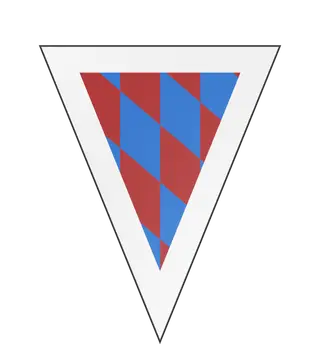
Durlainian