Knighthood in Lothen
Overview
Knights are the beating heart of Lothenian culture — living symbols of honor, martial prowess, and civilized order throughout the Forklands and beyond. Lothenian knighthood is considered the gold standard of chivalry in Vitallia.
Rank & Authority
Knights hold high social rank and real power, yet they are not nobles by birth.
They serve at the pleasure of a liege (King, Baron, or Knightly Order) and act as the armed extension of noble will.
Oath & Duty
A knight swears lifelong fealty to a higher lord or recognized Knightly Order.
Core duties: uphold their liege’s laws, fight in war, protect the weak, defend the realm.
Knighthood is never inherited — it is granted only through service and recognition.
Rare Free Knights exist: unbound by permanent fealty yet still officially recognized by the Crown under special royal warrant.
Banner & Sigil
A Knight of the Realm may raise a personal heraldry and fly their own banner.
This privilege allows them to:
Muster troops
Maintain a personal retinue
Lead men into battle
Act as agents of law and justice in their lord’s name
Knighting Others
Any recognized Knight of the Realm may dub new knights, but only with their liege’s permission.
Reckless or unauthorized knighting can result in dishonor, fines, or revocation of the knight’s own title.
Land & Holdings
Landed Knights: Granted estates or manors as reward for valor. They collect taxes, maintain defenses, and enforce law on behalf of their lord.
Landless Knights (Knights Errant): Must seek service with lords, orders, or worthy causes to survive.
Role in Warfare
Knights serve as elite officers and shock cavalry. They lead companies, champion their lord’s justice, and settle disputes through trial by combat.
Types of Knights
Type | Description |
|---|---|
Royal Knight | Sworn directly to the King or Queen; carries royal authority on missions. |
Baronial Knight | Sworn to a noble house; enforces its will in war and peacetime. |
Knight Errant | Independent, landless knight who wanders seeking glory or employment. |
Cavalier | Heavily armored horseman in knightly panoply, but lacks true knighthood status or command rights. |
Special Rights
Right to issue or accept formal duels in the presence of nobility or clergy.
Right to trial by combat — a knight may fight in their own defense or champion another.
Only knights, nobles, or warriors of proven high esteem may answer such challenges under Lothenian law.
Squires
Young warriors (usually noble-born or gifted commoners) chosen to serve and train under a knight.
Squireship is a coveted honor; acceptance by a famous knight can elevate an entire family’s standing.
May your blades stay sharp and your oaths unbroken.
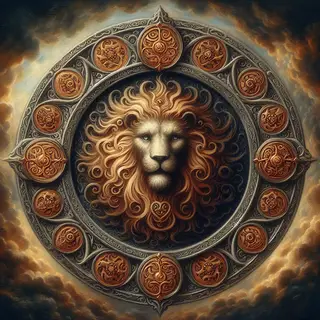
Teyn
Most powerful kingdom of the Forklands, home of Vheod Whiteshield and the Gods of the Final Light.