Scyltheld is currently a kingdom of religious fracture. The ancient Withic faith—the religion of the Great Migration—is being besieged by the creeping influence of Clerasy, creating a volatile divide between the ambitious south and the traditionalist north.
I. The Withic Faith
To the general populace, the gods are not distant icons but the legal and bloodline successors of the First Gods (Varangr and Auðmaer).
The Chosen Successors: Unlike the Orkfjarric people who follow Ættǫrr, the Scyltheldish believe that Teiws and Warld were the rightful heirs to lead humanity. Their faith is built on the legitimacy of this divine line.
The Migration Myth: The Withic gods are "Navigator Gods." It is believed they guided Arthod the Great across the sea to Poseia to escape religious persecution. To abandon them is, to many, a betrayal of the very voyage that founded the nation.
Teiws (God of Justice & Sovereignty) | Dagan, Barica, Hwen |
Warld (Goddess of Motherhood, Marriage and, Fertility) | Firguni, Datash, Noctia |
Bering, Gadaric, Bairgan, Waian |
II. Sacred Practice: The Gratsul and the Wicker
Withic worship is public, visceral, and centred on the community's survival through sacrifice.
The Gratsul (The Sacred Pillars)
In the heart of every Withic village stands a Gratsul. These massive, carved wooden or stone pillars act as the conduit between the earth and the High Guardians. Worship does not happen inside a building, but around these pillars, under the open sky.
The Great Sacrifice
Scyltheld remains the last bastion of Blood Offering in the race of man.
The Wicker Man: To appease Teiws or ensure a harvest from Dagan, the Scyltheldish construct massive wicker effigies. In a practice that horrifies the "civilised" worshippers of Clerasy, animals, worldly goods, and—most controversially—human offerings are placed inside and burned.
The Conversion Irony: In a grim twist of theological spite, some Withic traditionalists believe that those who have converted to Clerasy make the "most perfect" sacrifices, as they are "returning" lost souls to the true gods.
III. The Clerical Incursion
The Church of Clerasy is moving north, carried not by soldiers, but by merchants and ambitious lords.
The Southern Schism: In the south, the nobility is rapidly converting. For them, Clerasy is a diplomatic tongue; it opens trade gates in Reynesse and builds political bridges to Auresia.
The Reynessian Influence: Southern Scyltheld is beginning to trade the Gratsul for the Spire. They view the wicker man as "outdated" and "barbaric," preferring the refined, bloodless rituals of the Mother.
The Legacy of Arthod: The conflict mirrors the ancient rebellion against Arthod the Great. Just as Arthod tried to force a new divine order on Orkfjarr, the southern kings now try to force Clerasy on the northern moors, leading to a simmering civil resentment.
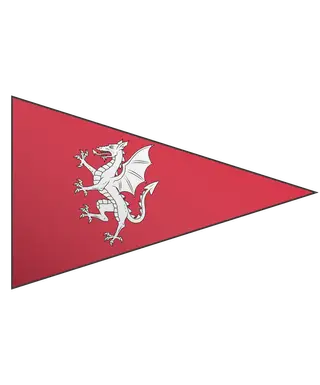
Alfred I
Scyltheldish
Wetterfjildic
Einarric