Check out: Languages of Ignisar
Common
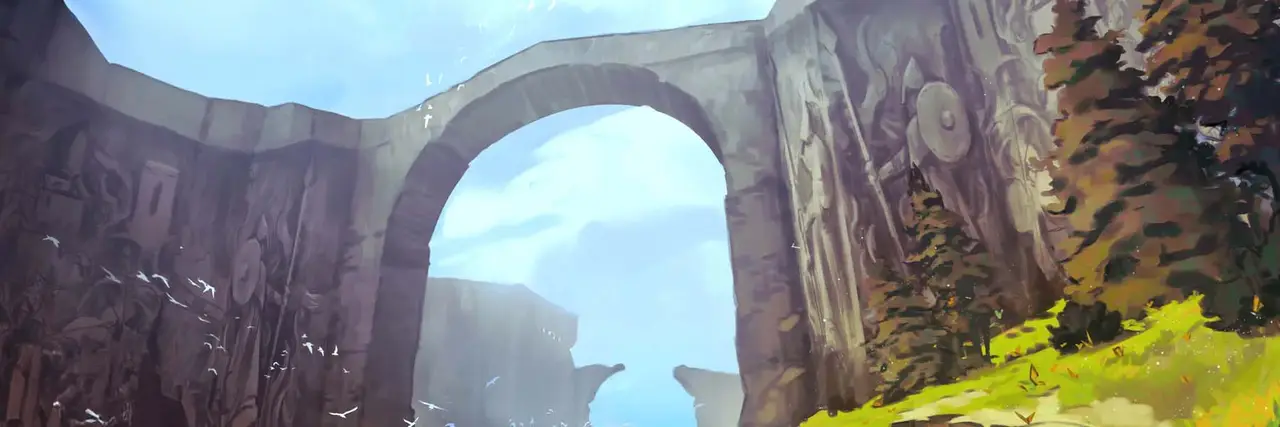
The Common tongue is the language of trade, travel, and diplomacy. Largely derived from the human language of Arnysh, it serves as the essential means of communication between the diverse races of the Sevenfold Commonwealth, The Kingdom of Concordia, and beyond. From the bustling streets of Concordia to the remote outposts of the Voidbreakers near the Bristlefur Highlands Common allows for a shared understanding in a world of many cultures.
Dwarven
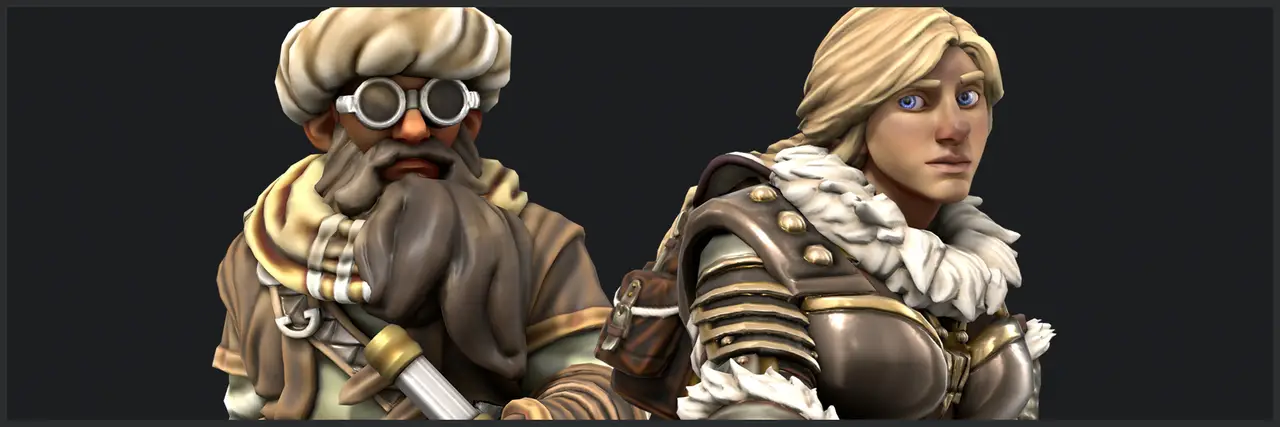
The language of the Dwarvenkind is as hardy and resonant as the mountains they call home. Spoken with a rhythmic, rolling cadence, it is a tongue built for echoing through great stone halls and forges. Those proficient with stone and metalwork often study this language. It is universally understood among all Dwarven sub-races, from the smiths of Borealreach to those in the desert mountains in Concordia, with only minor variations in accent to distinguish their specific strongholds.
Arnysh
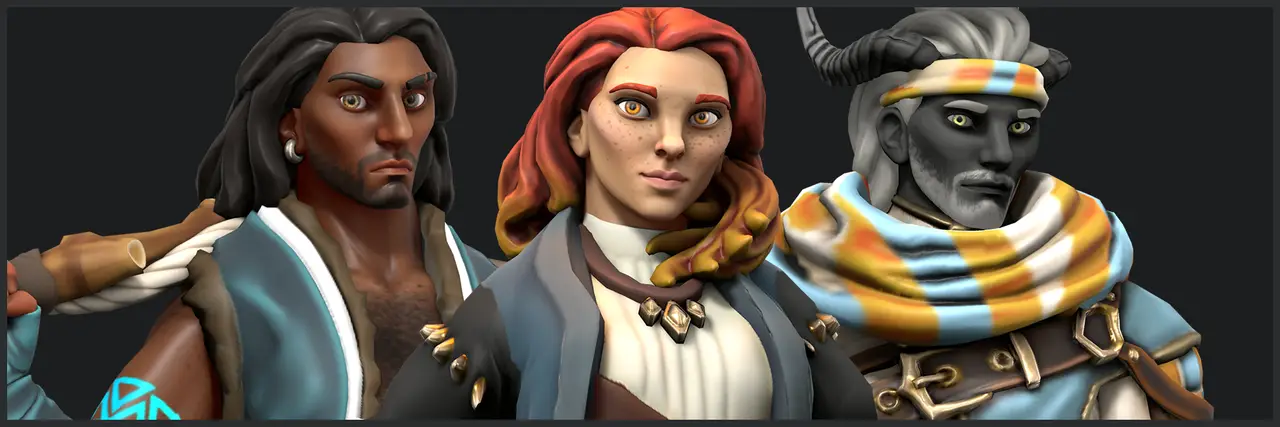
Spoken by humankind, Arnysh is the common language of the north-western lands. While its core structure is universal, the tongue is marked by a rich tapestry of regional accents. The melodic, philosophical cadence heard in Arnewynd's Endure is quite distinct from the tonal nuances of the distant Soarlands or the humans roaming in The Depths. These variations tell a story of human migration and settlement across Ignisar, reflecting on their respective histories.
Draconic
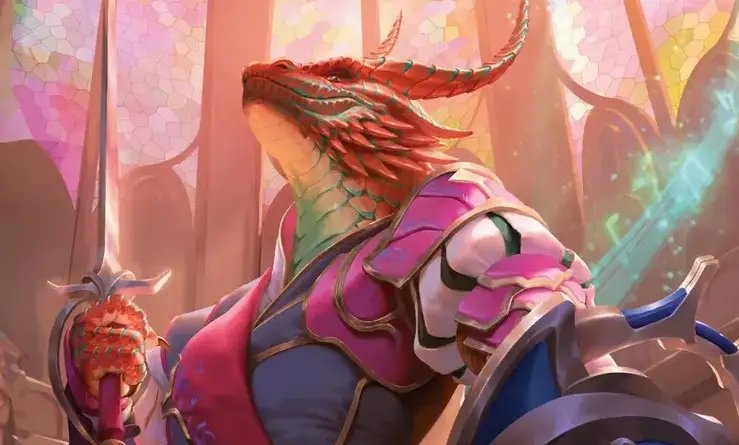
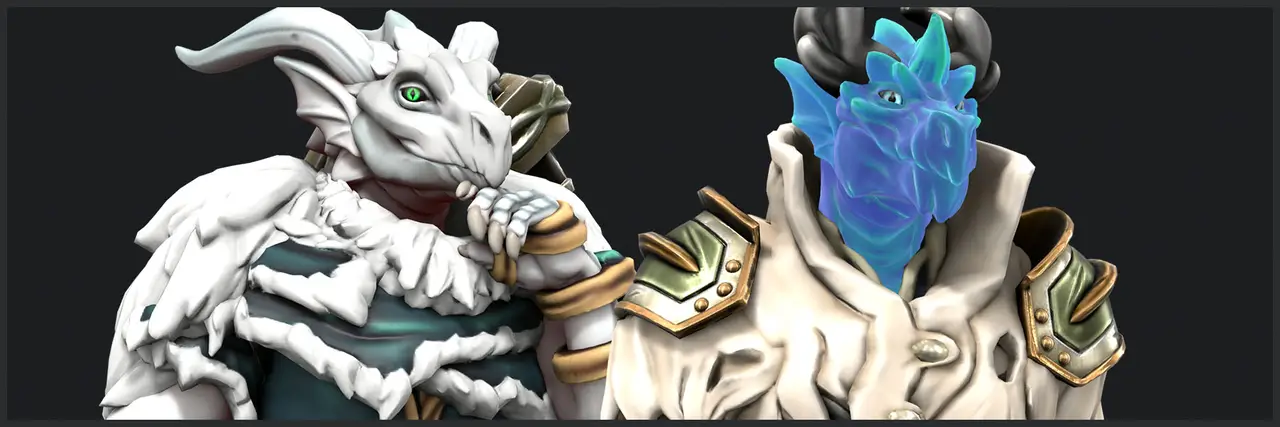
A language of power and history, Draconic is spoken by all Dragonfolk, from the enigmatic Kaleidosian of the Archipelago to the diminutive but industrious kobolds. It is a complex language of harsh consonants and resonant vowels, often used in both commerce and arcane study. However, its script has a formal and structured nature which makes it well-suited for the intricate contracts and legal matters.
Luminary
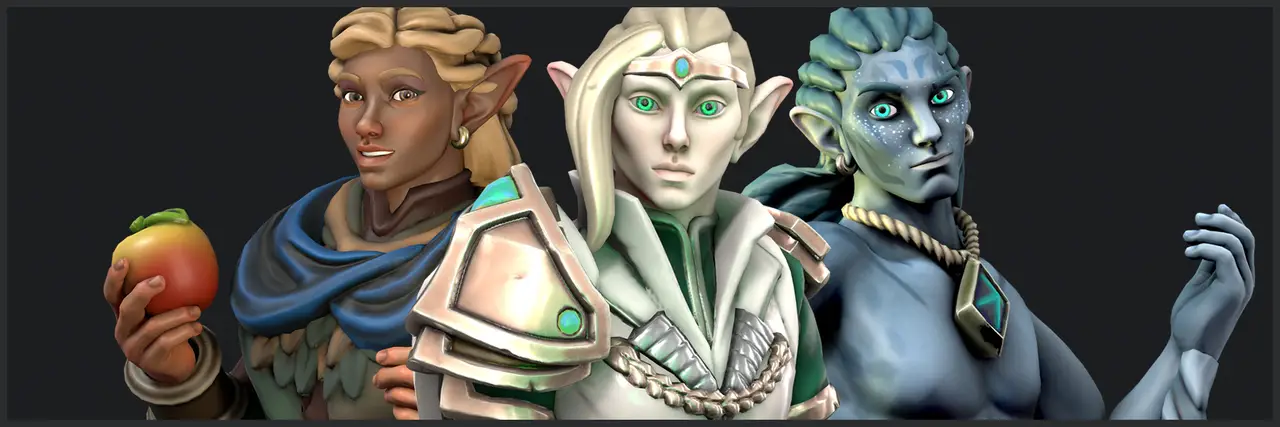
Elegant and flowing, the Luminary tongue is the language of a people said to have emerged from the Realm of Dreams. It is a language of both art and diplomacy, spoken with grace. Its script is as intricate as its spoken form and is also used by the inhabitants of the Ethereal Dreamlands. The words often carry a musical cadence. Ancient texts in Luminary are prized not only for their wisdom but also for their sheer beauty as works of calligraphy.
Pouchies
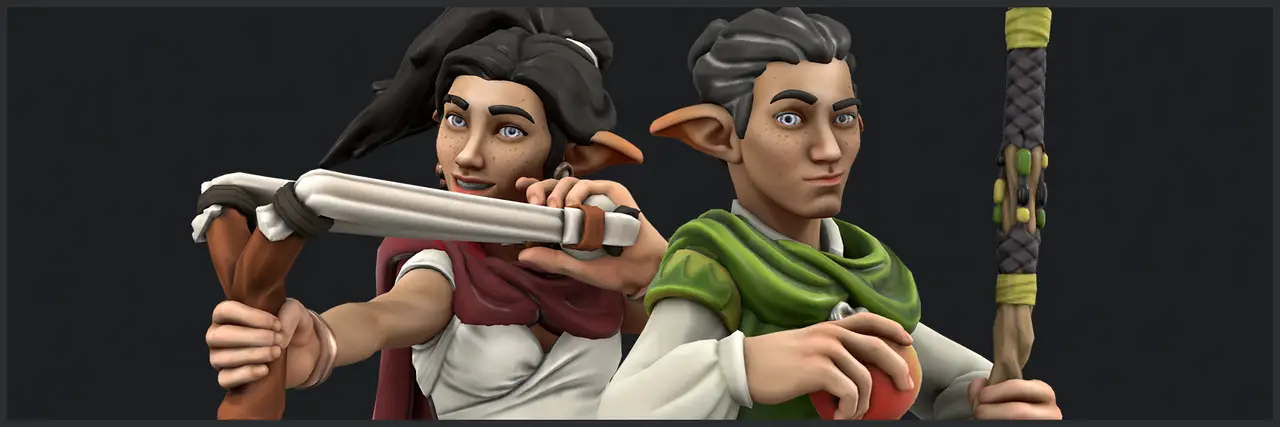
The language of the Pouchfoots is lyrical and earthy, full of whimsical expressions and a close connection to the natural world. It is a tongue that reflects their curious and often mischievous nature. Heard in the quiet villages around Howlstead, the Pouchies language is as charming and spirited as its speakers. Scholars note faint echoes of Luminary in its roots, suggesting that Pouchies may have splintered from that older tongue long ago.
Horde
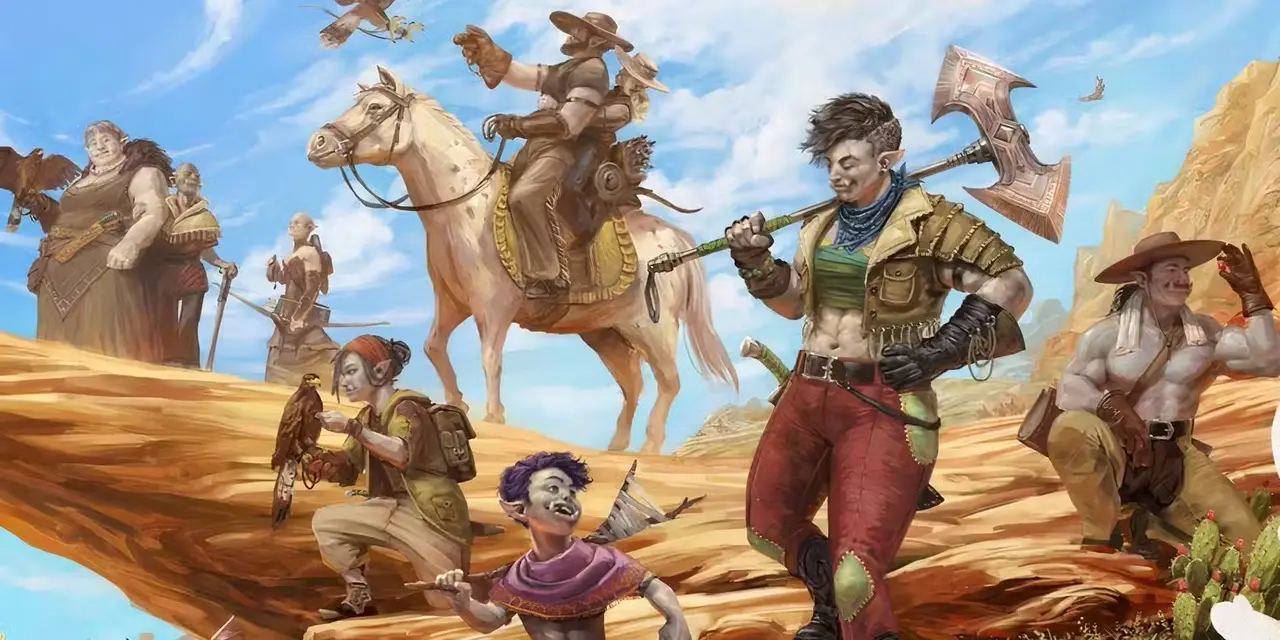
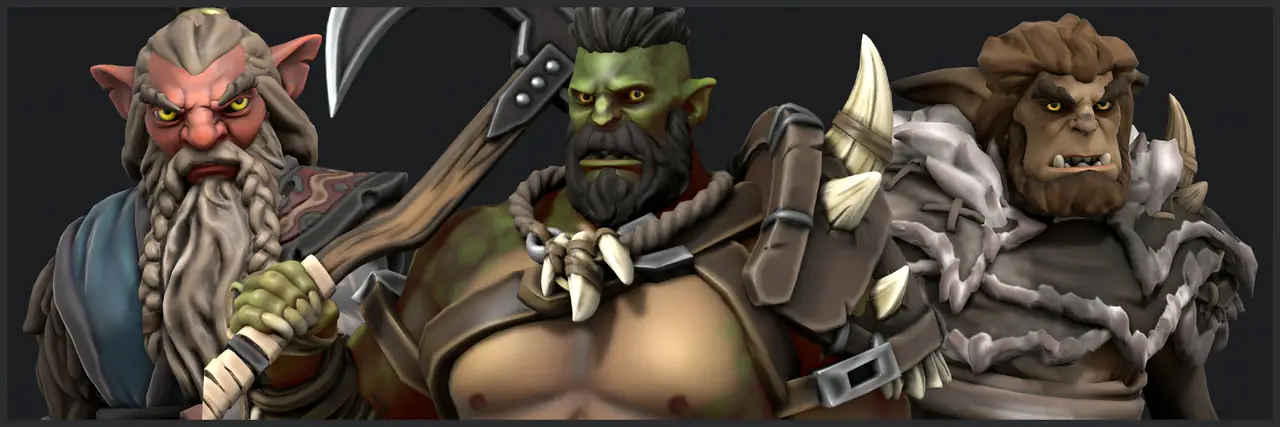
An ancient and percussive language, Horde is spoken by the Hordelings who emerged from the Ethereal Veil. Linguistic experts consider Horde similar to Luminary yet more rugged. Its sharp, guttural sounds reflect a fierce warrior culture,
It is a tongue forged in battle and survival, spoken by proud warriors. Many words hold layered meanings that shift depending on tone, making it as dangerous in diplomacy as it is in combat.
Theran
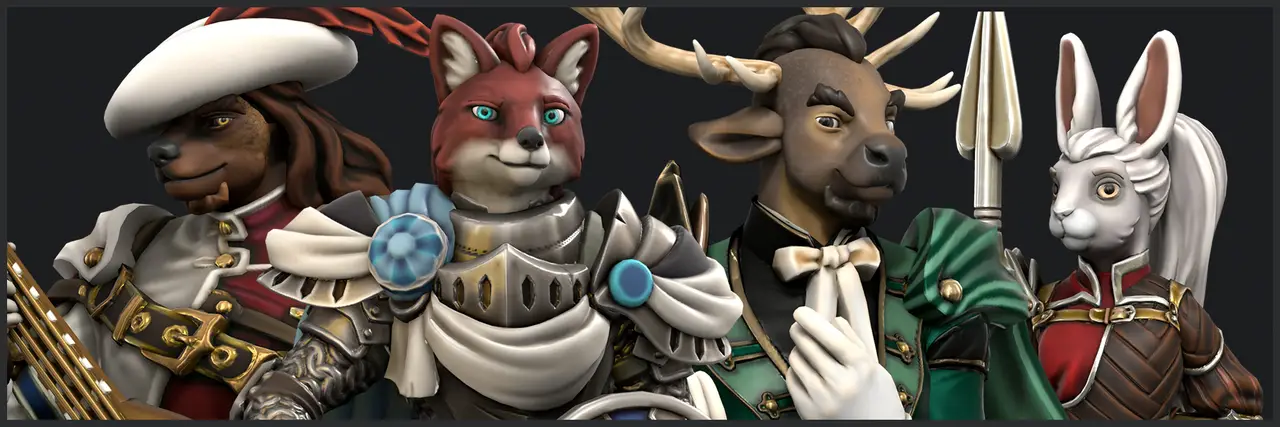
Born after the Therianthropic Convergence, Theran is the default language of most Beastfolk who now form a collective majority on Ignisar. It is a unique melting pot of a language, with elements drawn from human Arnysh, old Dwarven, the Horde tongue, and even the lyrical speech of the Pouchfoots. Though most Theran sub-races have their own distinct accents, the language remains strangely universal, a linguistic testament to the shared history that binds them.
Undercommon
A pragmatic and guttural language, Undercommon is spoken by the inhabitants of The Depths. It is a tongue adapted for life in darkness, where communication must be clear and direct. Through the generations, Undercommon adapted to a mixture of many different cultures. Its sounds are often clipped and harsh, designed to echo through subterranean caverns and tunnels, carrying warnings or information over long distances without ambiguity.
Primal: An ancient tongue spoken by the druids and other beings deeply connected to the wilds of Ignisar. Primal is less a language of constructed words and more a collection of guttural sounds that echo the forces of nature—the rumble of stone, the rush of wind, the crackle of fire. It is a language of instinct and raw power, often heard in hushed tones in sacred groves or atop windswept peaks.
Ancient: The origins of the Ancient tongue is entirely lost to time, and its speakers are unknown. Its script is a cryptic code that defies even magical comprehension; spells like Comprehend Languages are useless against its secrets. This has led scholars to speculate that it is the language of a forgotten race or perhaps a powerful force that existed before the current age, its messages now locked away from the world.
Abyssal/Infernal: The combined tongue of demons and devils is a harsh, corrupting language that sounds like grinding stone and tearing flesh. It is a language of pure malice, spoken by fiendish beings born from the eternal struggle against the light. To even hear it spoken is to feel the chilling influence of the lower planes.
Celestial: The language of the celestials is a resonant and pure tongue, sounding like a divine chorus of bells and chimes. As the language of beings born from light, its very utterance is said to carry an aura of hope and order. It is a language of creation and possibility, rarely heard in the mortal realm but ever-present in the upper planes.
Elemental: Elemental is not a single language but a family of four distinct dialects spoken by the primal forces of Ignisar. Auran is the whisper of the wind, Ignan is the crackle of fire, Terran is the rumble of the earth, and Aquan is the flow of water. These tongues are spoken by elementals and other beings intrinsically tied to the natural world, their words mirroring the raw power they command.
Dreamer: Spoken by the inhabitants of the Realm of Dreams, such as Dream'ers and Nightmare'rs, this language is as fluid and shifting as a dream itself. It shares a script with the Luminary tongue, hinting at a deep connection between the two peoples. The language can be beautiful and melodic one moment, then chaotic and nonsensical the next, its meaning often dependent on the emotional state of the speaker and the dreamer.
Thieves' Cant Not so much a true language as a cryptic collection of slang, signs, and coded phrases, Thieves' Cant is the secret speech of the criminal underworld. It is used in the back alleys of cities toconvey information without alerting outsiders. To the uninitiated, it sounds like meaningless chatter, but for those in the know, it is the language of secrets, deals, and survival.