On Ignisar, faith has taken on a different form, it is based around 'concepts'.
Long ago, the lands of Ignisar felt the gentle touch of the divine in a time when the creators of Ignisar lived alongside mortals. While their voices may now be silent, their influence endures, manifesting as concepts, virtues and ideals that guide the destiny of this new world. Faith in these beings persists with steadfast dedication, yet their influence is now understood through these abstract ideals, which serve as the silent orchestrators of fate.
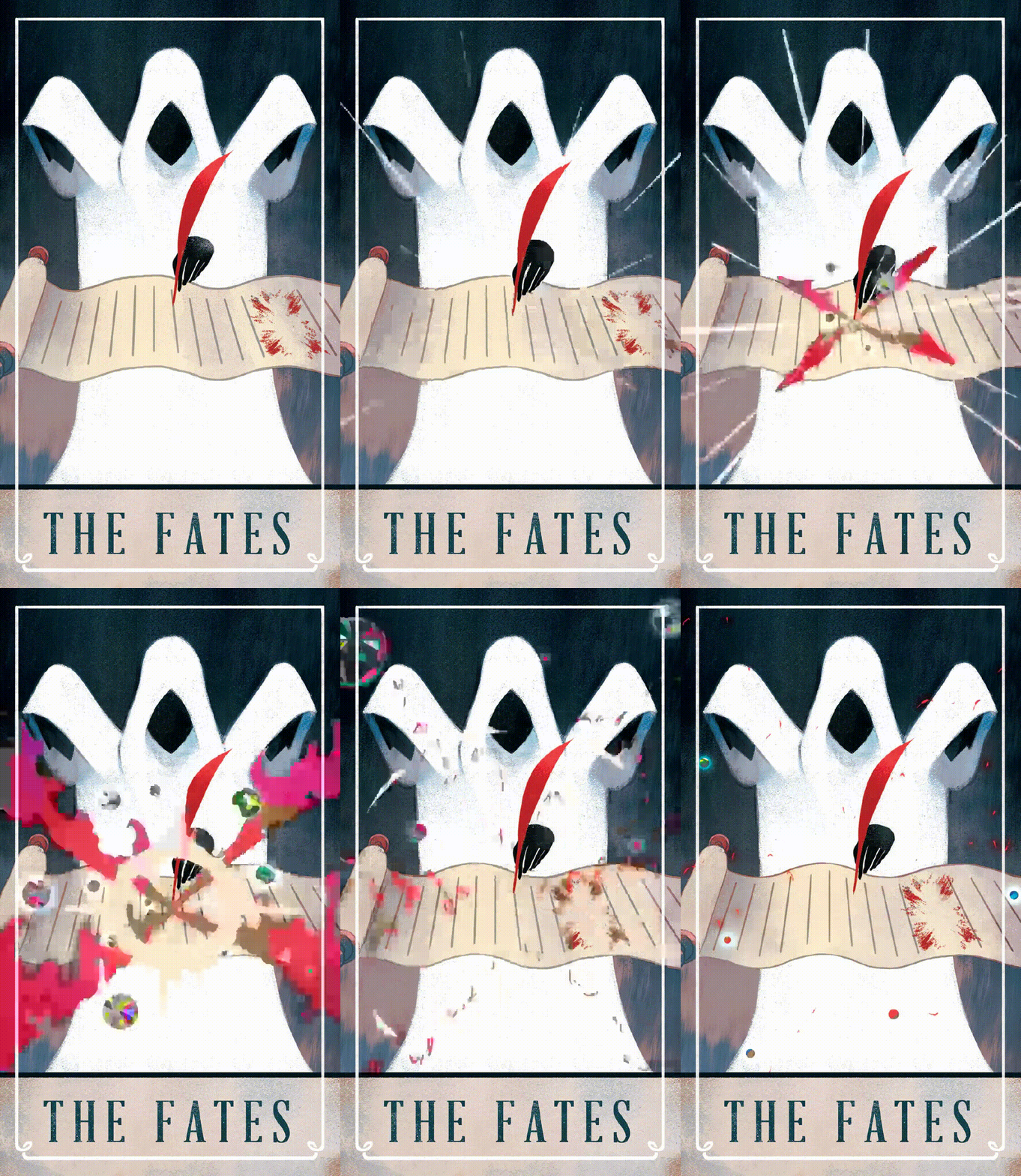
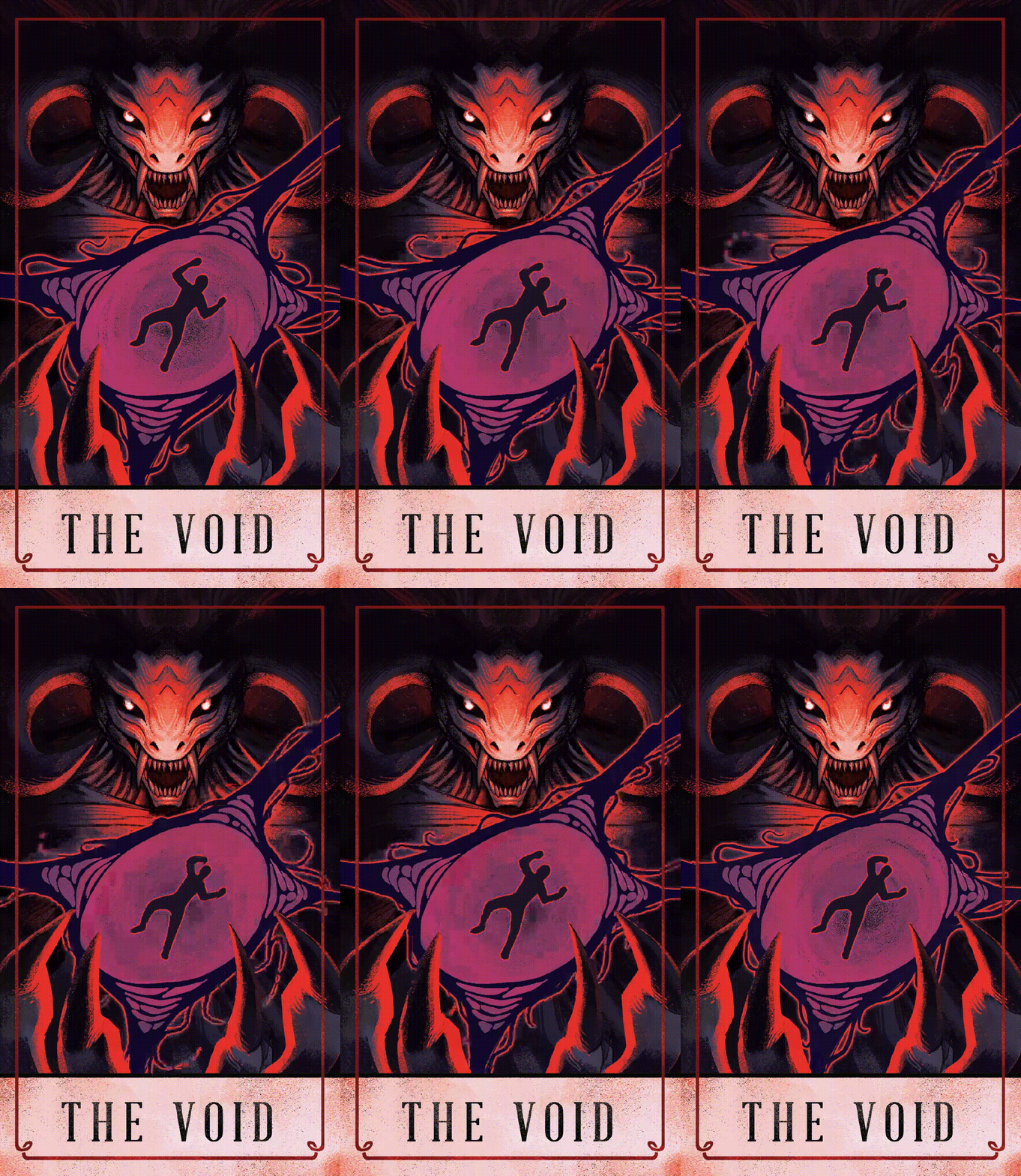
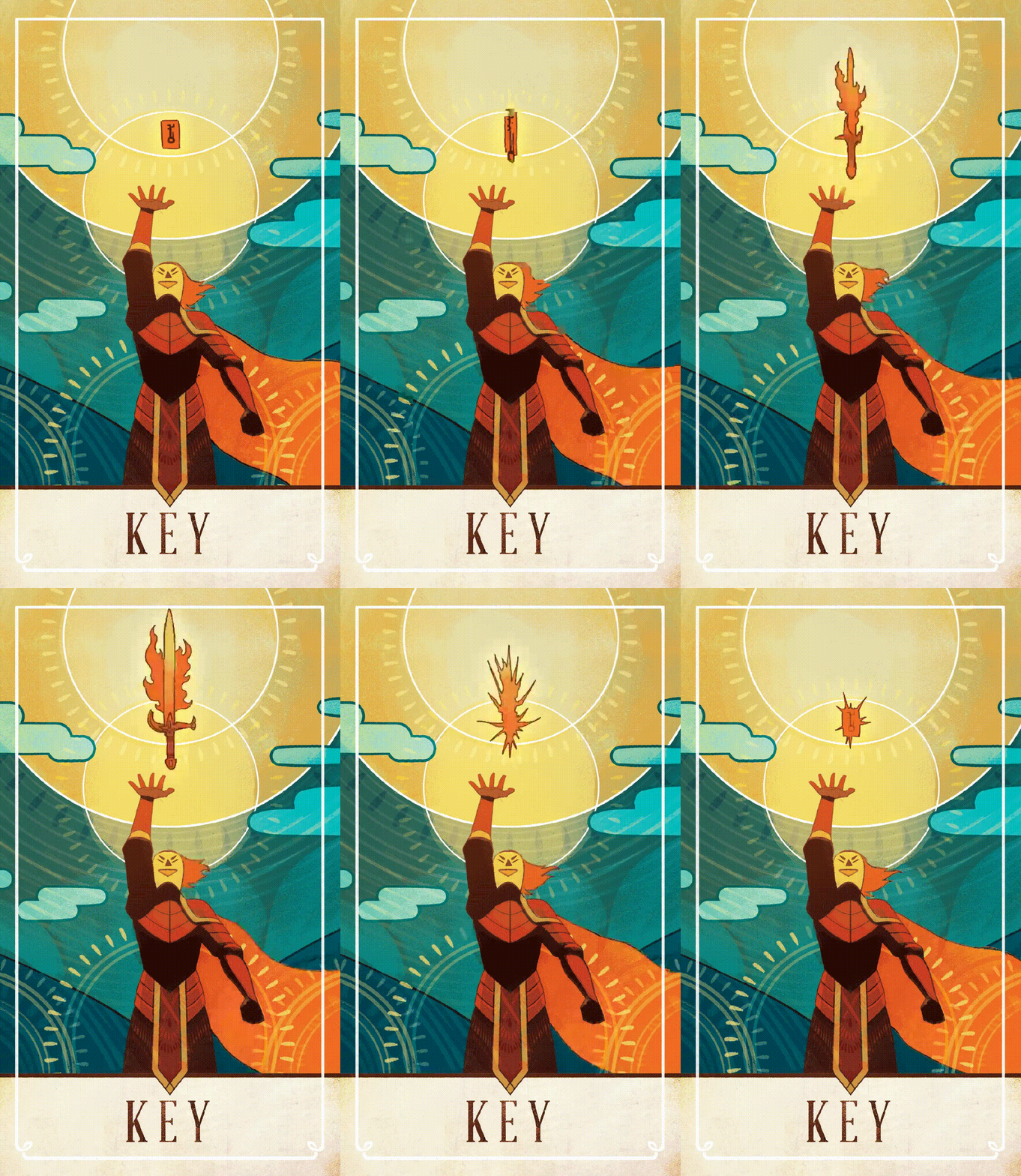
One of those concepts is The Sun. A herald of triumph, infuses Ignisar with vital energy and is seen as the ultimate warden against The Void. It is a symbol of life's achievements, shining upon those destined for greatness like kings and queens. In some tales, it is personified as a radiant, protective feline named Radiant Solaris. Another example is The Moon: A subtle echo of the Sun, unravels dreams to reveal concealed truths and illuminates the realm of possibilities. Some tales told describe The Moon as Solaris' mirror, allowing Solaris to watch over the world even at night while the darkness at bay. Another one is: The Void which casts a perpetual shadow, an unfathomable nihility that reminds all of life's impermanence. As the force opposing creation, its instinct is to devour all that exists, its influence gives rise to The Void Echoes corruptive beings that feed on despair.
The Idols of Ignisar are extraordinary beings who rise beyond the ordinary, and become living embodiments of these Concepts. They are not gods in the strict sense, but figures whose legendary deeds or profound connection with the arcane forces of the realm that allow them to resonate deeply across many different cultures. Mortals who reach this state are revered alongside those born of myth.
However, the source of their gifts remains debated. Some faithful insist Idols bestow power directly, pointing to relics like Harmonia’s symbols that darken when empathy is forsaken. Others believe faith itself is the vessel, that pure conviction in an Idol and their Concept(s) is enough to awaken new power.
A prevailing scholarly view suggests another path: that Idols serve as focal points, magnifying the conviction of the individual through the faith of the many, turning inner will into tangible, arcane strength.
Learn more about Idols
The Therianthropic Convergence lead to a world-altering event that changed everything. During the 0 ATC | Beastial Chaos, many human, dwarven, dragonfolk and luminary idols lost their status, influence and powers as faith dwindled during this terrible century of bloodshed that occurred afterwards. Yet new Idols rose up, now filled that role. The belief and hope they instilled in the heart's of others gave rise to new powers. The diplomat Scalebearer Allura and the warrior Fenrir Wrymslayer are revered for embodying the virtues of peace and strength, respectively. However, this new form of worship is not universal; Wolffolk tend to reject idol worship in favor of collective ideals, while Deerfolk celebrate mortal heroes.
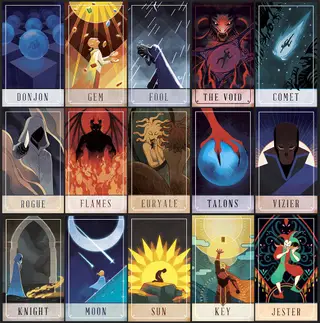
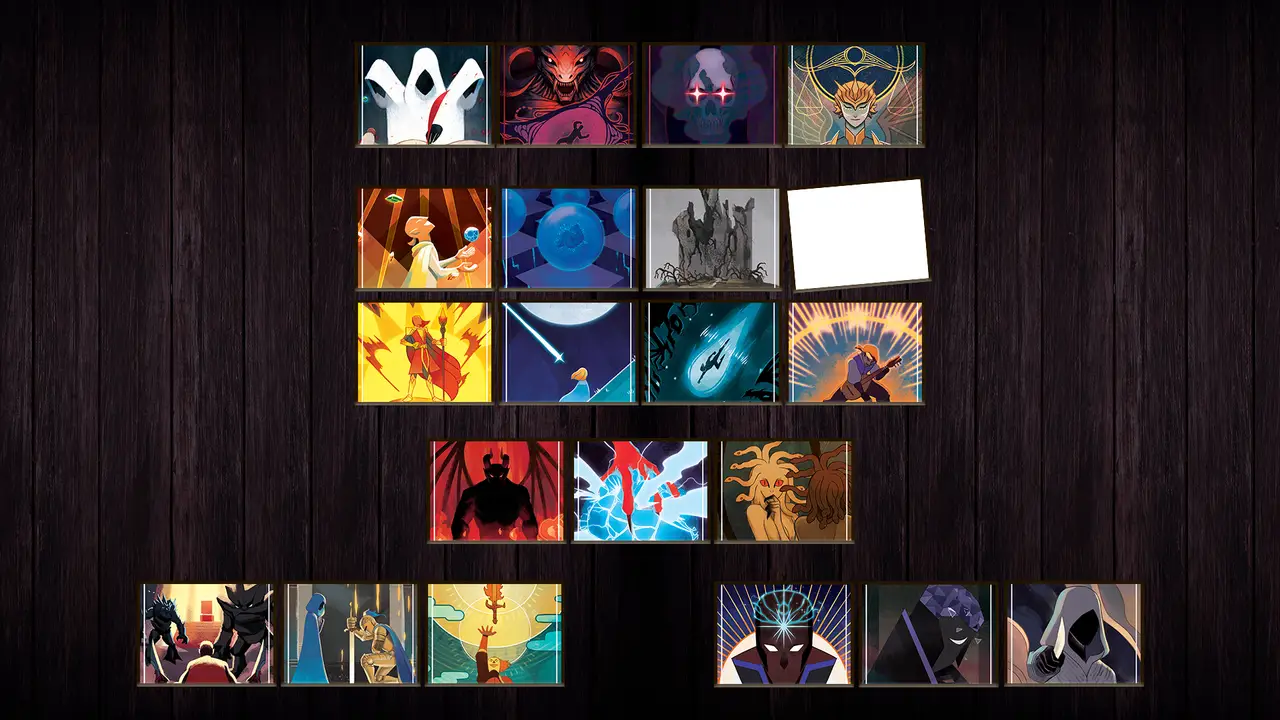
This atypical pantheon can be divided into five categories, each with their own idols.
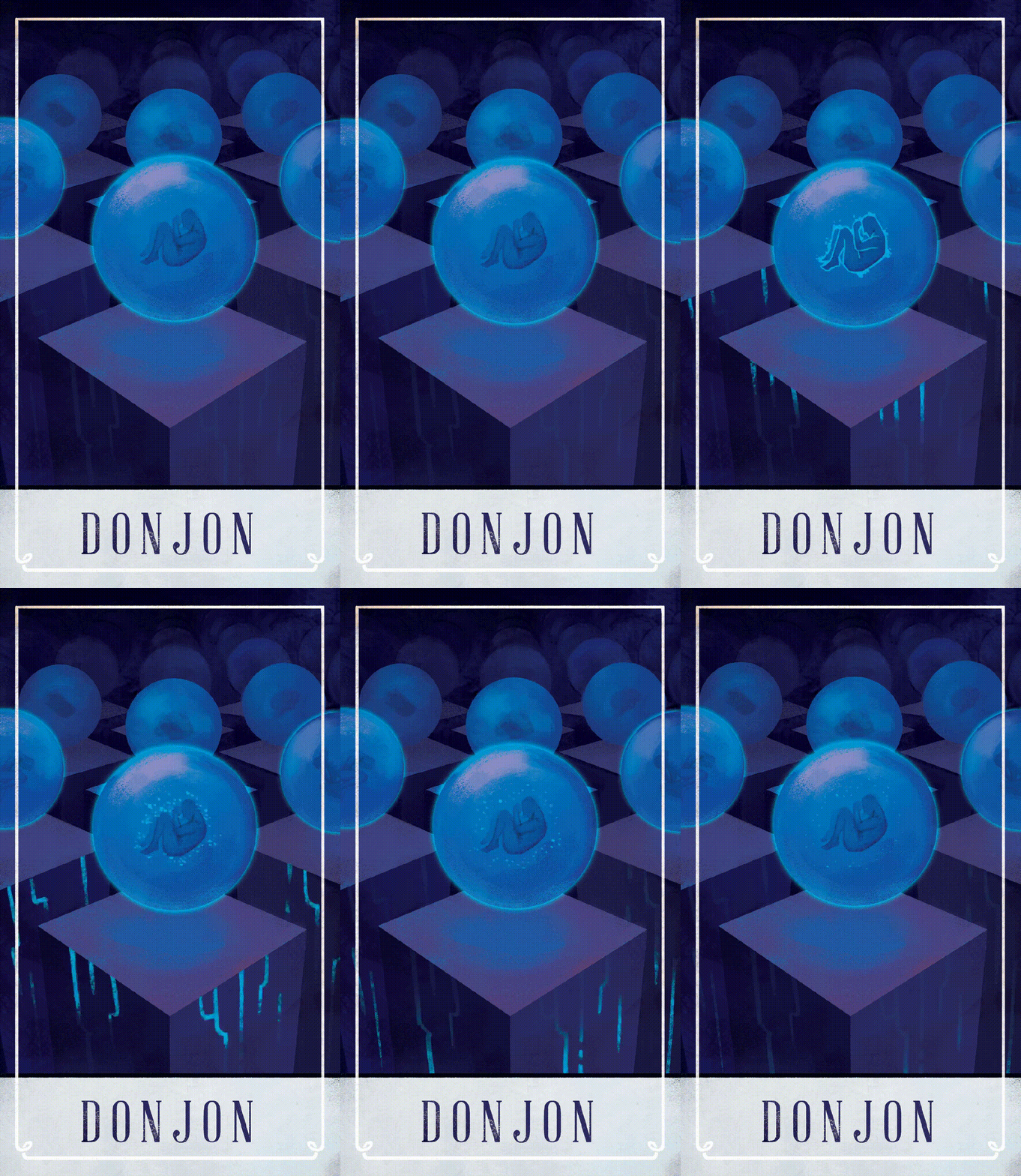
Ancient Concepts: Divine powers that all know that exist, although it would be impossible to give them a name or a face, they are more an idea than an tangible force.
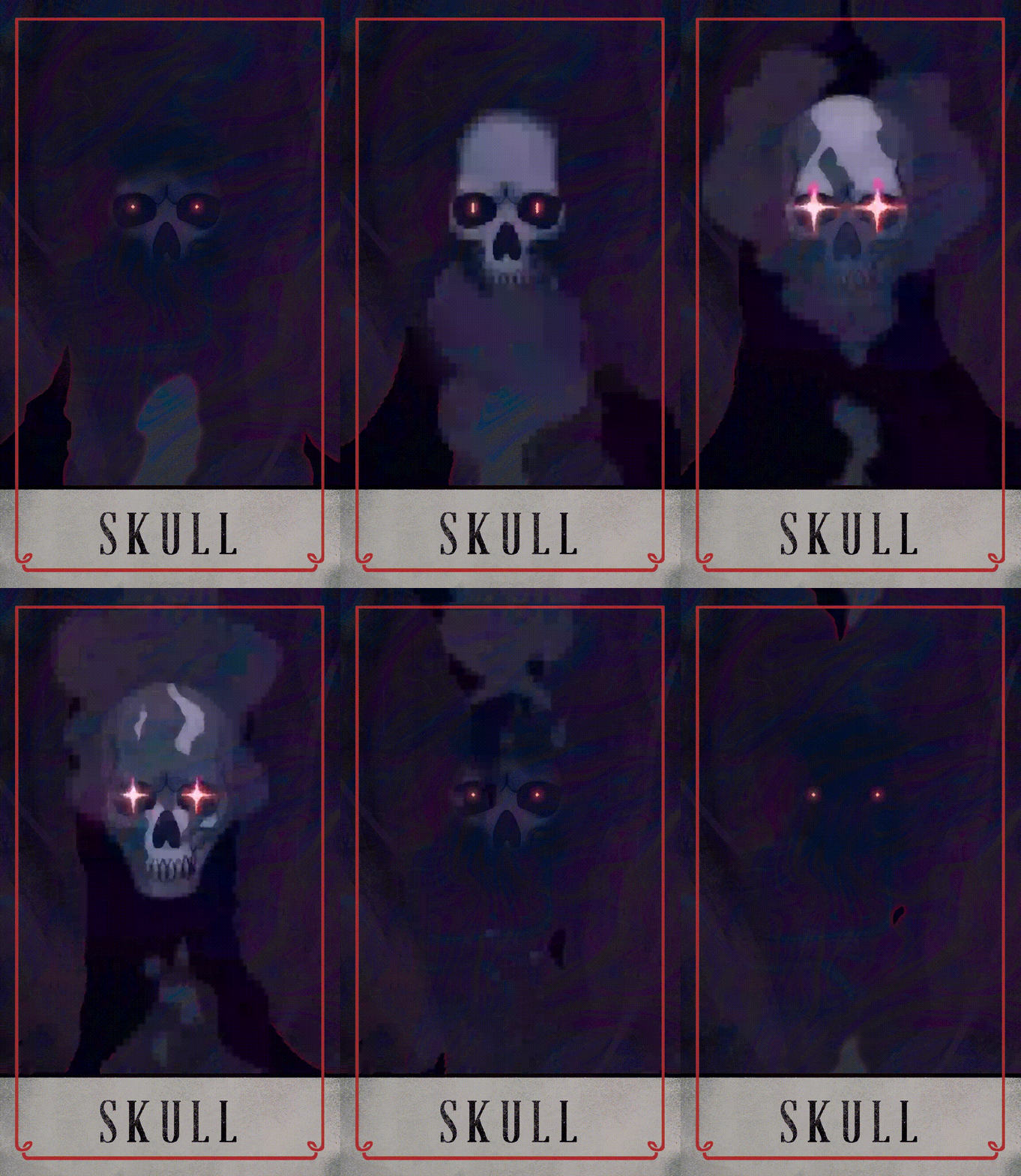
Incomprehensibles: Considered to be out of reach for anyone. They are less like Concepts and more like desires and feelings that every soul carries within themselves.
Celestial Forces: Also known as the "Forces of the Cosmos," these are the most commonly understood, followed and relatable concepts.
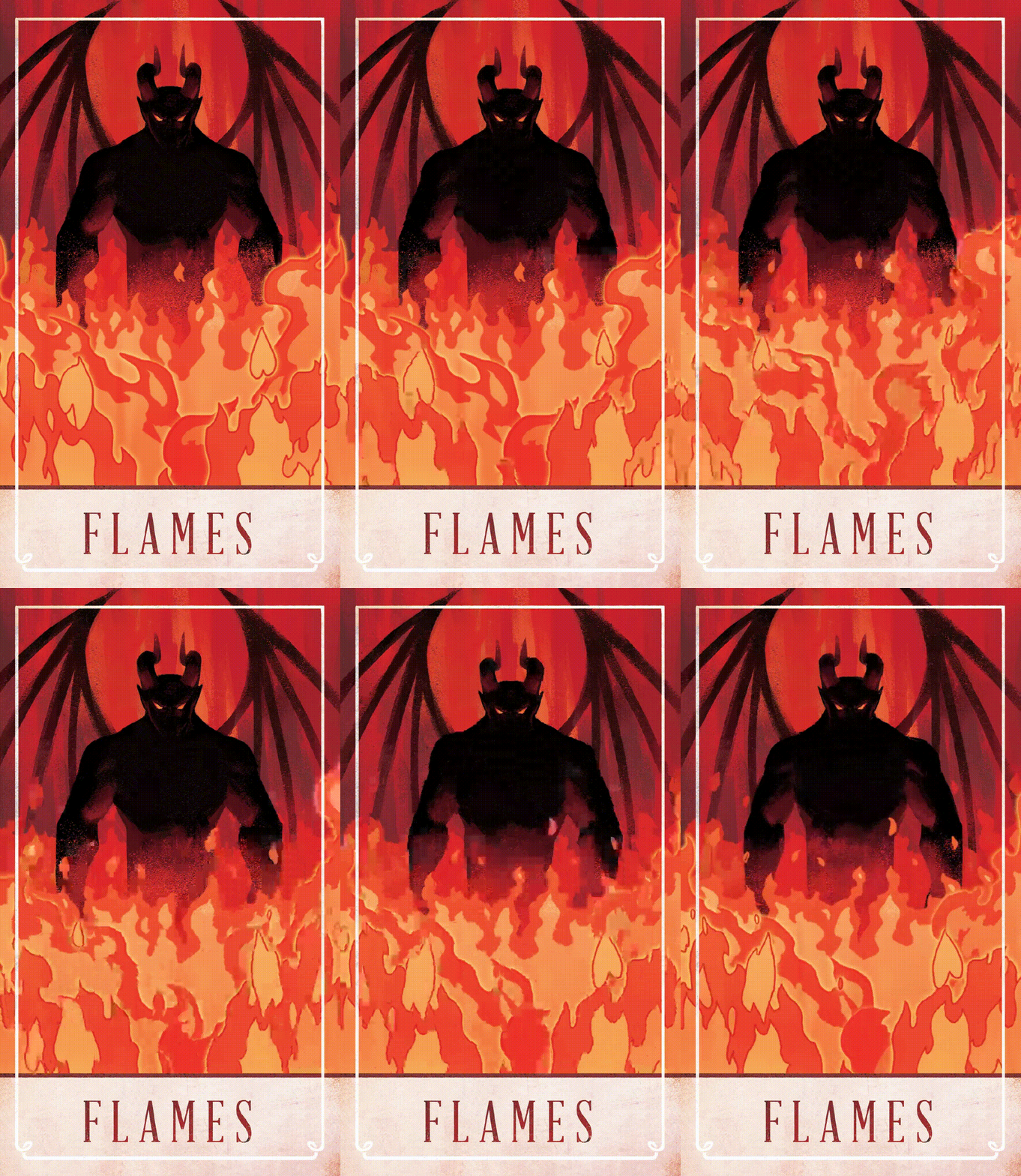
Fiendish Forces: Dark and corrupting Influences. They are easy to comprehend but often lure mortals into making choices they may come to regret.
Aspects: Reflections of mortal's multifaceted nature, embodying the intricate balance between valor, authority, and cunning.