“The name Brocton comes from the Old Scyltheldish Broc-tun, meaning “settlement by the brook.” However, locals say it truly refers to Broca, an ancient word for “bog spirit” or “breaker,” said to drag the lost into the marsh. In older tales, Brocton was founded on land “won from the moor” — though the moor has never ceased trying to reclaim it.”
At A Glance
Classification: Village
Region: Central Scyltheld, on the edge of the Mistag Moras
Allegiance: Scyltheld
Government: Feudal
Leader(s): Eadric Aelfred
Culture and Commerce
Religions: Old Scyltheldish paganism (ancestor and spirit worship)
Small temple to Clērātas and maintained by a wandering priestGuilds: None formally; trades are communal and seasonal
Imports: Salt, iron nails, cloth, candles, wine (rare)
Exports: Peat bricks, rushlights, smoked fish, bog-iron, woven reed mats
Major Organizations: The Night Watchers: a loose band of woodsmen and lantern-bearers who patrol the edges of the Mistag Moras.
The Fenwives: secretive herbalists and midwives said to “speak with the mist.”
The Eadric's Guard: a handful of militiamen loyal to Aelfred
Demographics
Population: c. 270
Majority: Scyltheldish
Minority: Cathringian settlers, mostly traders and tanners
Enclave: None permanent, though wandering peat-cutters camp seasonally
Groups: Fisher clans, bog-iron smiths, ferrymen, and reed-gatherers
Description
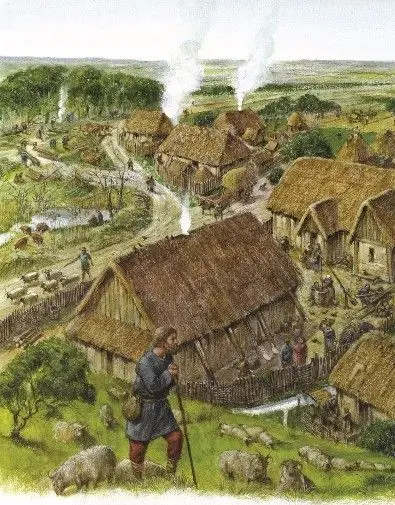
Brocton lies half-drowned in the fog, its timber cottages leaning over slick, reed-choked canals that thread the edge of the Mistag Moras. Lanterns hang on long poles over the causeways to ward off the will-o’-the-wisps that haunt the fen at night. The smell of peat smoke and brine never leaves the air.
The villagers are quiet and suspicious of strangers, though not unkind; they simply know what walks when the mists rise. At the center stands a sagging stone church, its bell long since fallen silent. Beyond it lie the barrows of the Old Kings of the Moor — said to stir on moonless nights when the Horseman rides again.
Noteworthy Locations
A
B
C
Primary Features
Text goes here.
Text goes here.
Text goes here.
Text goes here.
Text goes here.
Text goes here.
People of Interest
Cultural Digest
Text goes here.
Text goes here.
Text goes here.
History
Historical text goes here.
Additional Information
Feudal
270