Armoria & Armorgrand
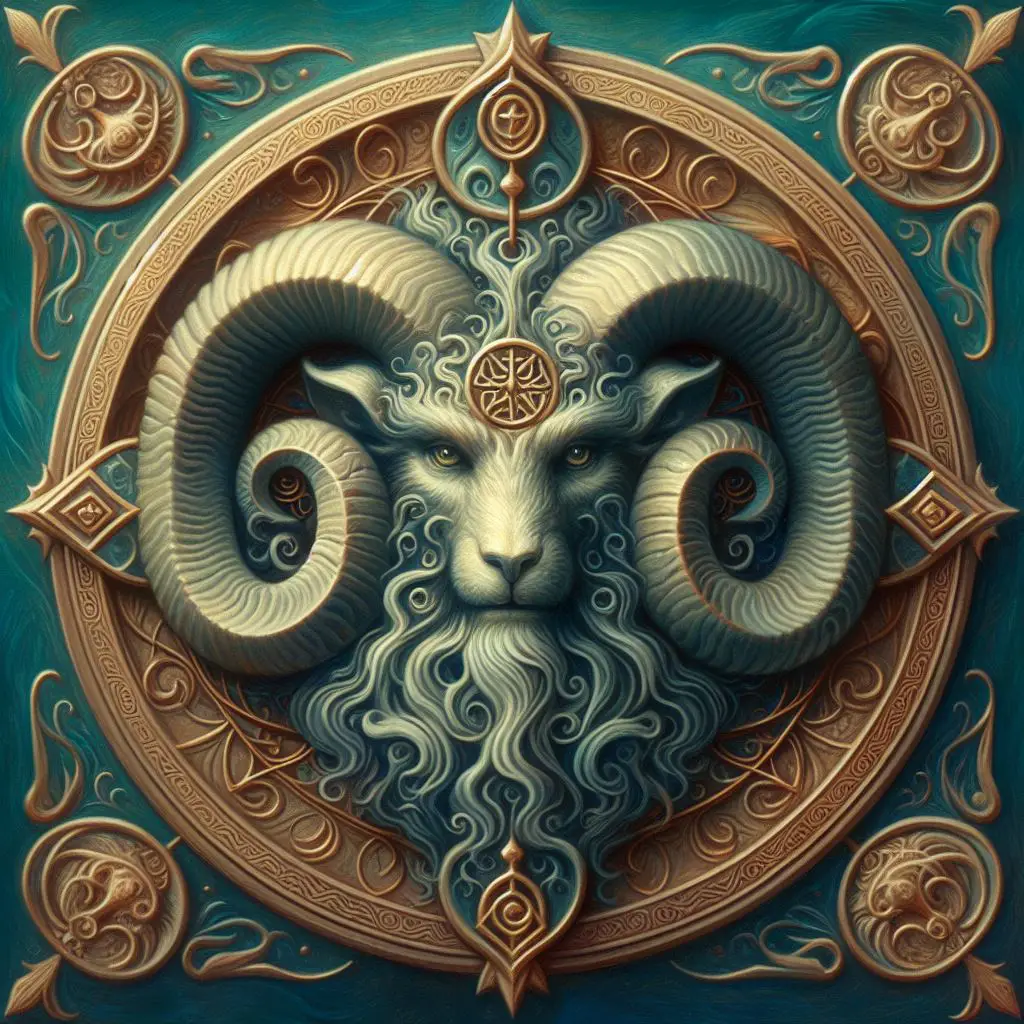
The first volume of a treatise penned by the scholar of the court, Timolus Zenil for Baron Arkarian’s erudition on the might and menace of this land. Information is collected and examined from various sources and through interrogations of brut prisoners as well as interviews with unaligned Brutgors of Lothen and abroad.
On the map, Armoria and Armorgrand are the same but that’s a misunderstanding of mapmakers all over Vitallia and shows how little the world knows about Brutgors. A further confusion exists because the mountain range that dominates Armoria is also called Armorgrand. Armoria is divided in six regions ruled by Brutgor tribes and each such region is both a geographic and a cultural division. There is a further, informal grouping of tribes, the two Salt Tribes that border the sea and the four Volcanic Tribes that do not. A third group, the Nomad Tribes includes the non-armorian tribes.
Kar-Gul, the legendary conqueror of Armoria, had taken the title of king for himself and after his conquest, the Brutgor were united but after Kar-Gul’s death they fragmented. Over the years, some high chiefs would adopt the title of king and attempt to unite the tribes but no such attempt ever succeeded. Dela-Kar is the latest such king and he’s managed to unite roughly half of the tribes into the kingdom of Armorgrand but he’s very far from the vision of a truly united Armoria.
Apart from the Tribes, there also are the Hordes. The Hordes are in essence the tribal armies but they also are raiding forces that can travel through any tribal region so as to cross Armoria’s border and raid neighbouring countries for plunder and slaves. Every adult male that can fight belongs to his tribe’s horde by default. Women may also be accepted if they are combat-worthy, aren’t pregnant and do not care for children. Every horde has a warlord and a stronghold where the warlord and the senior chiefs gather to confer and perform ceremonies. A horde is rarely gathered in one place at any one time - only in times of war as was the case with Istario’s and Norionor’s wars or when the entire horde gathers to raid - a very rare thing. Each horde’s warriors come together in smaller warbands of 100 to 500 warriors once per two years or so to raid neighbouring realms - meaning Lothen, the Rose and Orkandus. The end result is that Lothen is perpetually under attack from one horde or another.
Culture & Geography
No brut can change tribe or horde - he belongs to the one he’s born into for the rest of his life, even if he leaves Armoria. This tradition is so strong that a brut that’s born outside Armoria automatically belongs to his father’s tribe and horde even without a shaman’s ratification. One of Dela-Kar’s progressive ideas and sin in the eyes of the dissident armorian tribes is his proposed unity and free exchange of populations. The king made a cautious start of this idea by merging the hordes of the Stone Rams and the Cyclone Griffons. He has invited the Bone Wolves to join this merger and benefit from the higher populations of the Salt Clans but high chief Forda has balked so far to agree to such a radical proposal. Tarka has been meeting with Zambago to persuade him that unity is the best move for the future and when Zambago is convinced, Forda will likely accept the king’s proposal.
In each region there is a main tribal enclave and usually it’s the only permanent enclave. All bruts pass through this enclave year-round but it also has permanent residents, who are mostly old bruts and old slaves (both rare things,) families who have no warriors because all of them are dead (until other families adopt them) as well as pregnant women or those with young children, under five years old. The tribesmen are nomadic and they wander their home region in groups of 10 to 20 families for mutual support and defence as they hunt and forage in their wanderings. Brutgors can’t afford to stay in permanent settlements as there’s not enough food, so they live a semi-nomadic life. The main enclave is mainly for those who cannot or should not travel. All nomads pass through the main enclave to stay for a while, leave members or take them back and unload the beasts of burden of the goods they have gathered and processed (and haven’t used or traded) for the high chief to use. The main enclave has smithies and furnaces for smelting but such installations are also scattered around each tribal region for the nomads to use. Coal, iron ingots, gems, animal and monster furs and leathers and paints are the main goods that the bruts of Armoria trade to their neighbours and the ships (when they’re not raiding them.)
The things that Armoria has in abundance are fire, volcanic rocks such as basalt, volcanic glass (obsidian), coal, raw gemstones and iron ore. The bruts are expert smelters, smiths and gemcutters. They never burn wood and will laugh at the idea as they have coal in abundance and rivers or pools of lava at the volcanoes. Their dead are always cremated in lava or coal pyres. The bruts do not need to mine for ore, coal or minerals as they appear on the surface periodically through the natural mystical flows of Armoria. This is another reason for their nomadic lifestyle - to give time to a depleted area to replenish itself.
Life is brutal in Armoria and the dangers are many and so the population struggles to survive and multiply which are two of its main concerns. Brutgors will never prosper and Armoria cannot sustain more than the meagre population it now has. Death at a young age is a warrior’s fate whether it is in internal conflicts, when raiding outside Armoria or the rosian ships or when facing beasts, monsters and the horrors of the Dead Gods Lane. It’s a miracle that Brutgors manage to slowly increase their population at all and it’s owed to the shamans and the Sentinel’s favour and protection.
The slaves are kept for menial work that frees Brutgors for the important tasks of everyday life, such as training, hunting, crafting, killing monsters, raiding and deciding tribal matters. Some of the tasks assigned to slaves is cooking, minding the goat herds and gathering ores, minerals and coal. The slaves roam within one hour’s walk from the tribal camp with the herds and with sacks or baskets to gather coal, obsidian, raw gemstones and the iron ore they find on the ground. When bruts go with them, it’s not to supervise them but to guard them from monsters. Slaves do not need to be guarded because they know that whoever runs away is going to die quickly and brutally by some beast or slowly and agonizingly from dehydration or an accident. Only Brutgors can survive in the harsh environment of Armoria.
The Fang river is a major waterway and the only easy access that the Magocracy of the Rose has to the southern seas. Merchant ships regularly travel the Fang and have to face Brutgor pirates for the entire journey with Roga being the most dangerous region. All merchant ships have marines on board and are escorted by a troopship to repel boarders. The Fire Lions, Sun Eagles and the Giant horde put into the water with canoes and try to board the ships by getting alongside them and throwing hooks to climb on deck. More often than not they fail but sometimes they succeed, especially at the last leg of the journey when the marines are tired and depleted from fighting off the bruts higher up the river. The Rose has even tried to wrest Roga isle away from Armoria numerous times so as to protect its shipping but so far it hasn’t succeeded. When the bruts manage to board and plunder a ship’s holds, they also capture the ship and ransom it back to the Rose. They want the Rose to keep sending ships down the river so Delan-Kar forbids the wanton destruction of rosian ships. The Eagles and Lions have also adopted this practice. The Bone Wolves are the only ones who refrain from piracy on the Fang and the rosians even trade with them or pay them to haul their ships upriver.
The matter of the Fang river is an open question. The river shouldn’t be navigable or even exist at all. The mountains rise above it all along its course and either avalanches or lava waterfalls would have made its course chaotic and uneven and impossible for ships to sail. Is there some supernatural effect that protects it or does the mysterious rosian mages keep it safe and navigable with their magic? These are as of yet unanswered questions.
The Kingdom of Armorgrand
The Kingdom of Armorgrand is a realm seldom acknowledged as a true kingdom by the outside world. Its inhabitants—the Brutgors—are often labeled heathens, barbarians, or even beasts, due to their long and violent history. Yet the tribes who dwell around the volcanic lands of Armorgrand have earned their sovereignty through relentless struggle and bloodshed.
Campaigning in Armorgrand
Armorgrand is unlike any other place in Vitallia. The land is barren, hostile, and shaped by deadly natural phenomena. Travelers must possess immense strength, resilience, and specialized knowledge to endure the continent’s volcanic storms, shifting mountains, and monstrous inhabitants. Campaigns here emphasize survival, harsh conditions, and encounters with warlike tribes.
The People of Armorgrand
Armorgrand’s people are predominantly Brutgors, a giant-blooded race that conquered these lands after generations of war against actual giants. Though widely viewed as savages, Armorian tribes are deeply spiritual. Their survival depends on the wisdom of seers and shamans, who guide the tribes through dangers both physical and supernatural. This reliance has created a culture steeped in superstition, ritual, and reverence for spiritual leaders.
Useful Lore
Brutgors rely on raiding and looting to survive, as the land cannot sustain farms or shipbuilding.
Their culture is built around war, strength, and endurance.
Children are raised to be resilient and fearless, molded by constant danger.
Armorian society values dominance, survival ability, and martial prowess over all else.
The Dangers of Armorgrand
Armorgrand is one of the deadliest regions in the world:
Volcanic eruptions, ash storms, and earthquakes are frequent.
Massive beasts and remnants of the ancient giant population still roam the mountains.
Food and clean water are scarce.
Navigation is treacherous, requiring knowledge of hidden mountain paths and safe shelters.
Outsiders who do not understand the land’s dangers rarely survive long.
Armorian Customs
The King holds the highest formal rank, but Shamans are honored even above royalty.
Chieftains rule smaller settlements within the kingdom.
Wealth is accumulated through successful raids.
Magic is feared unless wielded by Armorian Shamans.
Military and hunting ranks are based on personal strength and deeds.
Exceptional warriors become Warlords, commanding their own Hordes with distinct sigils.
The dead are burned on pyres to ensure reincarnation.
Animals are treated with respect, believed to host the souls of reincarnated tribesmen.
Basic Information
Sigil: Ram Head
Location: Mainland
Founding Date: 36 AC
Capital: Kar-Goroth
Population: 40,000
Military: 10,000 (Mixed Infantry & Cavalry)
Official State Religion: The Sentinel
Official Language: Reyka
Leader: Dela-Kar
Government System: Monarchy
Power Structure: Autonomous Area
Economy System: Gift Economy
Native Race: Brutgor