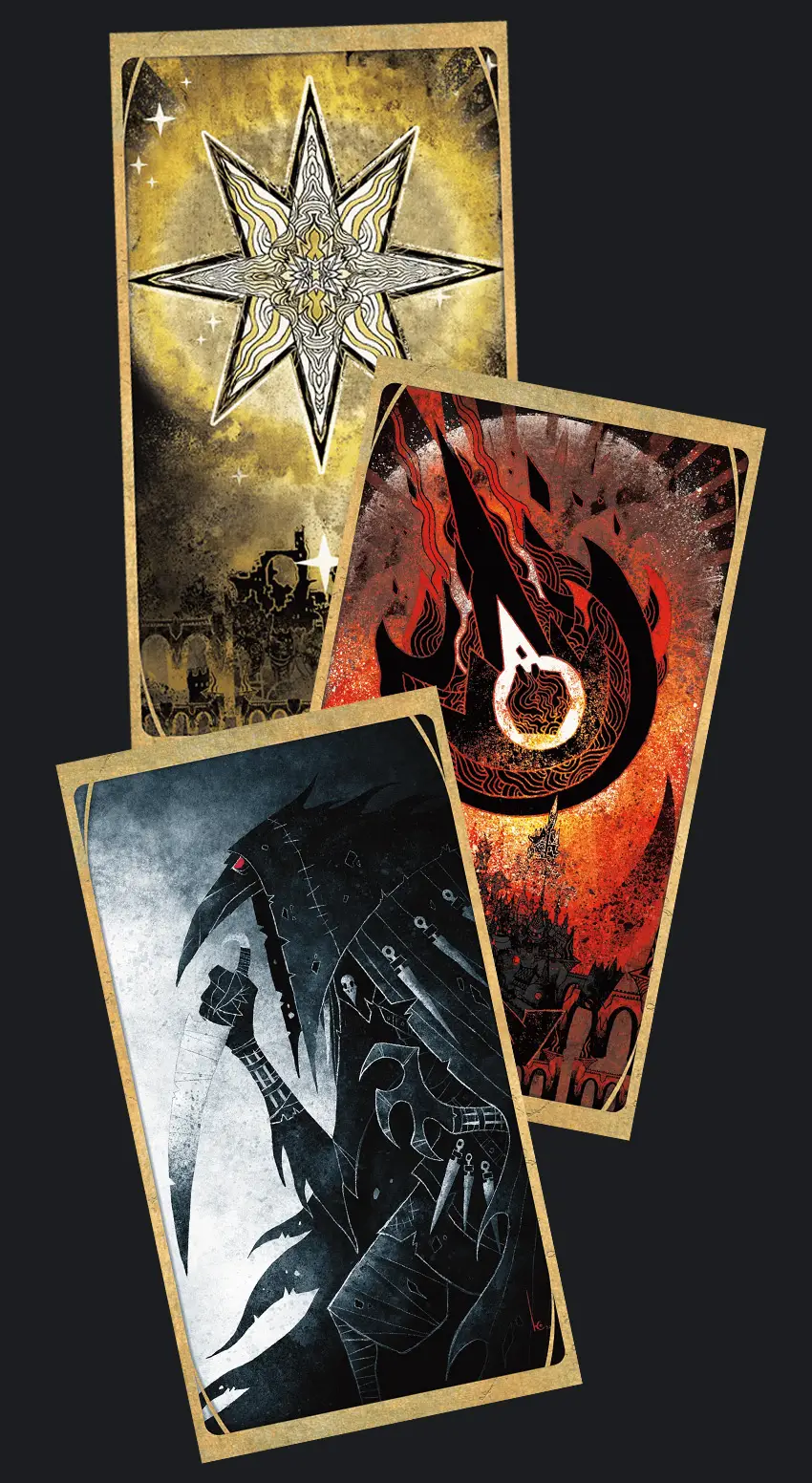
This page explains a few things about how classes are being treated in Ignisar.
Within the realm of Ignisar, magic users can have many names, many different races have different terms,
such as Arcanist, Aurafluent, Luminamaster or Breathshaper, yet the term "Caster" became of typical use.
Wizards
Wizards learn to control magic through study research and meditation. They notice the right hand-movement or the exact moment to breath in to use a particular type of magic. Their intelligence allows them to quickly pick up on techniques which takes other casters long to master.
Wizards use a spellbook, that spellbook is where they write down meditation exercises, precise hand-movements etc. etc. Wizard books are unique to one person, the use of "The Breath" is unique to each individual. Wizards can copy how to perform spells from others, as standard by the game's rules.
Bards
Bards learn to control magic through practice, their creative expression influences their use of "The Breath", allowing them to perform unusual effects. They use Charisma, Often simply referred to as "Bards"
Bards prepare music songs, poems, and other expressive artistry that reminds them of their use of the Breath.
Druids
Druids learn to control magic through tapping into "The Breath" that flows through nature. Listening to its whisper. They use Wisdom, Often simply referred to as Druid or Naturefluent.
How do Druids have prepared spells ready? That is up for the player to decide, however typically. During the night, they dream and commune with local nature, allowing them to change the prepared spells.
Clerics
Clerics are often dedicated to an Idol, Concept or Aspect, their faith in this higher force guides their mastery of "The Breath". Often simply referred to as Clerics or Breathshapers.
How do Clerics have prepared spells always ready? Clerics typically carry books or papers with rituals, a quick read allows them prepare these during the early morning.
Paladins
Paladins are often dedicated to an oath, typically in name of an Idol or a Concept. However that isn't a requirement, they can be dedicated to multiple idols or concepts as long as they align with the oath they have sworn. Their use of "The Breath" is influenced by it, allowing for unique effects. Often simply referred to as Paladins or Oathbound.
How do Paladins have prepared spells always ready? Paladins typically carry books or papers with rituals, a quick read allows them prepare these during the early morning.
Sorcerers
Sorcerers are unique in this setting, they carry a mark of a particular form of magic that flows through their bloodline. Sorcerers learn to control magic through visualization and their willpower, greatly influences by whatever power flows through their body. Clockwork sorcerers may have a unique way how they approach the breath, perhaps with ticking noises like a clock. While a Storm Sorcerer another roars and shouts like a vibrant summer downpour. The mark appears in 6 forms: Celestial, Fiend, Fey, Dragon, Elemental and Mystery.
Clockwork | Mystery |
Aberrant Mind | Mystery |
Divine Soul | Celestial or Fiend |
Draconic Bloodline | Dragon |
Lunar Sorcery | Celestial |
Shadow Magic | Fiend |
Storm Sorcery | Elemental |
Wild Magic | Any* |
Runechild | Any* |
Warlocks
Warlocks are also in a unique position in this setting, by default it isn't known that they have made a pact with another supernatural force, they are effectively treated as any of the other casters, often as bards of sorcerers, since the difference isn't visible. The concept of a "Warlock" isn't something that is often spoken about. They also carry a mark, yet it is different based on the specific patron.
Archfey | Fey |
Celestial | Celestial |
Fathomless | Elemental |
Fiend | Fiend |
Genie | Elemental |
Great Old One | Mystery |
Hexblade | Any* |
Undead | Any* |
Undying | Any* |
When a warlock loses their pact or patron, they don't lose access to their learnt spells.
But they do lose access to their subclass abilities. When the Warlock changes patron, they do entirely change subclass. Regardless of your current class, a patron of any kind might offer you a bargain. This can allow you to completely re-class to a warlock, or gain a Boon which can reflect a warlock patron's subclass ability.
Spellcasting
Although spells can be categorized in eight or more categories. Scholars, even before the Therianthrophic Convergences have agreed to simplify the categorization into
White, Grey and Black Magic. Sometimes these categorizations can vary from continent to continent or perhaps even depending on the settlement.
White Magic
Magic that heals, protects, and blesses.
Abjuration (protective wards, banishment, dispels)
Divination (revealing truth, guidance, foresight)
Some Transmutation (beneficial buffs like Haste or Water Breathing)
Some Conjuration (healing summons, teleporting allies to safety)
Examples: Bless, Cure Wounds, Protection from Evil and Good, Lesser Restoration.
Grey Magic
Magic that manipulates the environment, uses raw energy, or has neutral utility.
Evocation (elemental energy; can harm but not inherently “evil”)
Conjuration (summoning creatures or teleporting, depending on context)
Transmutation (shaping matter, changing forms, often utility)
Some Abjuration (neutral protections like Shield)
Examples: Misty Step, Fireball, Polymorph, Mage Hand, Stoneshape.
Black Magic
Magic that deceives, controls, corrupts, or steals agency/life.
Necromancy (raising the dead, draining life)
Enchantment (mind control, charm, domination)
Illusion (deception, trickery, manipulation of perception)
Some Divination (invasive mind-reading or spying)
Examples: Charm Person, Bane, Phantasmal Force, Animate Dead, Hold Person.
Practicing Black Magic is looked down upon in most locations in Ignisar, yet unless actively used against other creatures it is 'technically' not illegal. It depends on the situation, using Necromancy spells to animate an army of undead creatures does not have to be illegal everywhere on Ignisar. But using said army to cause harm and destruction absolutely would be.