Please be aware that this page is not an exhaustive list, more constellations might be added over the course of a campaign.
The constellations of Ignisar are more than scattered lights. They are seasonal guides, omens wrapped in starlight, and eternal symbols of the stories that shaped the world. Though many can be seen year-round, their prominence shifts with the seasons, giving each time of year its own watchful guardians.
Prominent in Spring
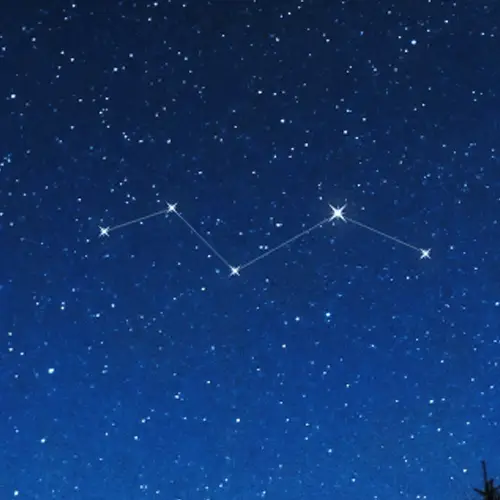
Cassiopeia, the Everlasting Throne
The Everlasting Throne sits highest in the skies as spring begins, a crown of stars that marks the renewal of the year. Ancient poems describe it as a throne too vast for mortals, reserved only for rulers of virtue.
Some farmers honor it with small offerings of first harvests, believing the constellation ensures prosperity through fairness and goodwill. Its stars are sometimes called the Five Jewels of Dawn, each one associated with honor, loyalty, generosity, patience, and truth.
The Bees and the Tree
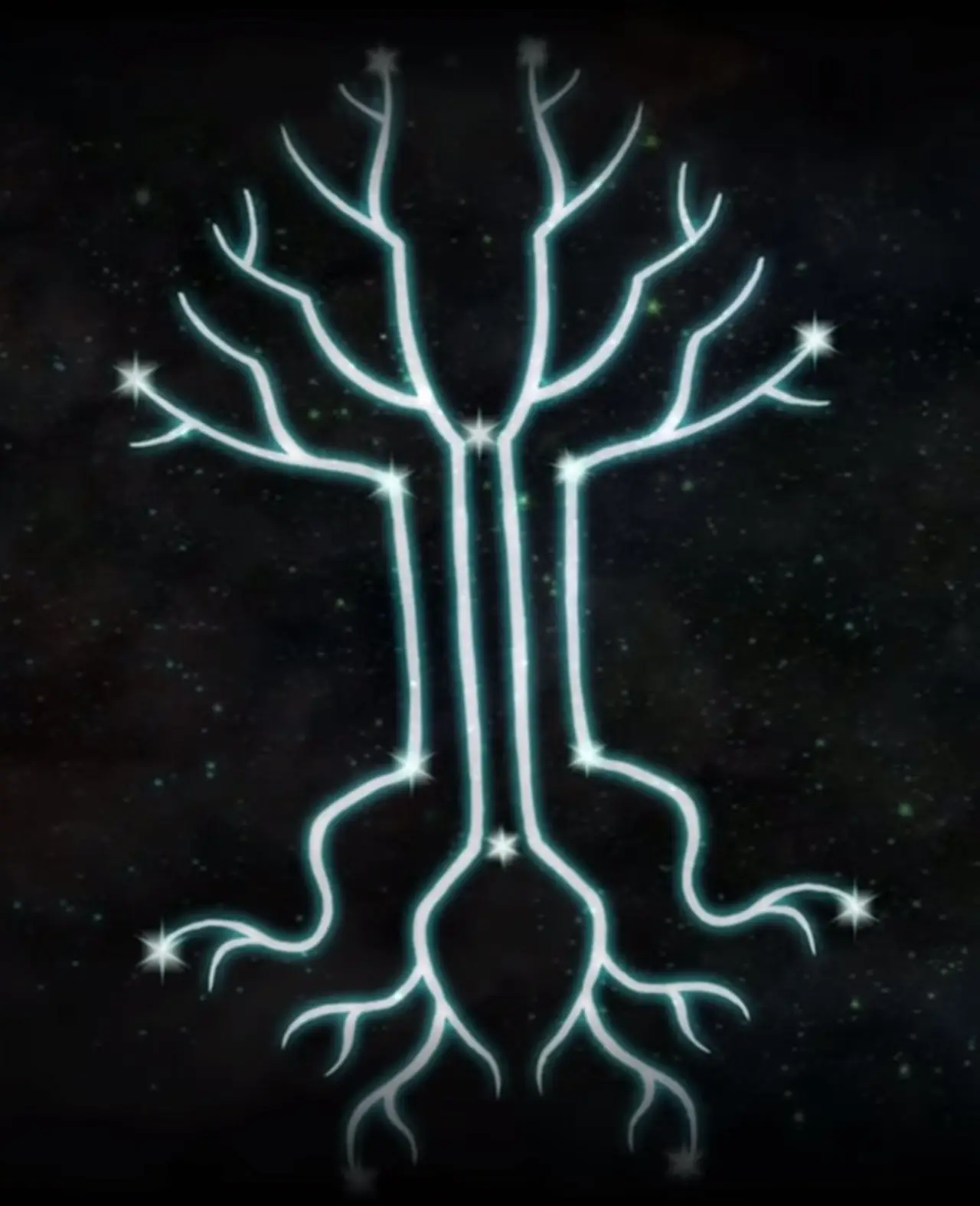
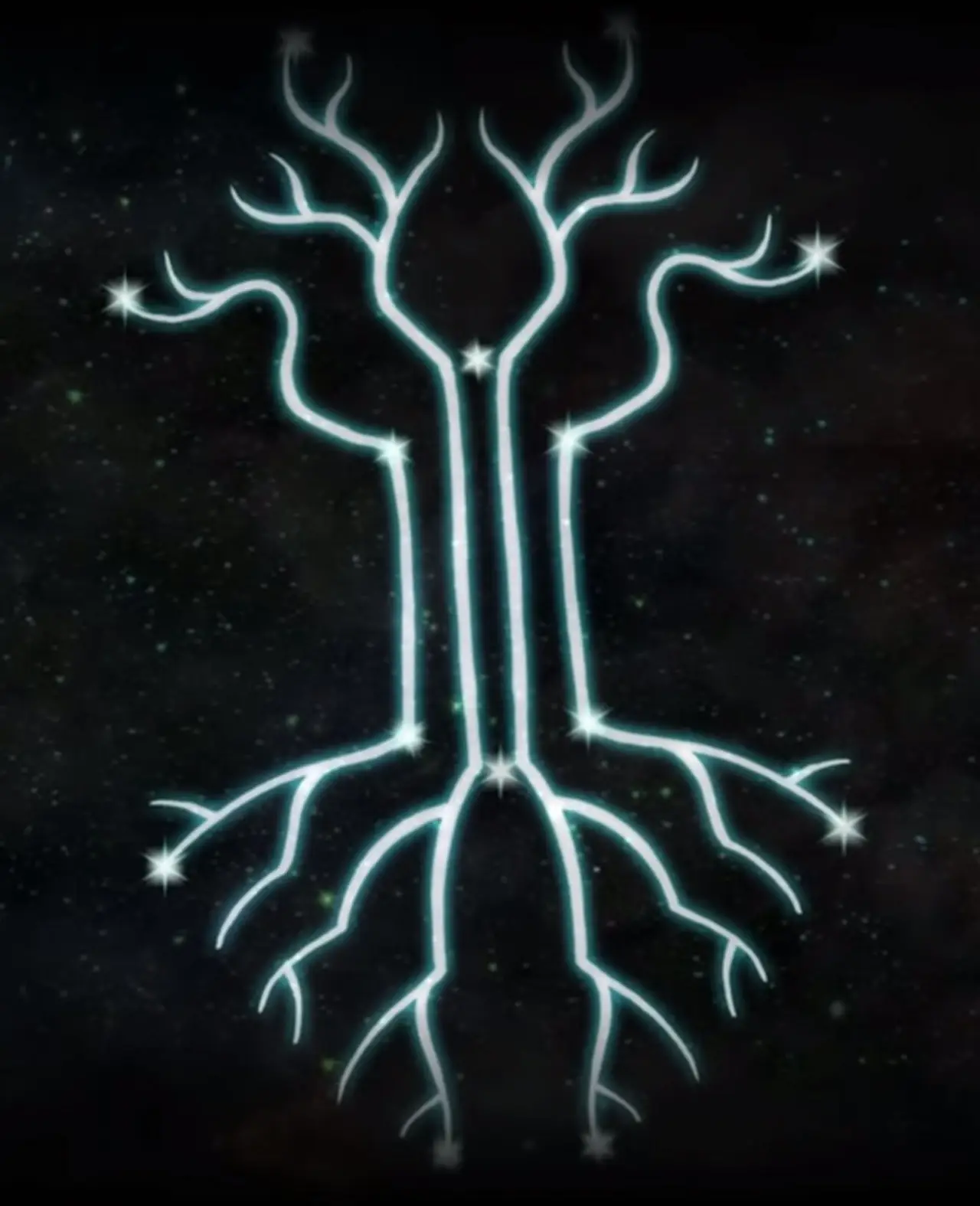
The constellation appears as a towering tree, its branches stretching wide across the firmament. In spring the tree is surrounded by faint clusters resembling bees, but in autumn it shows only the bare branches.
Legends say that this shift mirrors the tale of Queen Beatrix, who tended a sacred hive gifted by the Dragonlord Sylvirix. Some villages plant new groves when the Tree rises upright in the east, calling it a sign that the season of labor and growth has begun.
This constellation’s dual nature makes it a favorite for storytellers, who say the tree’s roots stretch across every season.
Prominent in Summer
The Winged Key
The Winged Key shines with an unmistakable outline: a bird in flight whose body curves into the form of an ornate key. To some, it represents curiosity guiding seekers toward knowledge; to others, it is a reminder that even the humble may carry great power.
Since the Therianthrophic Convergence, it has been tied to the Idol of the Soarlands, Locke Skydancer, who was said to unlock the skies themselves. Travelers often pray to The Winged Key before embarking on long journeys, hoping it will open unseen paths.
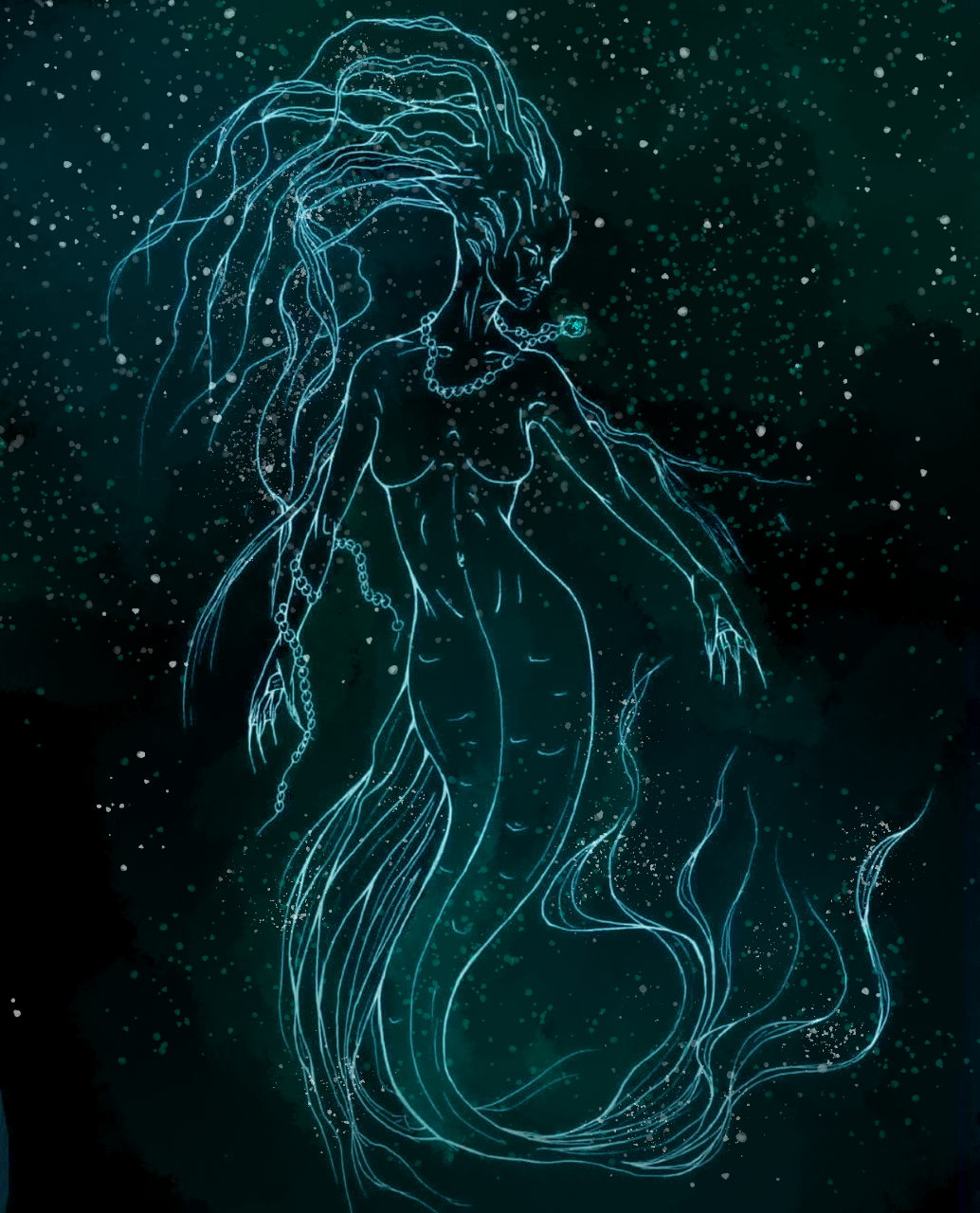
The Siren
This intricate labyrinth of stars appears like a pattern etched into the heavens. At times its shape resembles a woman’s profile, at others, swirling tides. It is said to embody secrets, riddles, and the challenges of facing one’s hidden self. Sailors claim that hearing music on windless seas beneath this constellation is a warning to turn back, or risk losing themselves to temptation. Scholars often pair it with tales of the Secretive Sirena.
The Chalice
A shallow, cup-shaped formation of stars sits high in the southern sky, often glowing with unusual clarity a few weeks after Summer Solstice.
The Chalice represents both abundance and temptation. Some ancient rites describe it as the vessel from which Idol drank fire, while others see it as the cup of mortality, reminding mortals that all feasts end. Its stars are said to shimmer faintly with shifting colors, like wine stirred in moonlight.
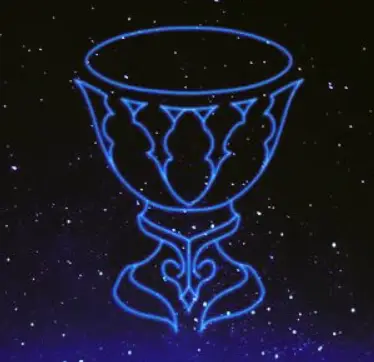
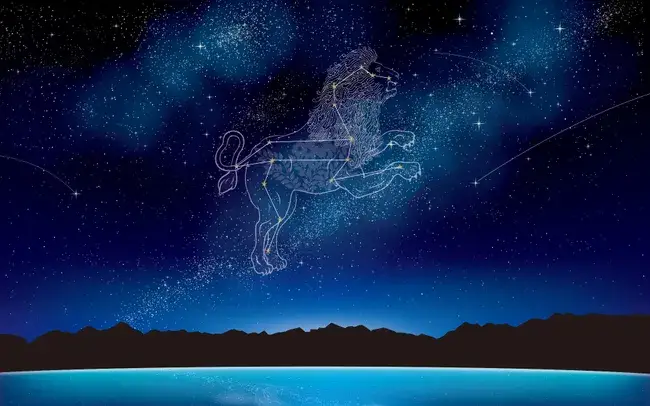
The Sun Lion
At the peak of summer, the Sun Lion roars across the heavens. Its mane, formed of radiant sunflower-like star clusters, gives off a golden hue on clear nights.
This constellation became a symbol of Radiant Solaris,
It represents resilience and triumph. Farmers and warriors alike considered it a sign of promising warmth, strength, and protection, some scholars say it was not born of the heavens, but carved there by will.
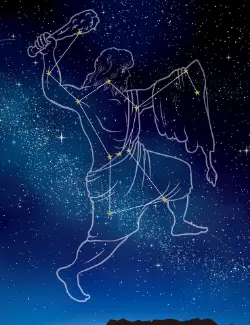
The Knight Joan / Orion / Rigel / Godfrey
This warrior-shaped constellation is known by many names across different regions and eras. Its armored form strides across the late summer skies, shield raised and sword aloft. Some accounts call it Orion, Rigel, or Godfrey, but the name “Joan” has persisted, often tied to Dame Joan, a knight who rose to prominent during the The Era of Strifes The Knight is linked with duality, times of peace and conflict, fortune and loss, making it a constellation of both inspiration and warning.
Prominent in Fall
The Dagger
Sharp and subtle, the Dagger emerges as autumn deepens, its edge gleaming faintly among the cooling stars.
To some, it is the hand of fate cutting away what must pass; to others, it is a shadowed weapon carried by unseen assassins. The constellation is feared as an omen of betrayal.

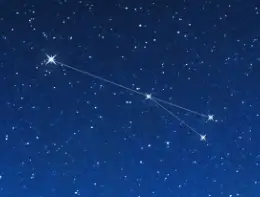
The Archer’s Arrow
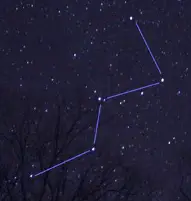
Stretching like a streak of light across the night, this constellation is unmistakable when seen in full. Legends claim it was loosed from the bow of a divine hunter, still flying endlessly across the heavens.
The Arrow symbolizes swiftness, decisive action, and focus. In rural traditions, hunters mark its appearance by carving arrows tipped with silver ash, believing it sharpens their aim. Others whisper that the Arrow always points toward hidden truths.
The Wild Tree (Inverted)
In autumn the great Tree constellation returns inverted, its branches appearing like tangled roots. The bees that surround it in summer fade, leaving only the image of vines and brambles.
Called the Wild Tree, it symbolizes change, decay, and the untamed cycle of nature. Scholars tie its shifting form once more to Queen Beatrix and Sylvirix, who were said to share a bond as delicate as hive and forest. Folklore teaches that to Dream of the Tree upside down is to be warned of upheaval.
The Accordance
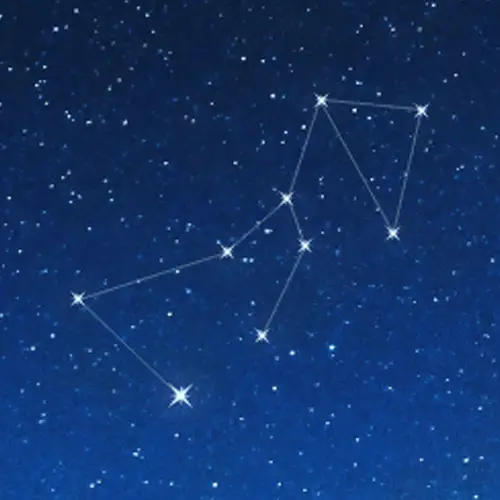
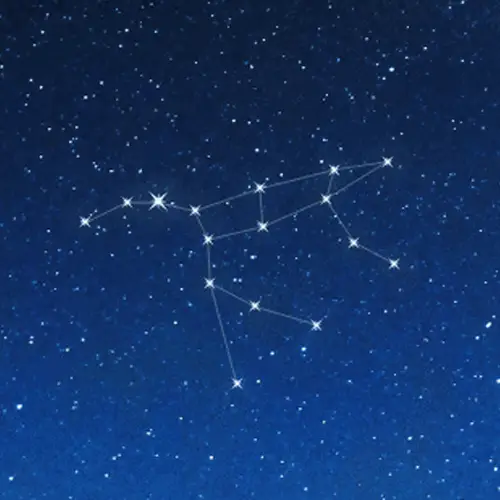
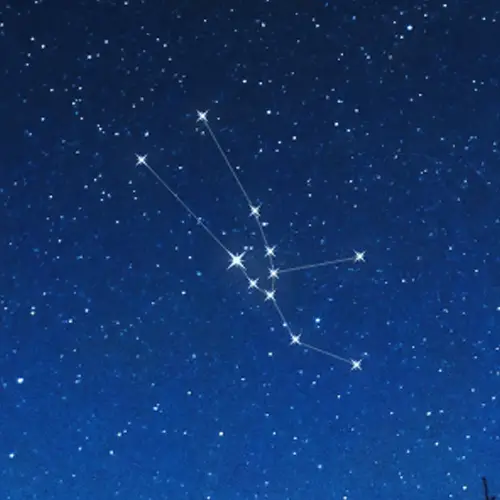
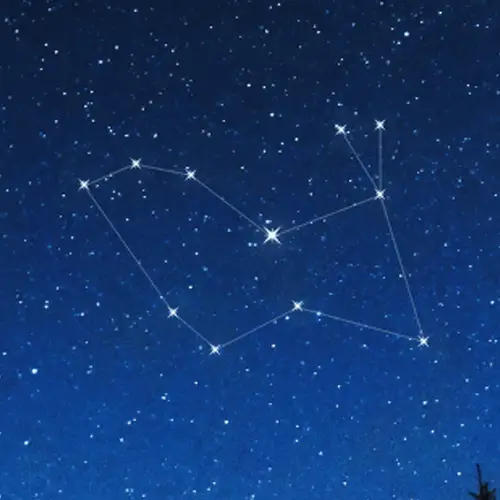
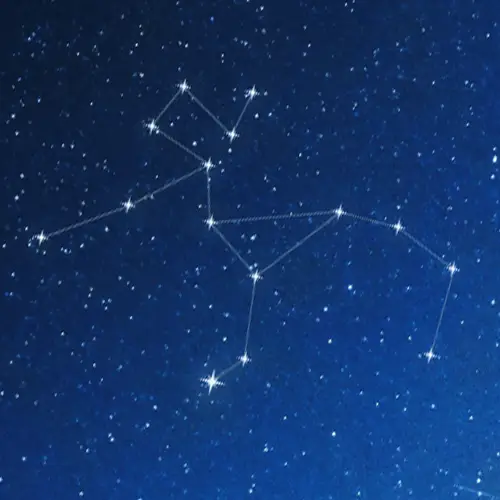
Six creatures dance across the heavens: the Wolf, the Bull, the Fox, the Bear, the Hare, and the Deer. Together they form Accordance, a constellation of harmony and shared strength. Each animal embodies virtues of balance, ferocity tempered by patience, cunning softened by loyalty. Yet, the Deer remains a point of contention. Some ancient records claim the figure was once a centaur, erased from the stars during the Convergence. This dispute fuels ongoing scholarly debates, with some arguing that the Deer was a compromise between the divine and mortals: Yet, by the year 125 A.T.C, it was officially recognized as "The Deer."
Prominent in Winter
The Watcher
The Watcher gazes down with hollow eyes, its skeletal face a chilling presence in the depths of winter. Some see a skull, others a mask with grinning teeth. It has long been tied to the figures Mistress Harmonia and Virtuoso Mortemus, representing balance between creation and decay.
Wanderers interpret its rise as a warning: that unseen forces observe every deed, and that nothing escapes the passage of time. The Watcher is both dreaded and revered, its silence louder than thunder.

Libra’s Equinox
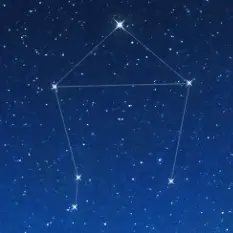
This balanced constellation takes the shape of a set of scales. It is said that Lady Equinox represents justice, equality, and the ever-turning cycle of give and take. Many illustrations show the scales held by a faceless figure, mask blank of emotion.
Magistrates of Concordia are sworn into office beneath its rise, believing it ensured their rulings would be fair.
It remains a favored constellation for oaths and vows.
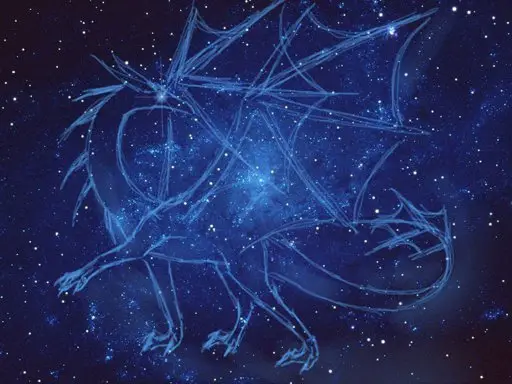
The Dragon
One of the most formidable constellations, the Dragon coils across the winter night, its head crowned with many blazing stars and its tail winding far toward the horizon.
It is a symbol of power, guardianship, and the danger of greed. In some regions, its stars are said to flicker red during storms. Old myths claim this constellation was carved into the sky by the dragons, to remind mortals that dragons remain the keepers of hidden truths.