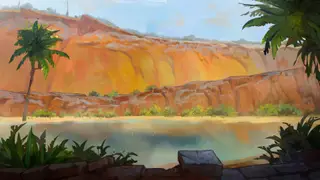
The conflict began quietly, growing from disputes over survival into deep divisions.
As the desertification showed signs of expansion across the Sunfire Expanse, disputes erupted among the dwarves of Khaz’Darad. Some argued that the sands could and must be fought. Irrigation, terraces, and reservoirs were essential to preserve the fertile valleys. Others contended that the desert was inevitable, and that dwarves must endure it, training their bodies and ways of life to survive its harshness.
Tensions escalated quickly. Clans began to quarrel openly over water, fertile terraces, and mountain passes. Small skirmishes broke out: terraces were sabotaged, canals blocked, and hunting grounds claimed or contested. Rebels rose within clans, refusing to follow leaders who did not share their views. Markets became divided, bridges and tunnels were seized in struggle, and The Neck itself, the mountain range dividing the northern and southern valleys became a fault line of environmental politics and violence.
It was during this turbulent time that the stories of Juy-Ard and Grit-Mira came to prominence once more. These dwarves of the ancient times long passed, had lived during the first emergence of desert dwarves, their teachings now offered guidance or rather... justification to the clans.
Followers of Juy-Ard sought to hold back the desert, moving north to secure fertile valleys and eventually founding Sâdbarad, the Wellspring Fortress.
Followers of Grit-Mira sought to endure and become like the desert, moving south into mesas and dunes to establish Âtashbarad, the Sandforged Hold. Khaz’Darad itself, caught between extremes, fractured under the strain, its bridges and tunnels crumbling and its terraces abandoned.
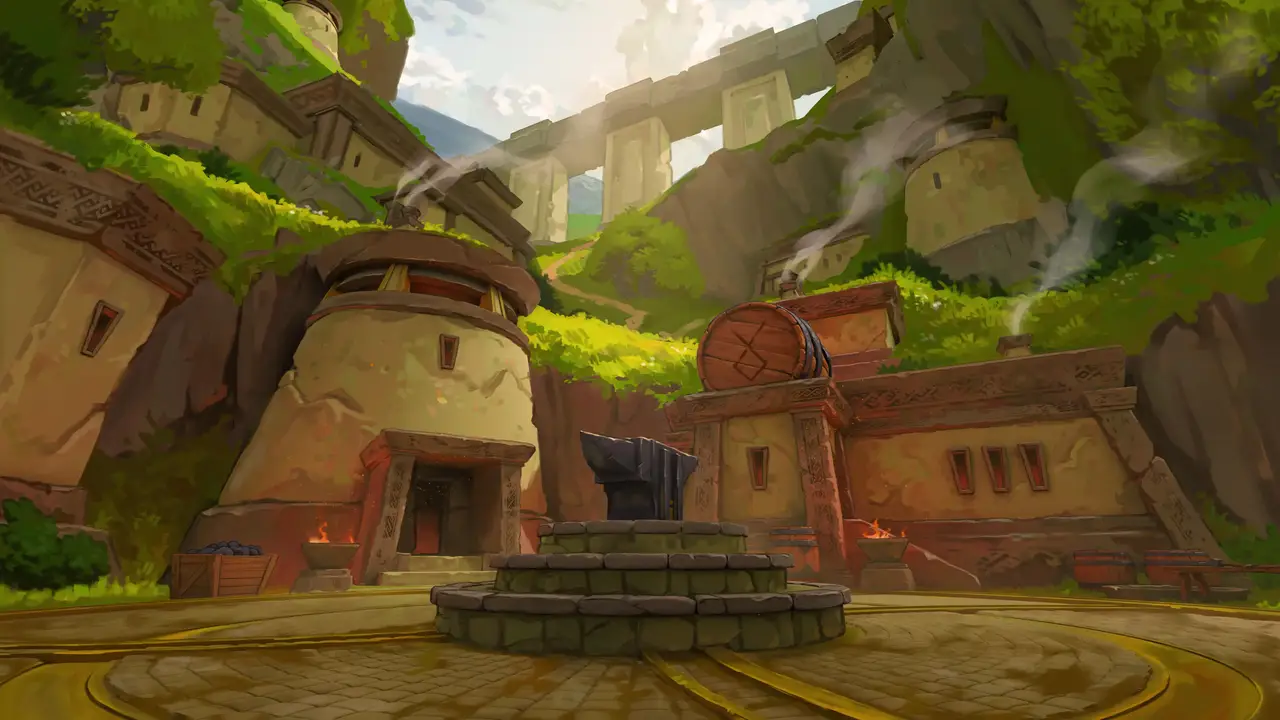
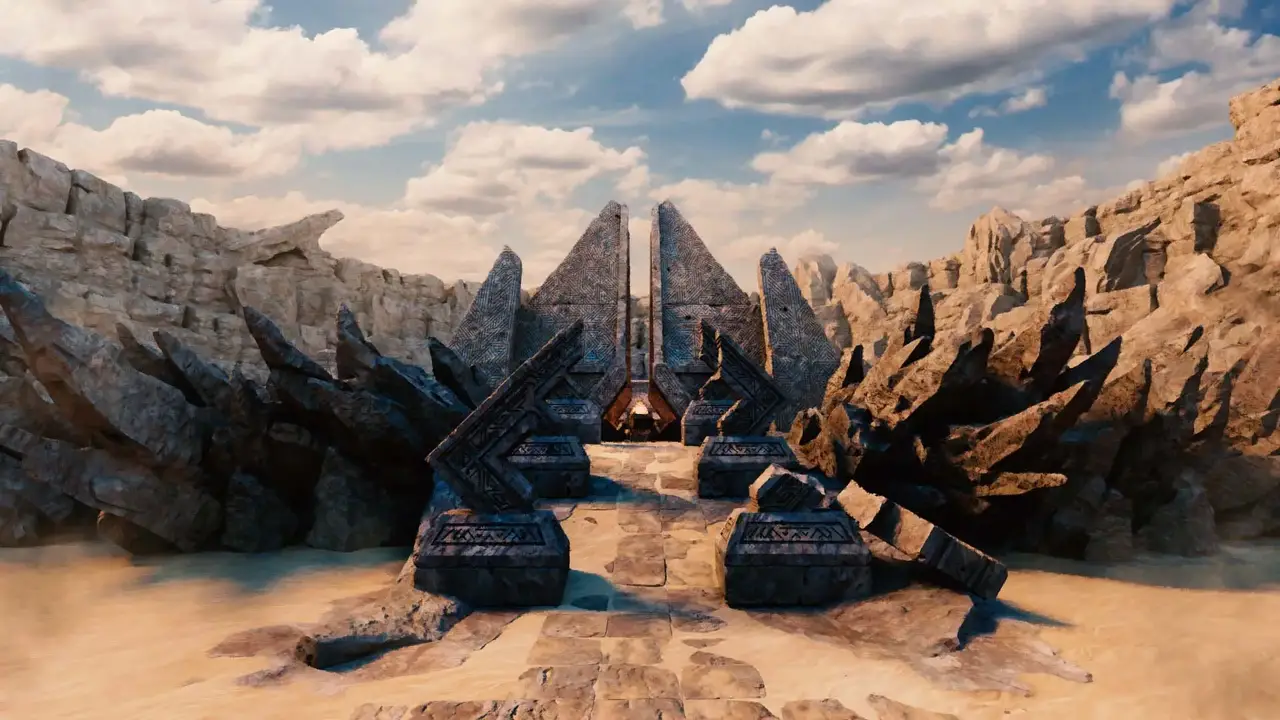
The saying “Another Dwarf breaking the Neck” arose during these years, a bitter reminder of how even shared earth could divide kin. While the distant human-Luminary conflicts, such as the subjurforged attack on Maraya, briefly touched the region, it was the desertification itself, advancing, indifferent, and relentless, that drove dwarves into division.
For generations, dwarves told tales of Juy-Ard, who first taught that the desert could be held back, that rivers, terraces, and stonework could preserve life even as the sands advanced.
They spoke too of Grit-Mira, who had wandered the mesas and taught that to endure the desert, one must change with it, slow the blood, harden the body, and become like the dunes themselves. These figures were long gone, their names carved into stone and song, but their teachings shaped every choice of their descendants.
By the time the desertification spread across the Sunfire Expanse, the descendants of these dwarves took up their ancestors’ visions — but carried them further than ever before. Those inspired by Juy-Ard moved north, determined to tame the land, irrigate every valley, and hold back the desert with terraces and canals.Those following Grit-Mira went south, honing their bodies to endure sun and sand, living as the desert itself and testing themselves against its extremes.
Small skirmishes erupted over water rights, terraces, and passes, while sabotage became common: irrigation channels blocked, terraces undermined, and desert markers shifted to confuse rival clans. Families migrated north and south, solidifying the new homes that would become Sâdbarad, the Water Fortress, and Âtashbarad, the Desert Flames Fortress. Khaz’Darad fractured completely — bridges and tunnels collapsed, markets emptied, and the city became a patchwork of contested zones. The saying “breaking the Neck” was born, a curse against dwarves who fractured both mountains and kin. Even distant human-Luminary conflicts, like the attack of humanity’s subjurforged on Maraya, only accelerated tensions; it was the desert itself, eternal and indifferent, that shaped dwarves’ loyalties and destinies.