Names: Hēiyào - Hēiyán, Hēiyuān - Zhūyán, Kuroyō - Asaharuin, Layth al-Layl - Irashanic, Shachar - Qorathi, Etellu - Ṣērûan, Tafukt-Agdim - Taziri
Alignment: Chaotic Evil
Province(s): God of Dragons, Corruption, and Lies
Common Symbol: A black sun, a split serpent, or a crown wreathed in flame.

Hēiyào, known as Kuroyō to the Asaharuin, Layth al-Layl to the Irashani, and Etellu among the Ṣērû, is the god of dragons, corruption, and lies, the shadow that creeps beneath creation and whispers that all things can be unmade. He is not merely a destroyer, but a corrupter of purpose, delighting in the twisting of what is into what should not be. Where Al-Sama embodies perfect order and measure, Hēiyào is the mistake in the pattern, the thread that pulls until the whole collapses.
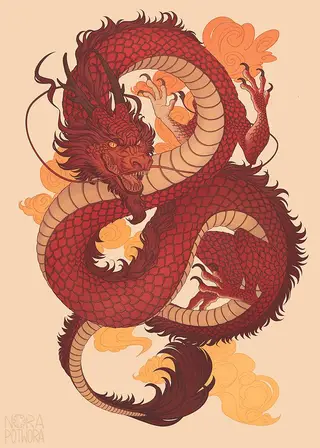
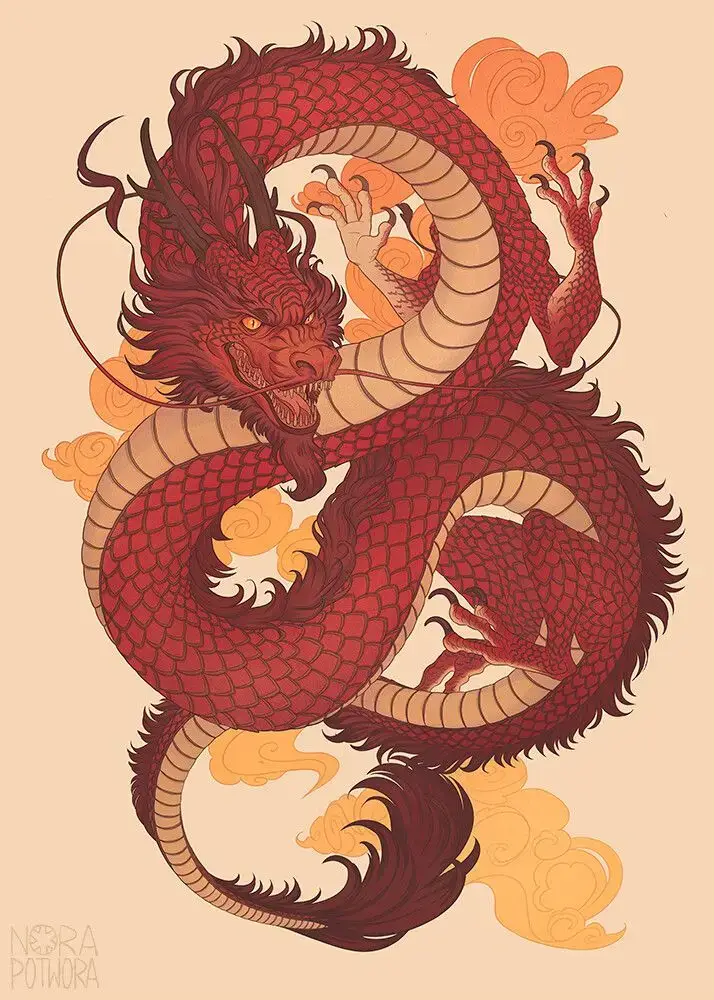
He is most often depicted as a vast, serpentine dragon of blackened scale and burning eyes, his form coiling endlessly through smoke and shadow. Yet this is only one shape among many; Hēiyào is a master of deception, appearing to mortals as trusted kin, wise teachers, or even divine messengers, his voice always tailored to the listener’s deepest doubt. His holy symbol is rarely fixed, often changing between a black sun, a split serpent, or a crown wreathed in flame, each a reflection of his nature as the god of false forms.
Hēiyào’s influence is found in betrayal, in the quiet moment before an oath is broken, and in the creeping thought that power justifies all things. He speaks in soft promises and half-truths, never commanding, only suggesting, offering mortals the chance to choose ruin for themselves. His champions are not bound by creed, but by desire: kings who seize thrones through treachery, scholars who twist knowledge into control, and warlords who burn the world for the sake of legacy.
In myth, Hēiyào was the architect of the great corruption that scarred Naplica. Where the gods sought to build, he sought to test, and in testing, to break. It was he who whispered to the divine, turning peace to violence, breath to stillness, and wisdom to obsession. To Zhuyang, he is not a master but a progenitor, the first to embody their hunger and pride. He does not rule from a hall, for Hēiyào dwells wherever doubt takes root, coiled in the unseen spaces of the world, waiting for the moment when order falters, and the lie becomes truth.