Anadi
Anadi people are reclusive, sapient spiders who hail from Anahidora and Amenoria. Though they act in many ways like natural-born shapeshifters, their twin forms actually stem from carefully developed magic.
As a communal and peaceful people, anadi ancestors endeavored to establish trade with the neighbors of their homeland. However, these anadi soon learned that most others found their appearance to be extremely objectionable. Wishing to avoid conflict, ancient anadi retreated into isolation until they could find a solution. The answer came when their greatest scholars innovated a fusion of transmutation and illusion magic that allowed them to assume a humanoid form. The technique was developed, perfected, and eventually taught to the overwhelming majority of anadi.
Early efforts with their new approach to diplomacy have yielded much better results, though sporadic contact means that some outsiders whisper false legends about anadi, such as claims that they are humans who transform into monstrous spiders at moonrise. Even contemporary explorers have reported anadi as human-spider hybrids. The anadi people of the current day strive to slowly but surely create a world where they no longer need to hide their true nature.
Awakened Animal
You once enjoyed the simple and boundless pleasures of nature with an innocent, uncluttered mind. You lived from moment to moment, never questioning what comes next or pondering the ramifications of what happened before. You were at one with the wild. Then came the event that changed everything. You drank from a glowing lake, someone pulled a magical prank, a druid sought to elevate your mind. You were pulled out of the present moment of the wild and into a land of thought.
For the first time, you realized you had a past. For the first time, you started to think about your future. Now you experience the world in a whole new way. You become aware of dangers that never occurred to you before, but there are pleasures and wonders aplenty in this new world, too. That’s a good thing, because there’s no going back to how things were.
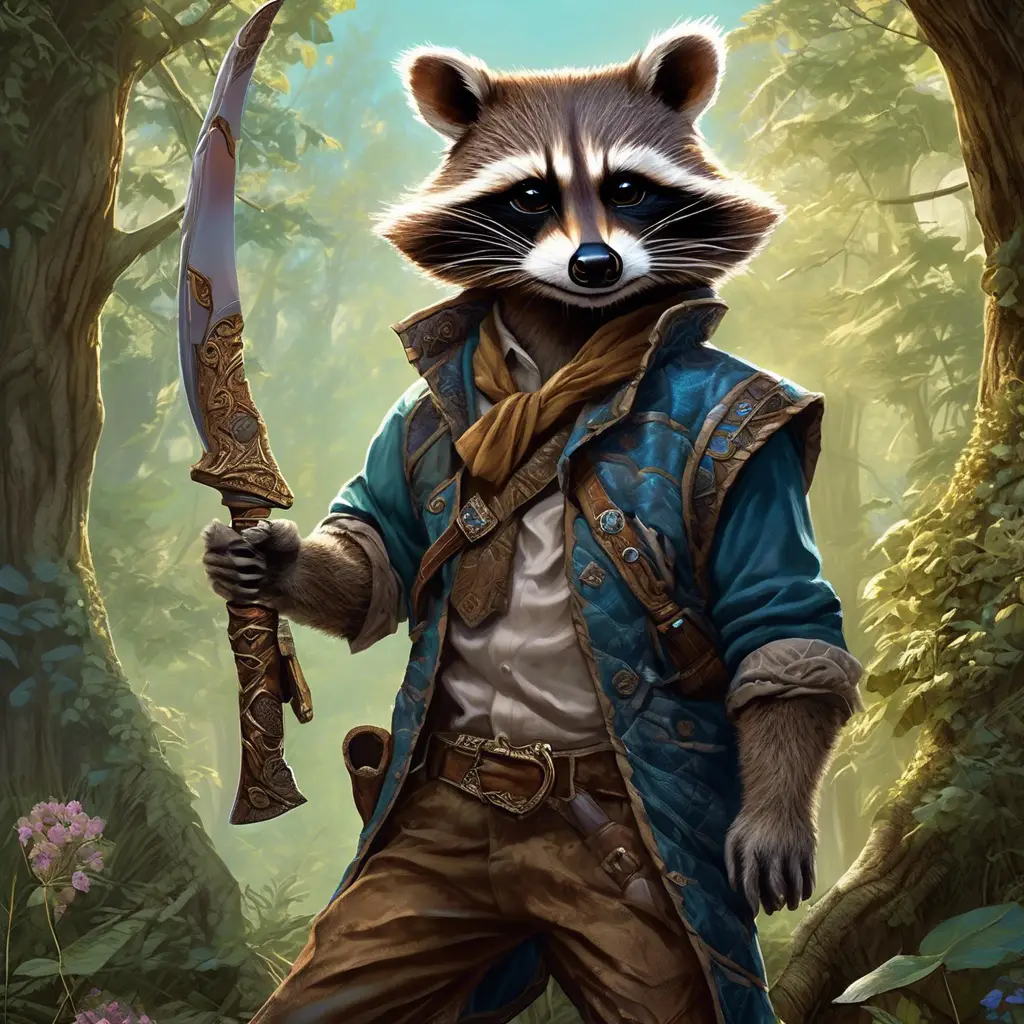
Awakened animals were normal animals that underwent an experience that awakened their minds, giving them full intelligence and the ability to perceive the world through a lens of thought. There are many mysterious ways for animals to awaken, but the most well-known path is through the ritual awaken animal.
Every animal takes the process of awakening differently. For some, the opening of their mind is electric, allowing them to perceive and ponder the world like never before. Others are overwhelmed by emotions and thoughts that they didn’t ask for and weren’t ready to hold. Most people who would awaken an animal assume that the animal they awaken will be full of wonder and gratitude and aren’t prepared for the wide variety of responses they receive: shock, sadness, euphoria, curiosity, and anger are common (but not the only ones).
No matter how an awakened animal reacts, they still must find their way in the world. Some awakened animals try to go back to their lives but almost always find themselves disconnected from their unawakened peers. Others embrace the civilized world entirely, doing their best to navigate a world built for humanoids. Over time, awakened animals find themselves moving between both the civilized world and the wild, for each holds only a part of what they need from life.
If you want to play a character who is extremely outside the norm and crosses between the civilized and natural worlds, you should play an awakened animal.
Fetchling
Once human and now something apart, fetchlings display the Shadow Plane's ancient influence through monochrome complexions, glowing eyes, and the casting of supernatural shadows.
Fetchlings are a striking people whose skin appears entirely drained of color. These lithe and shadowy beings seem to sink and vanish into the gloom. They see in darkness, exercise control over shadows, and have strange occult powers. Some fetchlings develop their powers enough to pass between the Shadow and Material Planes, leaving other ancestries to whisper about figures that emerge from shaded corners and then vanish without a trace. Through magic and other means, they've spread across Eldranis and the planes beyond, as adaptable as the humans they once were.
The first fetchlings were refugees. Ages ago, when the Voidborn invaded and cast the world into darkness, one small group of people pleaded for rescue. A mysterious hooded figure known as the Widow answered their call, slicing open a passage into the Shadow Plane. These people stepped through, trading the darkness of the Voidborn a deep shadow. As they navigated the plane's strange environs and dangerous inhabitants, its nature slowly worked monumental changes on the survivors.
If you want a character more at home in a mirror world of shadow, infused with umbral gloom, and who embodies the dualities of light and darkness, you should play a fetchling.
Ghoran
These intelligent plant people, created by a long-dead druid, possess a sort of immortality through their seeds—unless these are destroyed by external events other than merely the ravages of time.
Each ghoran is essentially an ancient spark of life that inhabits, successively, a series of plantlike bodies. Every twenty years or so, a ghoran produces a seed. Their old body withers away as their soul enters the seed, which then swiftly produces a new body. The process brings with it minor changes in personality and some loss of more distant memories, such that each new ghoran is related to their predecessor while still being a different individual. The art of creating more ghorans died with the druid Ghorus, so they're a tiny but stable minority, dwindling bit by bit over the centuries as a few of them fall to violence and mischance.
If you want a character who's an ancient and alien soul, trying to survive and thrive in a strange and hostile world, you should play a ghoran.
Goblin
The convoluted histories other people cling to don’t interest goblins. These small folk live in the moment, and they prefer tall tales over factual records. Goblin virtues are about being present, creative, and honest. They strive to lead fulfilled lives, rather than worrying about how their journeys will end. To tell stories, not nitpick the facts. To be small, but dream big. Many goblins enjoy simpler delights like songs, fire, and eating, and hate reading, dogs, and horses. Other goblins might have more complex pursuits, though, such as tinkering with scraps or concocting snacks and explosives from most anything.
If you want a character who is eccentric, enthusiastic, and fun-loving, you should play a goblin.
Hobgoblin
Taller and stronger than their goblin kin, hobgoblins are equals in strength and size to humans, with broad shoulders and long, powerful arms. Under strict orders to not start conflicts with other nations, these hobgoblins have begun to cautiously investigate in the spirit of cooperation rather than conquest. Many people, especially those who suffered terrible cruelties caused by hobgoblins, fear that this is simply a pause in aggression while they gain enough strength to crush their rivals. Others hope these bold soldiers might prove to be powerful allies.
Kobold
Every kobold instinctively understands the importance of power, and many are inclined to venerate those who have it, whether they be mighty dragons, cruel fiends, imperious fey, or even ancient artifacts. Kobolds seek out these alliances out of a sense of pragmatism—after all, who would dare bully a kobold who serves an ancient dragon?—but also because kobold eggs incubated near such loci of power take on physical traits (and sometimes abilities) similar to those of the warren’s benefactor. On their own, kobolds are ingenious crafters and devoted allies, but outsiders who trespass into their territory find them to be inspired skirmishers and clever ambushers. However, these reptilian opportunists prove happy to cooperate with other humanoids when it’s to their benefit, combining caution and cunning to make their fortunes in the wider world.
If you want a character with deadly cunning and who bears the mark of a powerful benefactor, you should play a kobold.
Leshy
Leshies are immortal spirits of nature temporarily granted physical forms. As guardians and emissaries of the environment, leshies are “born” when a skilled druid or other master of primal magic conducts a ritual to create a suitable vessel, and then a spirit chooses that vessel to be their temporary home. Leshies are self-sufficient from the moment the ritual ends, though it isn’t uncommon for leshies to maintain lifelong bonds with their creators. Many leshies relish the opportunity to interact with the physical world. While most leshy spirits are ancient, they rarely recall past lifetimes and see their new life as a chance to experience the wonders of the world once more.
If you want to play a character who is curious and connected to nature, you should play a leshy.
Lizardfolk
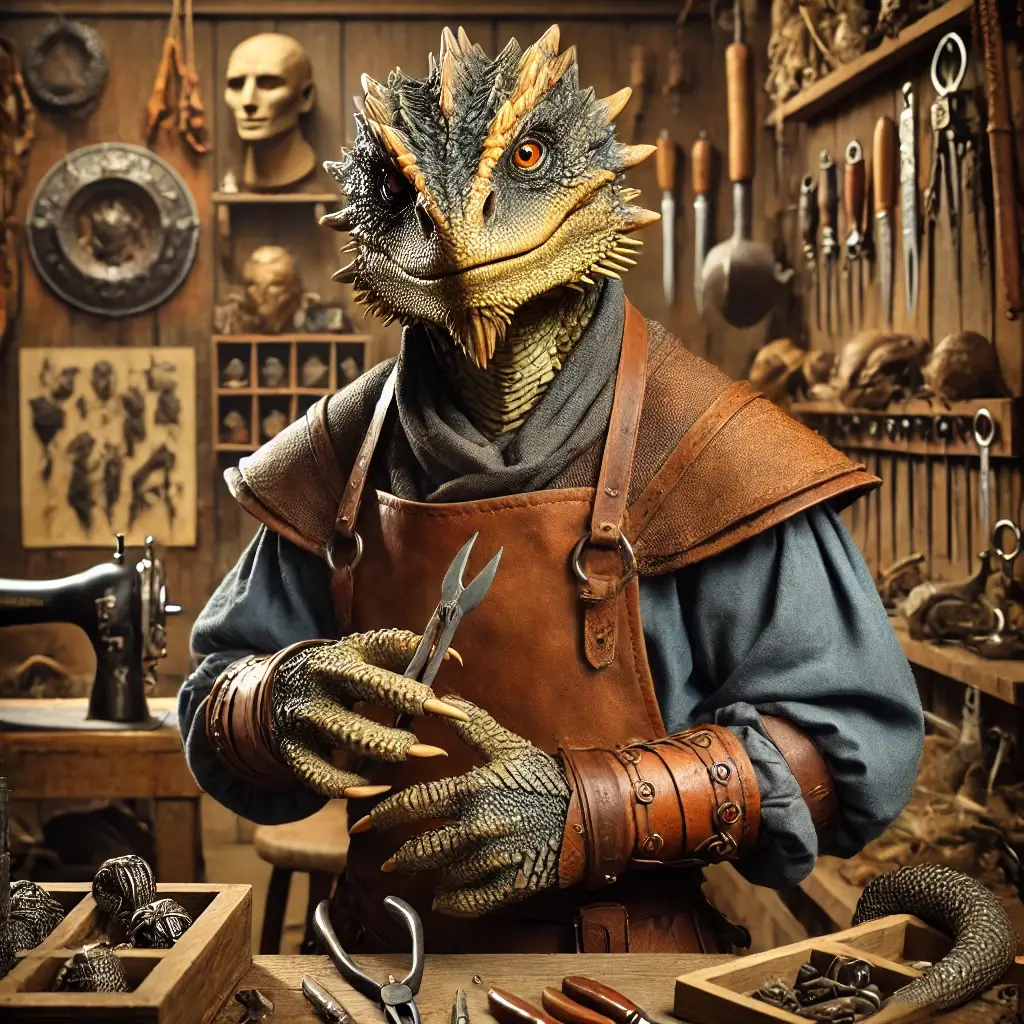
Lizardfolk are consummate survivors, heirs to empires considered ancient even by the elves.
Lizardfolk move through the societies of other humanoids with the steely reserve of born predators. They have a well-deserved reputation as outstanding rangers and unsentimental fighters. Though lizardfolk have adapted to many different environments, many of them still prefer to remain near bodies of water, using their ability to hold their breath to their advantage. As a result, they usually prefer equipment that is not easily damaged by moisture, eschewing leather and metal for gear made of stone, ivory, glass, and bone.
Orc
Orcs are forged in the fires of violence and conflict, often from the moment they are born. As they live lives that are frequently cut brutally short, orcs revel in testing their strength against worthy foes, often by challenging a higher-ranking member of their community for dominance. Orcs often struggle to gain acceptance among other communities, who frequently see them as brutes. Those who earn the loyalty of an orc friend, however, soon learn that an orc’s fidelity and honesty are unparalleled. Orc culture teaches that they are shaped by the challenges they survive, and the most worthy survive the most hardships. Orcs who attain both a long life and great triumphs command immense respect.
If you want a character who is hardy, fearsome, and excels at feats of physical prowess, you should play an orc.
Poppet
Poppets are small, basic constructs that typically help their owners with simple tasks. Occasionally, poppets gain sapience, independence, and a spark of life. Elevated beyond mere helpers or playthings, these poppets are free to chart their own destinies.
Most commonly made of cloth, wicker, and wood, poppets are among the simplest of constructs. They serve as helpers to fetch tools, clean dishes, tidy rooms, or perform other light tasks. Their size and appearance vary, but nearly all poppets appear humanoid in shape and between 1 to 3 feet tall. They're usually roughly made with button eyes sewn onto blank faces, strings of yarn in place of hair, and a simple dress or tunic made from coarse, cheap cloth. Wealthy families sometimes purchase poppets as toys, with their squishy bodies and stitched smiles, to keep their children company. Most poppets can't speak and lack the intellect to understand speech beyond preprogrammed orders. Poppets can become familiars, as presented here.
Very, very rarely, a common poppet spontaneously manifests a spark of life—a tiny bit of life essence— and becomes a thinking, independent creature. These events are exceedingly rare; fewer than one in a thousand gain this spark. A poppet might manifest this life essence through a magical fluke in its construction, a brush with ephemeral spirits, or even the fervent wish of a loving child. Whatever their origin, the poppets described here as an ancestry have their own life and free will. They might consider their creators or former owners to be friends, but they acknowledge no one as their master and often leave comfortable homes or workshops to seek their place in the world.
Sapient living poppets usually refer to themselves as “awakened” to indicate the moment they gained clear and true self-awareness. Poppets might talk about this event as the time they “popped up,” “woke up,” or “sparked alive.” Most poppets celebrate two special anniversaries each year: the day of their initial creation (which, for most poppets, they must learn secondhand or by studying their creator's records) and the day they awoke to true consciousness.
Ratfolk
Ysoki are beings that most surface-dwelling humanoids refer to as “ratfolk.” They are a communal people who prefer cramped conditions, with up to 100 individuals living in a given home. If they can’t find homes in town, ratfolk may instead live in caves and cavern complexes, as these provide great storage for the many and varied goods they bring back from trading expeditions.
Ratfolk love to travel, and they can often be found on the road in merchant caravans. They’re good with their hands and have a keen eye for spotting anything out of the ordinary, from threats to treasures. They’re also inveterate hoarders; ysoki warrens are crammed full of unusual odds and ends gathered by previous generations and stowed away in preparation for some future emergency.
If you want a character who is smart, fast, well-traveled, and adaptable, try playing a ratfolk!
Samsaran
Samsarans, as the tale goes, originated with a group of scholars in Zi Ha who ventured into the mountains to find the cure for an illness ravaging their village. After weeks of peril, they found a freshwater spring filled with pure magical life essence. This water brought the scholars back from the brink of death and cured the villagers. Given a new chance at life, everyone who drank the water devoted the rest of their life to learning and experiencing the world fully. Upon death, this devotion, combined with the magical essence now infused in their bodies, transformed these people into the first samsarans.
Samsarans dedicate themselves to achieving enlightenment—a true understanding of everything and everyone in the world around and beyond them. Unlike duskwalkers, samsarans reincarnate many times over, with some accumulating thousands of lived lives. This cycle of reincarnation continues until the individual samsaran achieves this goal of enlightenment, or irrevocably fails at making any progress toward it. At that time, a samsaran’s soul passes onto the Great Beyond, and their body melts into pure water. For those samsarans who succeeded at enlightenment, they find a time of peace and satisfaction in the afterlife. Those who have failed instead encounter an afterlife filled with misery, punishment, reminders of past failure, or in extreme cases, nothing, leaving the souls to waste away for the rest of time.
While samsarans can recall parts of their past incarnations, these recollections often feel like half-remembered dreams. By combining these snippets of memories from the past with new knowledge from their current life span, samsarans can view and connect with the world in entirely unique ways. The detachment that comes with countless lifetimes sometimes makes it difficult for samsarans to empathize and connect with others, however.
If you want to play a character who experiences a repeated cycle of existence, seeking out new knowledge and experiences as you walk a path to learning everything you can about the universe, you should play a samsaran.
Shisk
Shisks are secretive mountain-dwellers, bone-feathered humanoids who lurk underground in dark tunnels and caverns. Their fascination with collecting and protecting esoteric knowledge is one of the few things that can persuade them to explore the outside world.
Shisks rarely encounter other peoples. Shisks subsist on low-calorie diets of vegetables and insects, causing them to rarely compete with others for resources or seek out people to trade. They have a tight-knit society, wary of outsiders, though they don't outright attack visitors.
Their history is passed down verbally and musically, and they rarely maintain written records in order to keep their knowledge safe. Often the only proof that shisks exist comes from explorers finding signs of their architecture: organic and low-impact adobe buildings carved out of mountains rather than built atop them.
Shoony
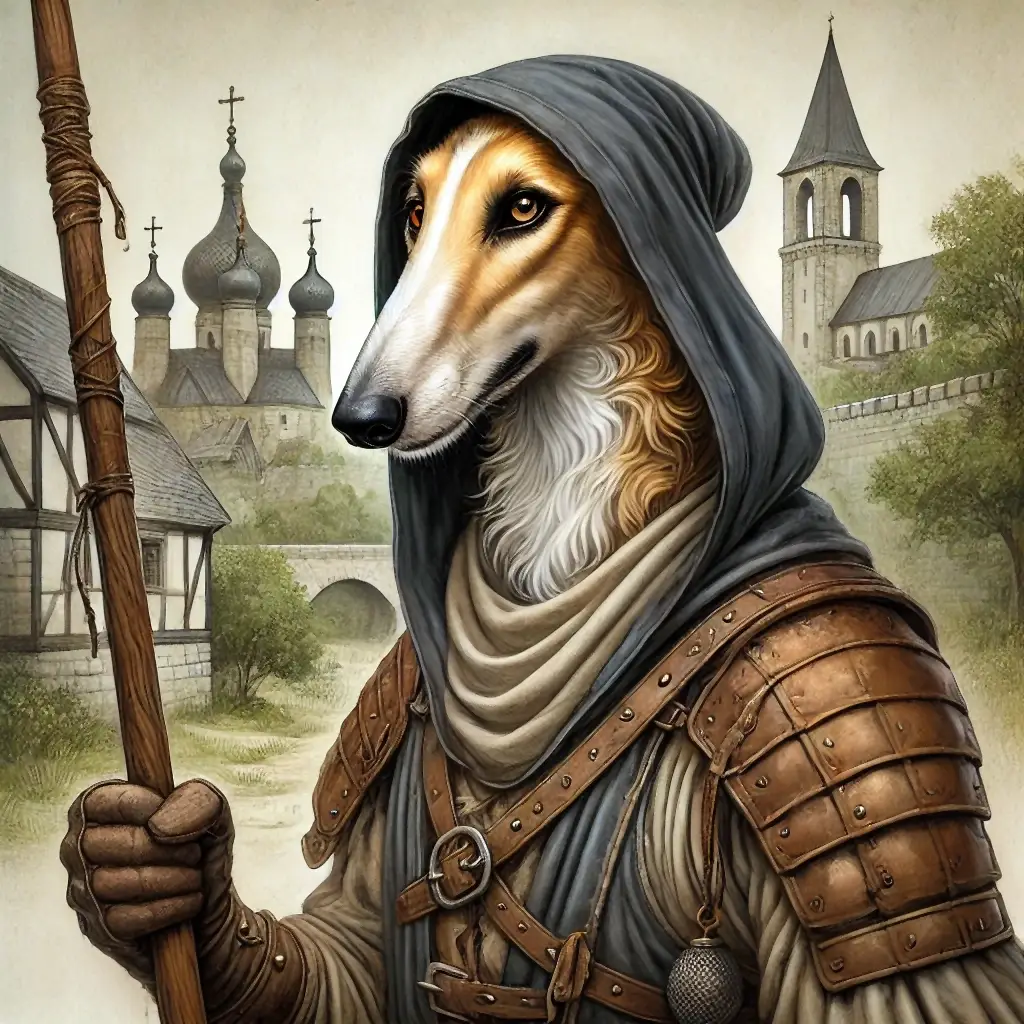
Diminutive humanoids who resemble squat, bipedal dogs, shoonies are sometimes mistaken for weak and insular pacifists. However, their sheer perseverance, incredible work ethic, and resourceful use of diplomacy make shoonies far from helpless.
Shoony culture is rooted in this myth and its implications, which help to explain the ancestry’s long reputation for hospitality, good will, and pacifism. War is antithetical to the shoony way of life; shoonies rely on cooperation and persistence to make their way through a world that can seem at times hellbent on destroying them. Shoonies are unflappable in their optimism and always see the best in others, even when faced with frequent subjugation and exploitation that might create bitterness or xenophobia among other societies. To shoonies, peace is a goal always worth striving for, and no villain is beyond redemption, so they aim to resolve problems with peaceful solutions.
Strix
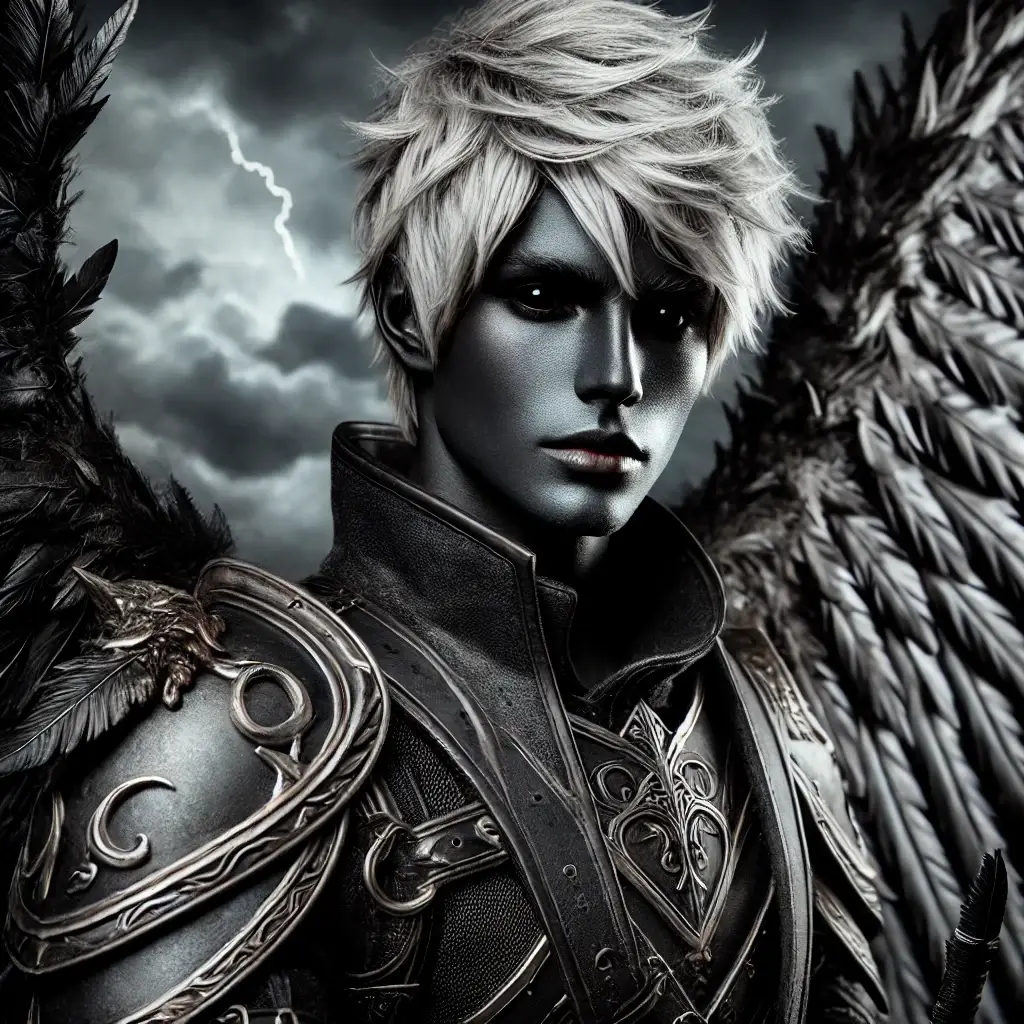
Known as itarii in their own language, strix are reclusive avian humanoids devoted to their homelands and their tribes. They defend their precious communities with broad wingspans and razor talons.
Strix value ferocity, vengeance, and devotion above all else. Their dark, formidable wingspans and long history of taking revenge for their fallen family members have painted them as winged devils in the eyes of neighboring human populations. In contradiction to their misunderstood nature, strix boast a spiritual, artistic, and compassionate culture that is rarely seen outside of their roosts.
As strix populations begin to resurge and spread beyond the mountainous region known as the Nemoris Mountains, their tribes now speckle the landscape of Nemoris and surrounding regions. Soaring over mountains, forests, and beaches, strix are always brought home by the deep connections they share with their kinfolk. If you want a character who is loyal yet enigmatic, fierce yet artistic, and who yearns to soar above the world, you should play a strix.
Tanuki
Tian Xia is replete with magically gifted ancestries—such as tengu, kitsune, yakshas, and yaoguai—whose powers bring them high regard and who, in turn, use their gifts for responsible ends. Tanuki aren’t one of these ancestries. Instead, the shapeshifting raccoon dog–like humanoids use their powers of illusion and transformation in ways more people should: for fun! Tanuki delight in pranks and practical jokes, especially those that allow them to take the high and mighty down a notch and show them what life is like for everyone else. Where other peoples take pride in their storied histories, noble traditions, or intricate ceremonies, tanuki take pride in their simplicity and disregard for the world’s many rules. Though some might claim this outlook reduces tanuki to uncouth rubes, tanuki feel it makes them more cultured; after all, one must know a rule to bend it, and one must understand a norm to break it.
That being said, their laid-back natures can cause tanuki, and others, no end of trouble. Their focus on living in the moment can often mean they’re brought low by a problem they could’ve solved earlier with little effort. At the end of the day, tanuki rarely come out on top, and even their victories tend to be mixed with small defeats or embarrassment. A tanuki bard might save the day with the power of his music, but only because he played so off-key that bandits mistook him for a fearsome ghost. Tanuki are usually just fine with such an outcome, though. There’s a truth to the world that tanuki know in their bellies: that the ups and downs of life are all just a big joke, and if everyone’s going to be made a fool in the end, you might as well be the fool who gets to dance and have fun along the way! Life’s a party, and tanuki intend to enjoy it as much as they can before their luck inevitably runs out.
If you want to play a character who loves to have fun—occasionally at another’s or your own expense—who’s always up for a party and perhaps a bit too clever for their own good, you should play a tanuki.
Vanara
Vanaras are inquisitive and mischievous monkey-like humanoids with short, soft fur, expressive eyes, and long, prehensile tails. Their handlike feet and agile builds serve them well in the jungle realms where most vanaras live.
If you want to play a character who embodies the struggle between self-betterment and self-expression, you should play a vanara.