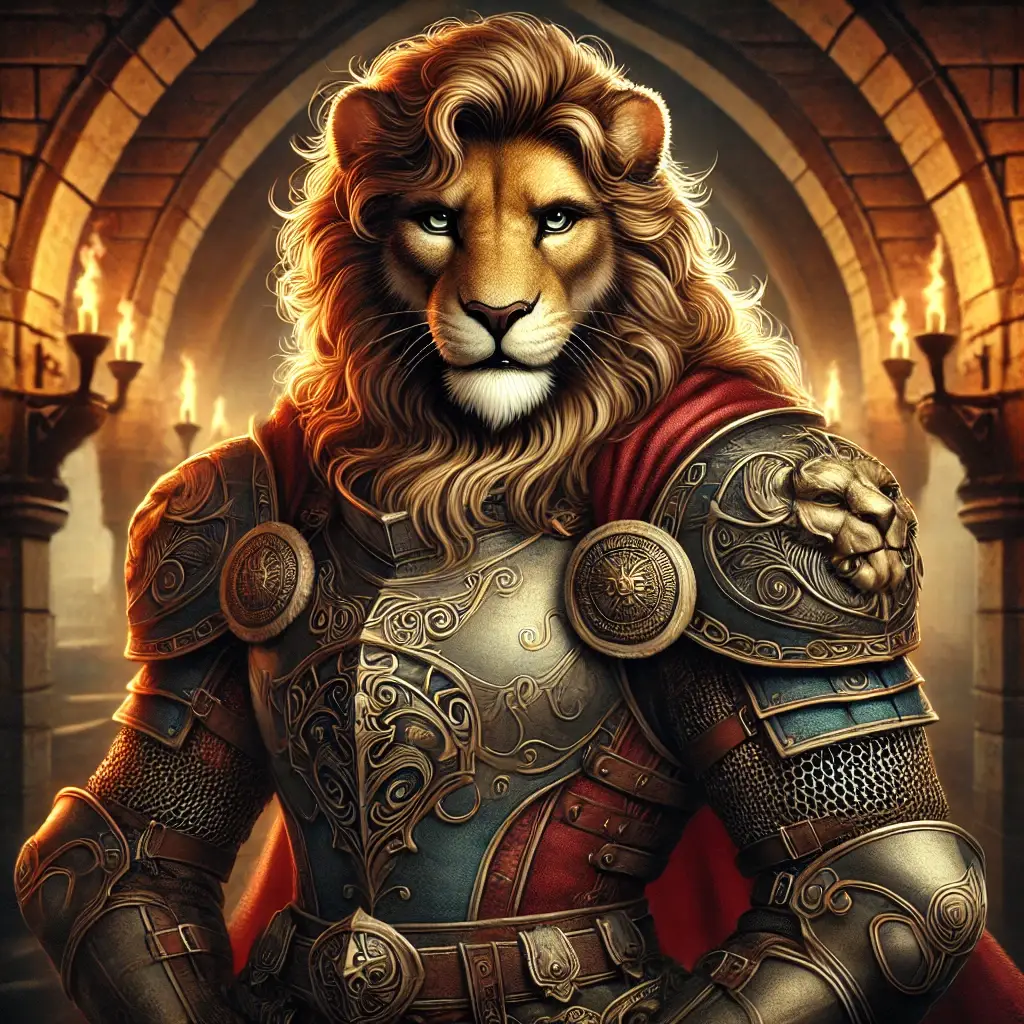
Catfolk
Curious and gregarious wanderers, catfolk combine the features of felines and humanoids in both appearance and temperament. They enjoy learning new things, collecting new tales and trinkets, and ensuring their loved ones are safe and happy. Catfolk view themselves as the chosen guardians of natural places in the world and are often recklessly brave, even in the face of overwhelming opposition. They believe that strong communities, breadth of experience, and continual self-improvement aid them in this fight.
As quick as their reflexes are, catfolk have quicker tempers, shifting from effusive glee to aggrieved fury in an instant. Like mundane felines, catfolk involuntarily purr when pleased and growl when surprised or angry.
If you want a character who is curious, brave, friendly, and nimble in body and mind, you should play a catfolk.
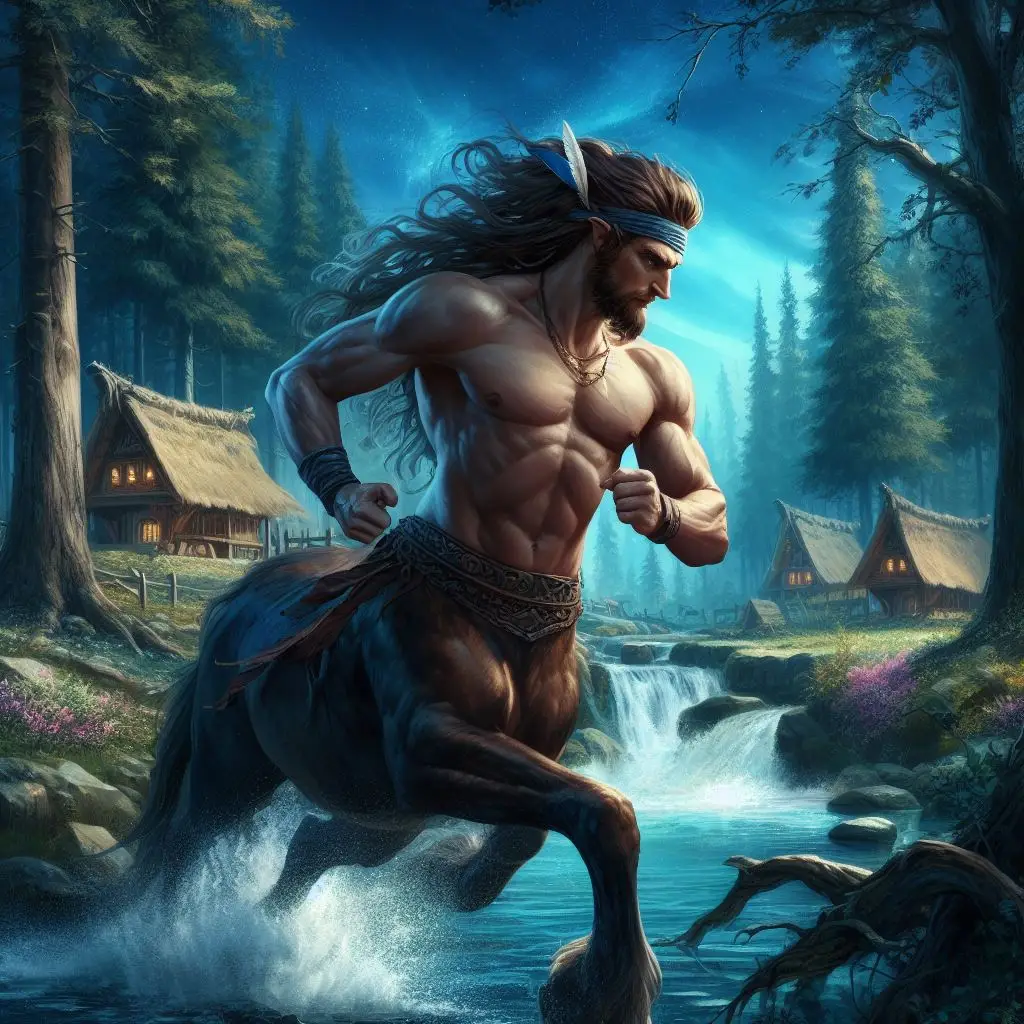
Centaur
Centaurs are proud nomads who range far and wide across their ancestral territories, protecting their lands from exploitation and intrusion. They are survivalists who forge tight bonds with family and community and stand firm in the face of danger. Many are skilled hunters, trackers, and warriors who do battle with bow, steel, and hooves. Brave and stubborn, they’re willing to challenge even the fiercest foes and largest forces to protect their homes, kin, and the land within their domain.
As hunter-gatherers, centaurs rely upon the bounty of the natural world for sustenance. As youths, they’re taught to nurture and respect their surrounding ecosystems so the land remains healthy and bountiful throughout their lives and is preserved for future generations. Centaurs understand that a land exploited or despoiled is a land unfit for survival, just as a herd overhunted dies off. In the ancient past, such carelessness and greed resulted in malnutrition, famine, and loss of territory, and most centaurs are careful not to repeat the mistakes of their distant forbears. Thus, centaurs prefer to adapt to their surroundings, rather than abuse their environments for their own comfort. They’re guardians of nature, and their beliefs lead them to clash with careless urbanites and expansionists over exploitative and dangerous practices, including overhunting, overlogging, pollution, and city development.
Centaurs are happiest when mobile, and many feel restless or fall ill if cooped up or sedentary for too long. They’re fond of racing and athletics, and are aggressively competitive, always striving to best their previous achievements and to outdo their fellows. This often results in centaurs being judged as contentious and boorish by outsiders. Most centaurs enjoy physical contests, particularly team sports, and award small but valued tokens to victors—though for many centaurs, bragging rights are the greatest prize of all. Not all centaurs compete as athletes, but most centaurs enjoy exertion and take naturally to activities that get their blood pumping and their heart racing.
If you want to play a character who runs free and proud, always looking out for their companions, you should play a centaur.
Dwarf
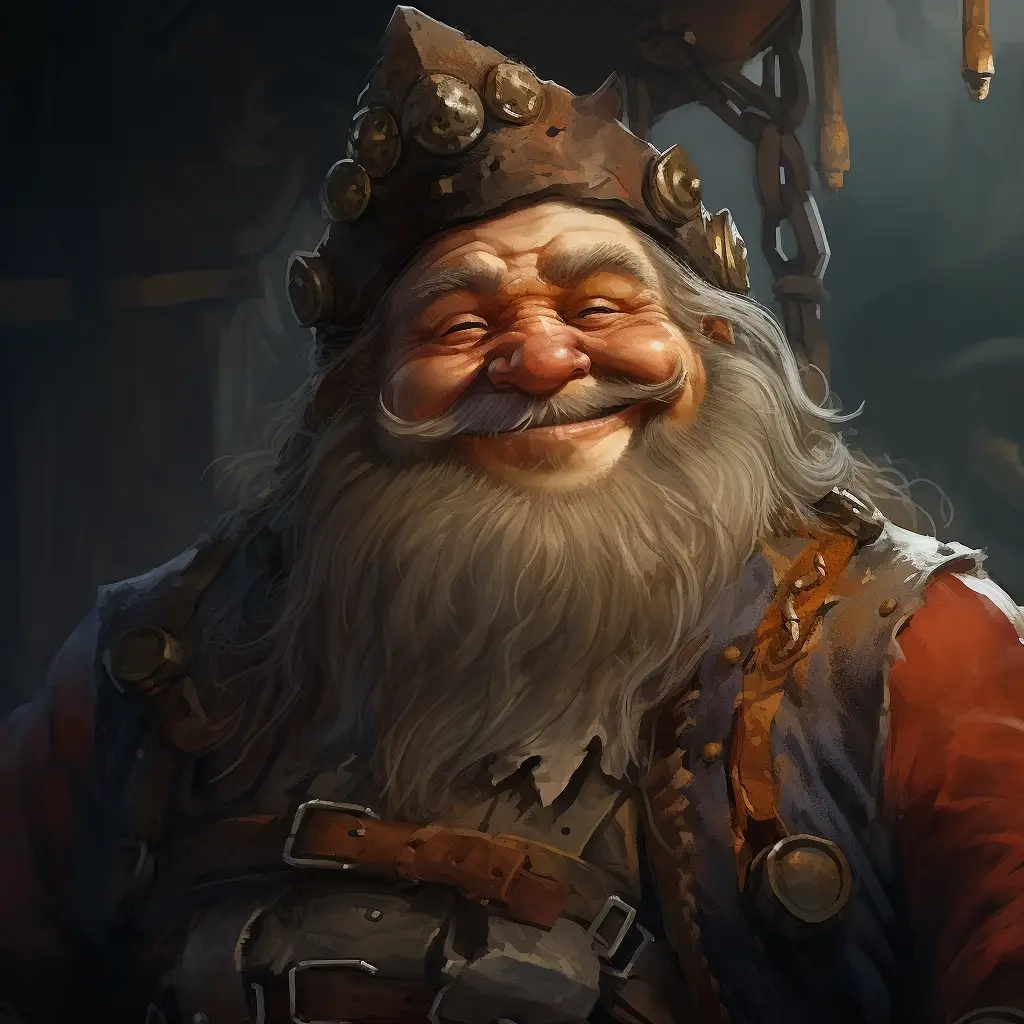
Dwarves have a well-earned reputation as a stoic and stern people, but they also have an unbridled zeal and deeply value artisanship. To a stranger, they can seem untrusting and clannish, but to their friends and family, they are warm and caring. While trust from a dwarf is hard-won, once gained it is as strong as iron.
If you want to play a character who is as hard as nails, a stubborn and unrelenting adventurer, with a mix of rugged toughness and deep wisdom, you should play a dwarf.
Elf
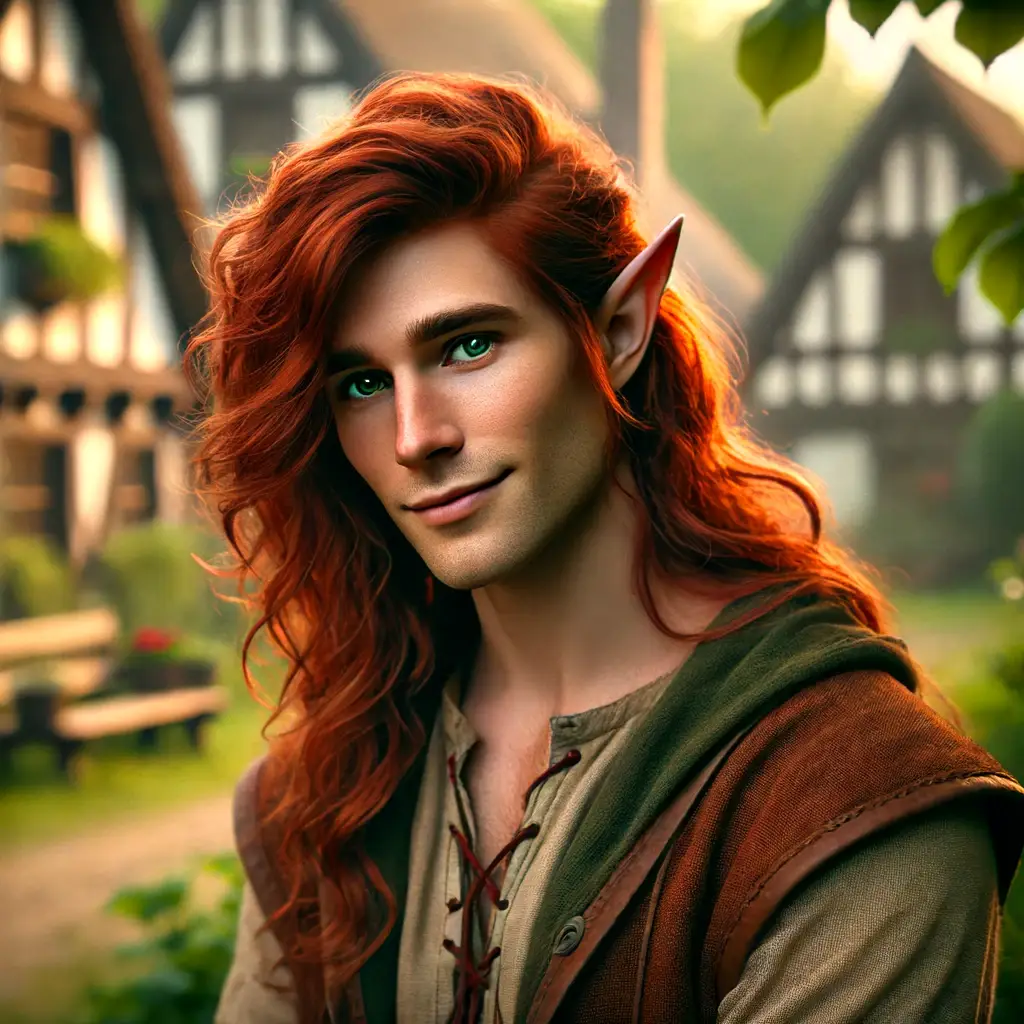
As an ancient people, elves have seen great change and have the perspective that can come only from watching the arc of history. After leaving Golarion in ancient times, they returned to a changed land, and they still struggle to reclaim their ancestral homes. Elves value kindness, intellect, and beauty, with many elves striving to improve their manners, appearance, and culture. Their studies delve into a level of detail that most shorter-lived peoples find excessive or inefficient. Elves are often rather private people, steeped in the secrets of their groves and kinship groups. They’re slow to build friendships outside their kinsfolk, as elves who spend their lives among shorter-lived peoples often become morose after watching generations of companions age and die. These elves are known as Forlorn among their fellow elves.
If you want a character who is magical, mystical, and mysterious, you should play an elf.
Gnome
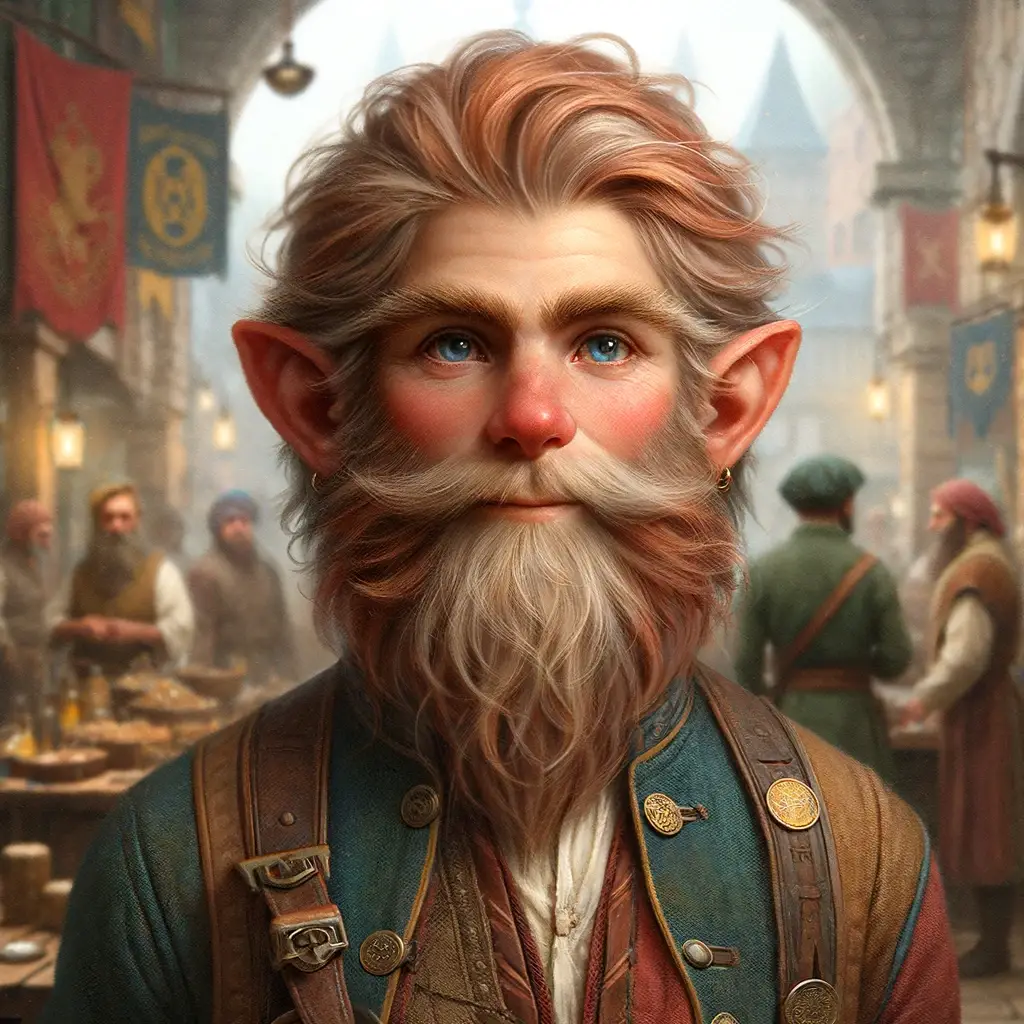
Long ago, early gnome ancestors emigrated from the First World, realm of the fey. While it’s unclear why the first gnomes wandered to Golarion, this lineage manifests in modern gnomes as bizarre reasoning, eccentricity, obsessive tendencies, and what some see as naivete. Always hungry for new experiences, gnomes constantly wander both mentally and physically, attempting to stave off a terrible ailment that threatens all of their people. This affliction, known as the Bleaching, strikes gnomes who fail to dream, innovate, and take in new experiences. The Bleaching slowly drains the color—literally—from gnomes, and it plunges those affected into states of deep depression that eventually claim their lives. Very few gnomes survive this scourge, becoming deeply morose and wise survivors known as bleachlings.
If you want a character with boundless enthusiasm and an alien, fey outlook on morality and life, you should play a gnome.
Halfling
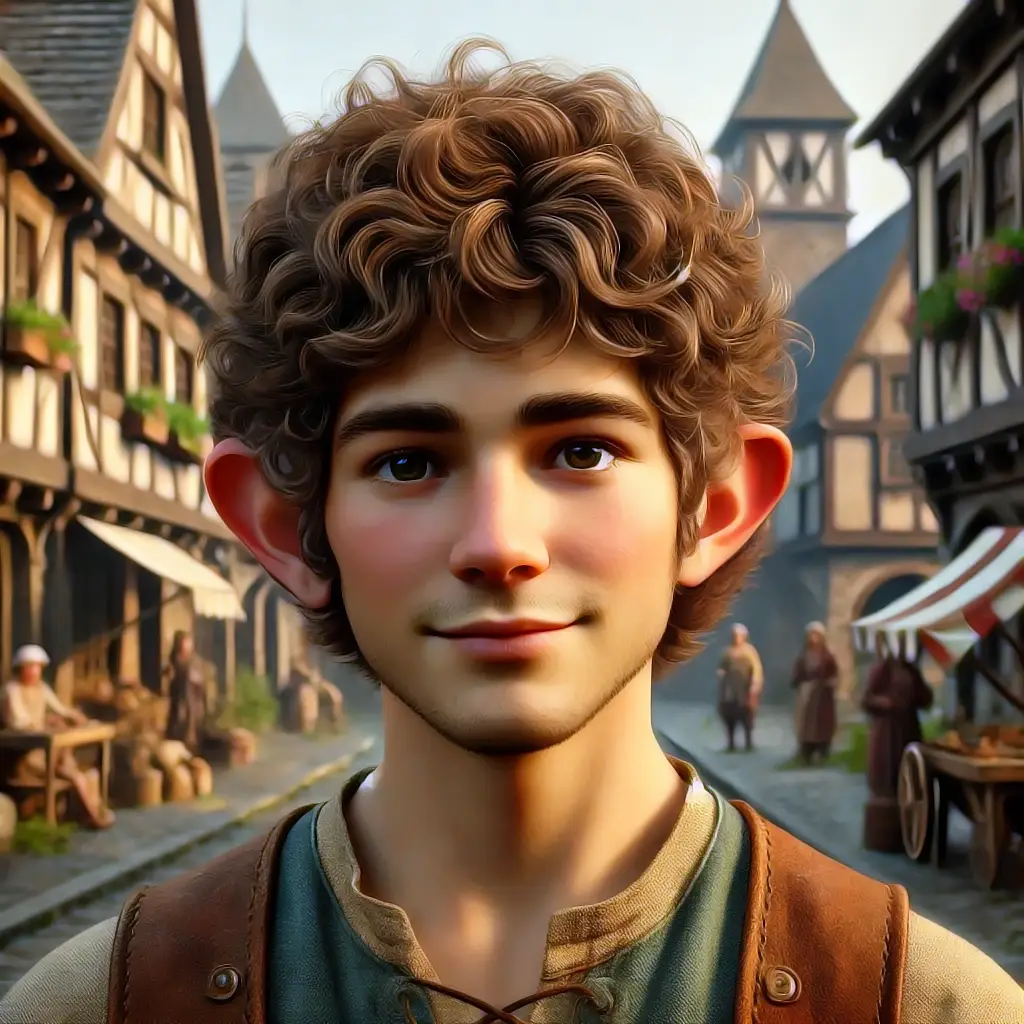
Claiming no place as their own, halflings control few settlements larger than villages. Instead, they frequently live among humans within larger cities, carving out small communities alongside taller folk. Optimistic, cheerful, and driven by powerful wanderlust, halflings make up for their short stature with an abundance of bravado. At once excitable and easygoing, halflings are the best kind of opportunists, and their passions favor joy over violence. While their curiosity sometimes drives them toward adventure, halflings also carry strong ties to house and home.
If you want to play a character who must contend with these opposing drives toward adventure and comfort, you should play a halfling.
Human
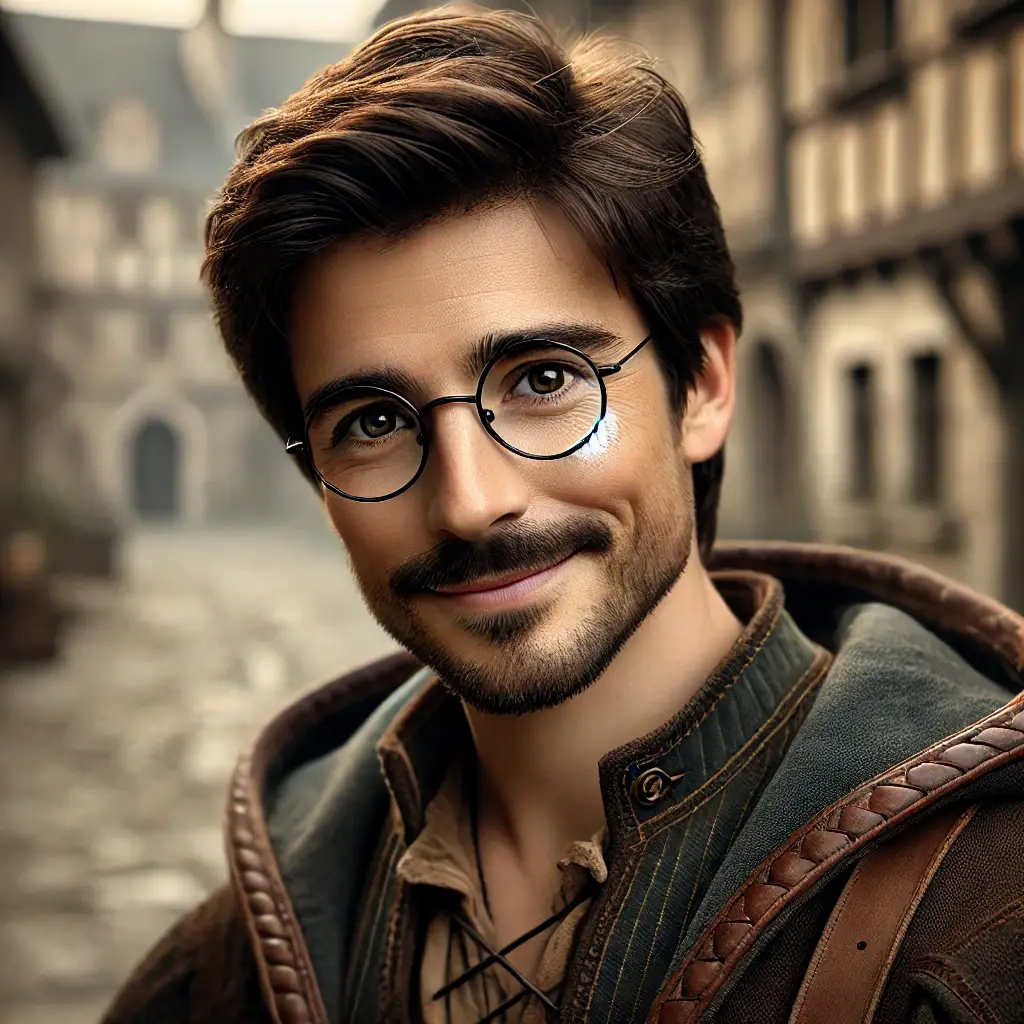
As unpredictable and varied as any of Golarion’s peoples, humans have exceptional drive and the capacity to endure and expand. Though many civilizations thrived before humanity rose to prominence, humans have built some of the greatest and the most terrible societies throughout the course of history, and today they are the most populous people in the realms around the Inner Sea.
Humans’ ambition, versatility, and exceptional potential have led to their status as the world’s predominant ancestry. Their empires and nations are vast, sprawling things, and their citizens carve names for themselves with the strength of their sword arms and the power of their spells. Humanity is diverse and tumultuous, running the gamut from nomadic to imperial, sinister to saintly. Many of them venture forth to explore, to map the expanse of the multiverse, to search for long-lost treasure, or to lead mighty armies to conquer their neighbors—for no better reason than because they can.
If you want a character who can be just about anything, you should play a human.
Kholo (Gnoll)
Kholo have bad reputations as brutal raiders and demon-worshipers. Many believe that kholo are witches, cannibals, and worse. The truth is more complex. Kholo are eminently practical and pragmatic hunters and raiders. To them, honor is just another word for pointless risk. Any loss of a kholo affects not just the individual, but their packmates and kin as well. Wasting time on anything but victory, whether it’s mercy or cruelty, is seen as little shy of immoral. Kholo are masters of ambushes, tactical feints, and psychological warfare. Equally misunderstood is the kholo practice of ancestor worship and endocannibalism. Kholo consume their dead as a sign of reverence, holding a grand feast and transforming the bones into art or weapons. Kholo extend this honor to respected foes, hoping to bring their enemy’s cunning or strength into the clan.
Kitsune
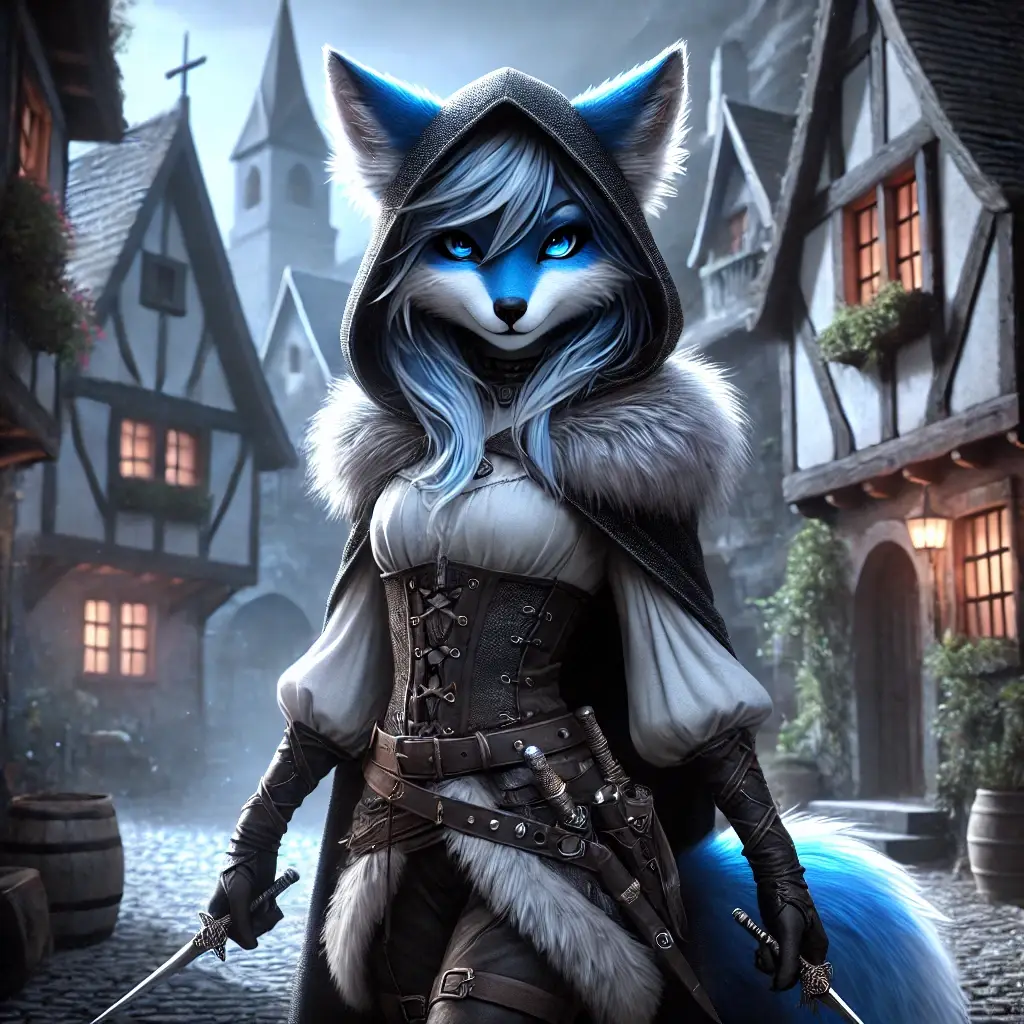
Kitsune are a charismatic and witty people with a connection to the spiritual that grants them many magical abilities, chiefly the power to shapechange into other forms. Whether they pass unseen among other peoples or hold their tails high, kitsune are clever observers of the societies around them.
Kitsune are shapechangers with two forms: one of a fox-headed humanoid and one largely depending on where they were raised. Those raised in populated areas typically have what's called a tailless form—a humanoid body without any fox features that resembles a more common ancestry, such as an elf or a human. In wooded or rural areas, their second form is more likely to be that of a fox.
Though all-kitsune settlements exist, most live among people of other ancestries, granting them a degree of external insight into social rules or dynamics that others process only subconsciously. Kitsune enjoy subverting expectations as much as they do going along with them. Their fondness for jokes, stories, and wordplay, especially when the twist of a riddle hinges on the listener's assumptions, reinforces their reputation as tricksters.
With dual forms and a connection to both the material and spiritual worlds, kitsune have diverse concepts of self and identity. Some even view their forms as separate individuals altogether, using them to explore different aspects of their personality.
If you want to play a character with innate magical talents and countless hidden facets, each revealed with a glint of the eye and a twisting grin, you should play a kitsune.
Minotaur
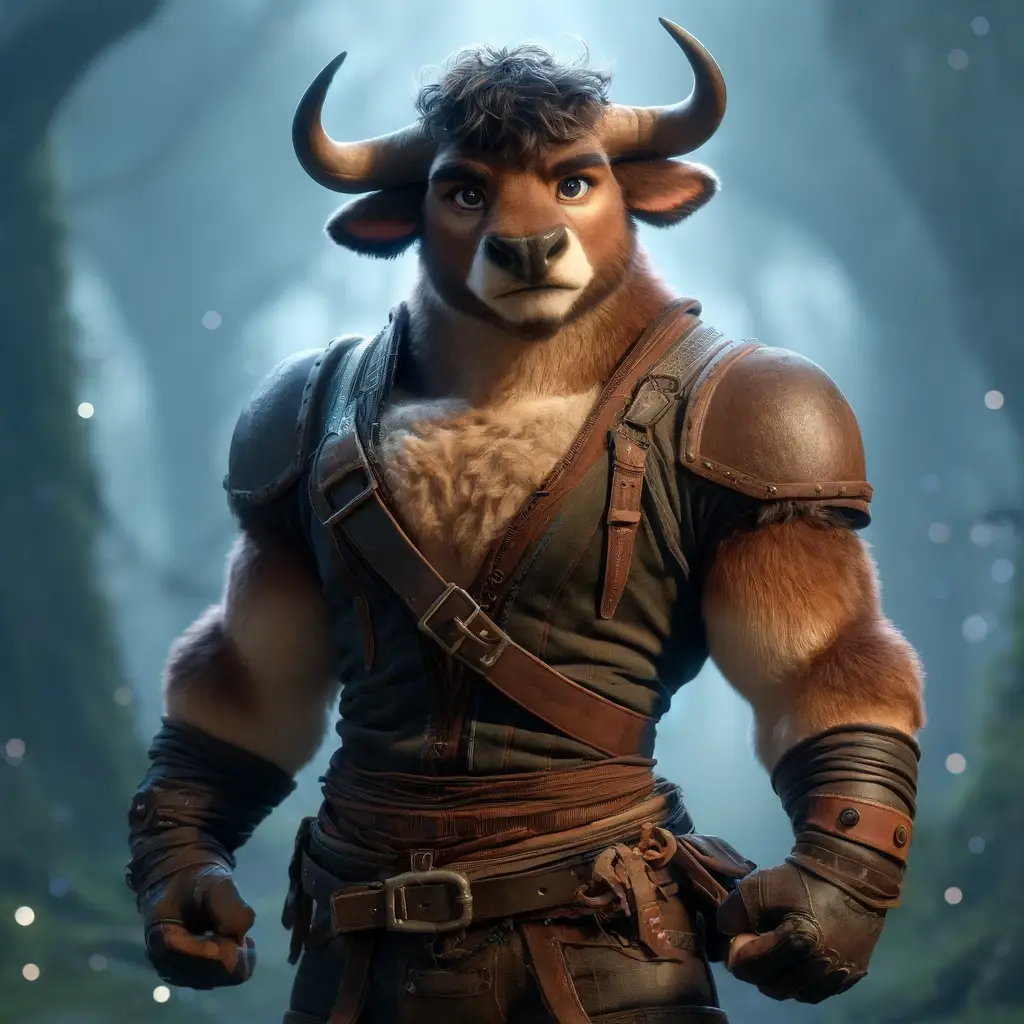
Minotaurs stalk complex passageways, whether natural or artificial, and are masters of stone architecture. Inquisitive and steadfast, these bovine humanoids spend their lives perfecting the pursuit that calls to them, which can sometimes lead them far from the enclaves where they were raised. Minotaurs are originally from the Iblydos archipelago but have spread far and wide across Golarion, forming close-knit communities often near mountains or beneath the surface of the earth. Though sometimes mistaken for simple brutes, minotaurs have scholars and warriors alike. Those who can look past their appearance will find an affinity for building and navigation, as well as creative problem-solving.
The myth many minotaurs tell of their origins is one of craft, curses, and misunderstanding. Millennia ago, Iblydos was filled with living deities who walked among and ruled the mortal people. A stonemason named Tavdrinos, admired by mortals and hero-gods alike, received a vision from a hero-god to create a glorious temple, though the myth doesn’t name which one. The mason found the images of the vision murky: scrambled glimpses of twisting columns, charging bulls, and a defiant stand made by an unknown figure. It was hardly a detailed commission, but one does not refuse a divine order. The mason labored for 17 years before his task was done. The three-story temple celebrated the glory of the hero-god and their sacred animal, the bull. Upon the hero-god’s arrival, Tavdrinos expected to be met with praise and congratulations, but the deity flew into a rage instead. Tavdrinos had misunderstood the vision, for the bull was a hated beast, not a celebrated ally. As punishment for this accidental insult, the hero-god cursed Tavdrinos with the hated shape of the bull. Angered by both the curse and his failure to please the deity, the mason retreated to a series of caves under the temple, where he continued his work as the first minotaur.
If you want to play a character with strength of body, who expresses themselves through craft more than words, you should play a minotaur.
Nagaji
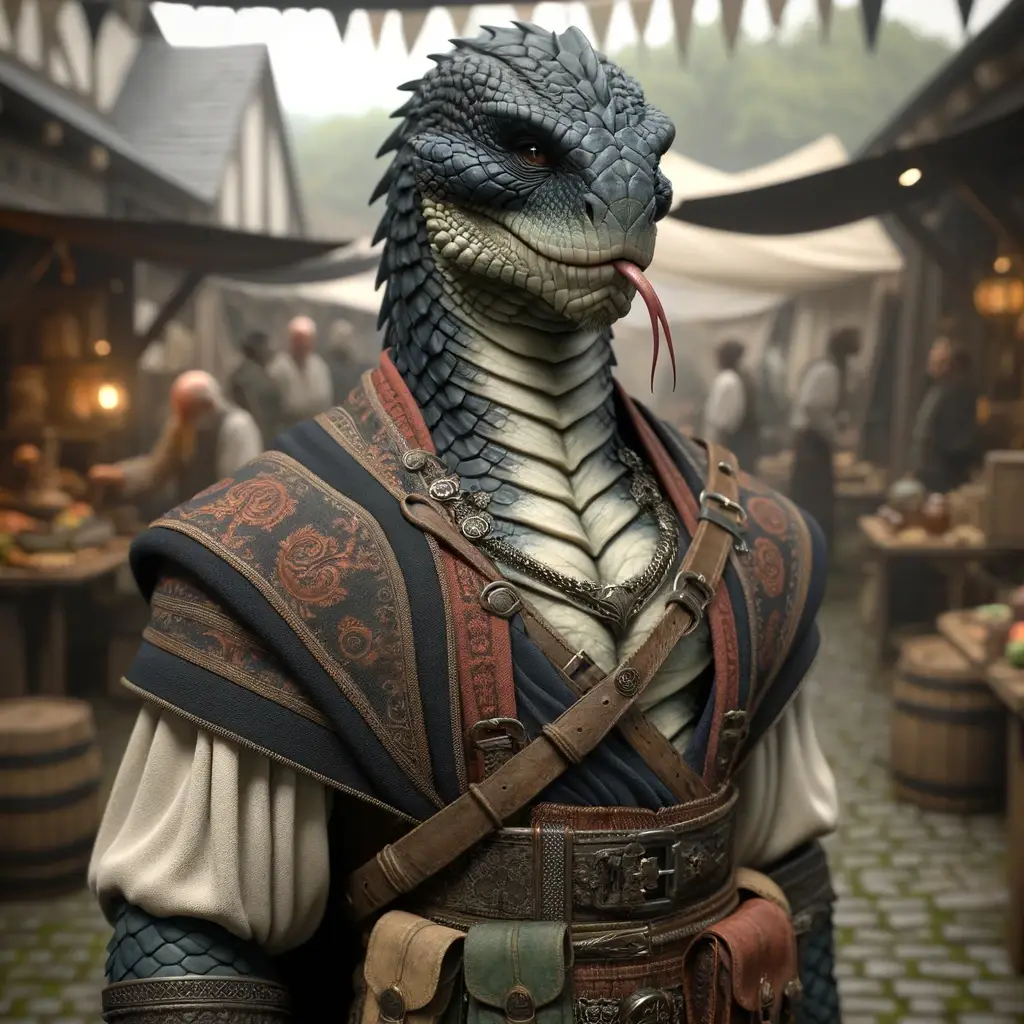
With humanoid figures and serpentine heads, nagaji are heralds, companions, and servitors of powerful nagas. They hold a deep reverence for holy areas and spiritual truths, an aspect many others find as intimidating as a nagaji's appearance.
Nagaji are creations of the goddess Midorihama, who was inspired by both humans and nagas. This inspiration, alongside nagaji's devotion to nagas, has led many to claim nagaji were created to be servants. However, Midorihama created nagaji simply for the sake of creating. She envisioned a world where nagas and nagaji worked together to succeed, with nagas serving as sacred guardians, and nagaji living as mortals upon Eldranis, respecting nagas for their strength and wisdom. Nagaji live up to this expectation, forming nations, temples, and villages with as many varied governments, societies, and traditions as there are scales on a serpent's back. If nagaji can be said to share any trait, it's devotion, be it to a community, a temple, a concept, or a lifestyle. Most nagaji are also drawn to the spiritual in all its expressions, even the darker aspects of philosophies and religions.
If you want a character who combines the crushing strength and the sinuous mystery of a serpent, you should play a nagaji.
Sprite
Sprites are diminutive, whimsical, and exuberant creatures from the fey realm. They love playing pranks, exploring new things, and embracing everything to do with magic.
When most people picture a fey, chances are they're thinking of a sprite. The majority of sprites remain in the fae realm, where they are essentially immortal, reincarnating to a new form of fey when their life eventually comes to an end. Some even meld together with others to form a more substantial body or split apart into multiple smaller fey. However, sprites are incredibly curious about all forms of magic, leading a significant number to risk the mortal world to explore the new possibilities offered by the unusually static nature of mortal existence. These creatures mix in with other, smaller groups of Material Plane comrades, including exiles from the fae realm, those whose family swore pacts to mortals, and even contemplative individuals curious to enter the mortal cycle of souls.
The first generation of Material Plane sprites were content to guard magical locations or objects, learn music, and play pranks on the unsuspecting. Panic struck when children born in the mortal world didn't form wings upon adulthood—some sprites transitioning to the mortal world likewise lost their wings after a time. Believing this to be a sign that the mortal world was too alien for them to live there, many of the initial sprite explorers returned to the safety of the fae realm.
However, their wingless children exhibited a potential unmatched by any of their ancestors, as well as a particular magical affinity for the mortal world. They became the mightiest of sprite heroes, but also, on occasion, the most dangerous villains. As they came close to reaching their full strength, many of them did grow their wings at long last: larger, unique, and more vibrant than any from the fae realm had seen before, a sign of their limitless potential.
If you want a character who is tiny, mercurial, and curious, you should play a sprite.