
❝ Blessed be the man who aids a khánid, and cursed be the one that who undermines one. Their kind remembers what happened millenias ago, what makes you think they won't remember what you did? ❞
— Hojo Hanzo, mercenary in service to Lord Chertán Rákocz
The Khánids are the oldest human-dominated culture on the face of the continent. Arriving millennia ago, their way of life has been shaped by war, triumph, and defeat, creating a tough group of people who can live through any trouble life throws at them.
Hard labor, devotion, and well-earned free time make up most of the average khánid's day. The people believe in one God and make sacrifices to him daily, though it would be rare to find the deity in their prayers, as those are mainly made towards his cohort of angels.
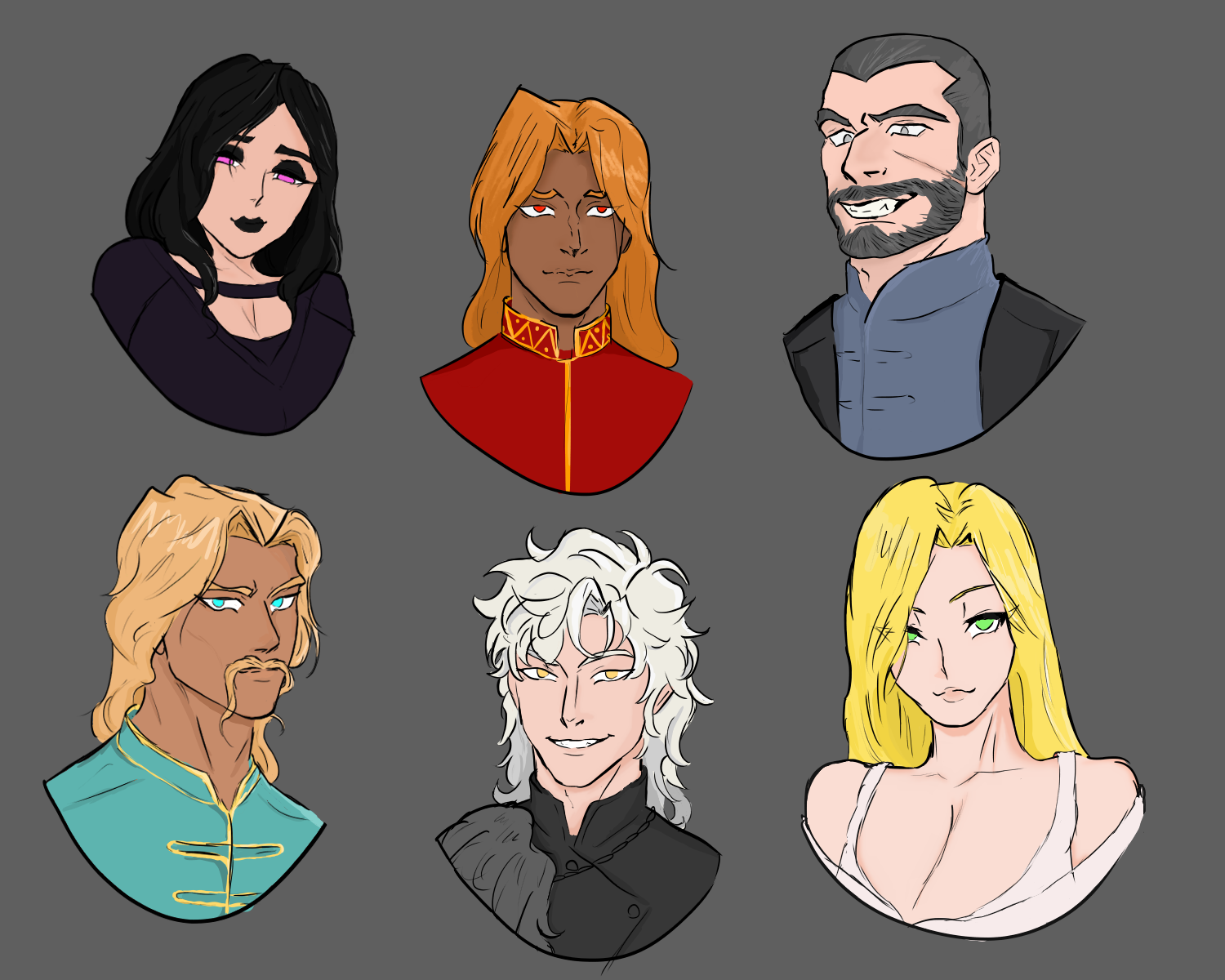
Khánids are separated into six clans, each with its own outlook on the world and history with the other clans. The six clans are:
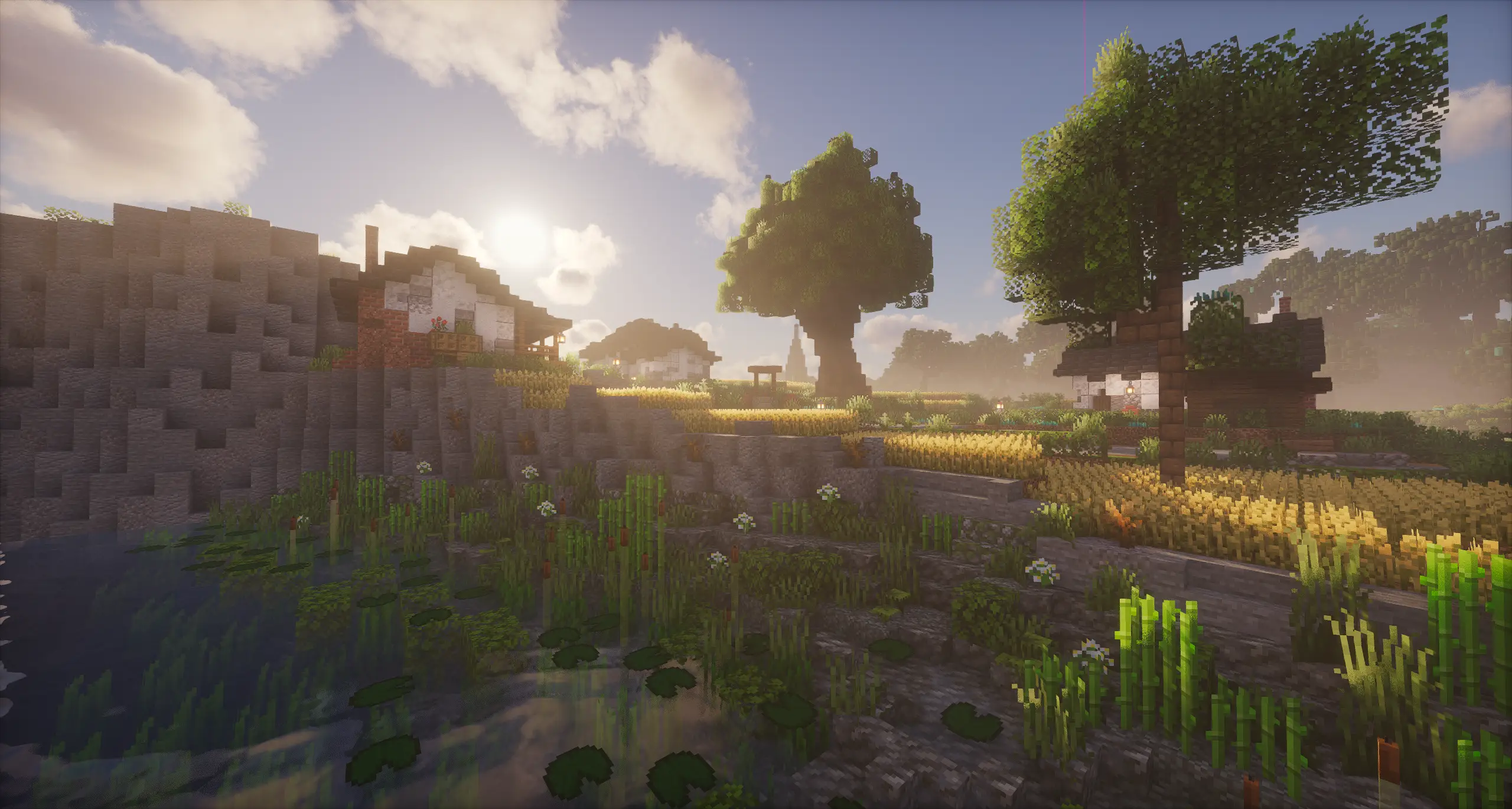
Clan Kel: Nestled in the valley of the riverlands, the Levs are well known for their forocious cavelry force and vast fields. Having the largest population amongst the clans, the might of the clan is nothing to be laughed at, though their minor isolationist outlook towards the rest of the world limits them. To reflect their relaxed way of life, the clan picked the mighty elk as their sigil.
Clan Lev: Living in the highlands of the Northern border region, the clan has taken as their sigil the cavelions of the region. They are well known for their flowing ginger hair and abundance of mines in their lands.
Clan Sóky: Navigating the waters at the mouth of the khánid sea, the members of the Sóky clan are well known for their trade and maritime power, holding the largest population center on the continent, the city of Zagrád. Their outlook reflects their free trading ways, accepting anyone and everyone if they can co-exist with the clan. The clan picked a common and mighty creature in their area, the elegant griffin.
Clan Lóky: The roughest and most feared among the Khánids, it is said that a single Lóky can hold off two of any of the other clans. Living in the frigid Southern Borderlands, the clan members are tough and strong, raised to force their way through any problem they face. To show their might, the clan chose the bear as their sigil.
Clan Wölk: Settled in the dense Black Forest. The clan has taken the region's apex predator as their sigil, the direwolf. Which doesn't help their "lone-wolf" reputation amongst the other Khánids, often only trusting in their fellow clan members.
Clan Sas: Living in the vast fields of the Hinterlands, the members of the clan have developed a highly enlightened view, not having a dividing line between clan members, whether they be the Gróf or just a common herder. This also reflects their way of choosing a leader, as, unlike everywhere else, here it is elected, not inherited. To represent their free nature, the clan chose the eagle as their sigil.
𝐂𝐡𝐚𝐫𝐚𝐜𝐭𝐞𝐫 𝐂𝐫𝐞𝐚𝐭𝐢𝐨𝐧
Naming Conventions | ||
Male | Female | Unisex / Ambiguous |
|
|
|
Backgrounds | |
Common Life Paths | Typical Traits |
|
|
These are merely common archetypes observed among their people; players are free to depart from them and portray a character uniquely their own. |
𝐀𝐧𝐜𝐞𝐬𝐭𝐫𝐚𝐥 𝐕𝐚𝐫𝐢𝐞𝐭𝐲
Ancestry | Presence | Attitude |
|---|---|---|
Very Common | Accepting | |
Rare | Skeptical | |
Rare | Accepting | |
Common | Accepting (Conditional) | |
Rare | Skeptical | |
Uncommon | Accepting | |
Rare | Skeptical | |
Uncommon | Accepting | |
None | Unknown |
𝐅𝐚𝐢𝐭𝐡 & 𝐖𝐨𝐫𝐥𝐝𝐯𝐢𝐞𝐰 (𝐒𝐮𝐦𝐦𝐚𝐫𝐲)
Varjuism is the common religion amongst the Khánids, practiced by over 90% of the population. In their view, everything was made by a singular God, Tengri, who was killed by his right hand man, an angel named Hadúr. After his death, only his soul remained which is channeled through magic, may it be in any form.
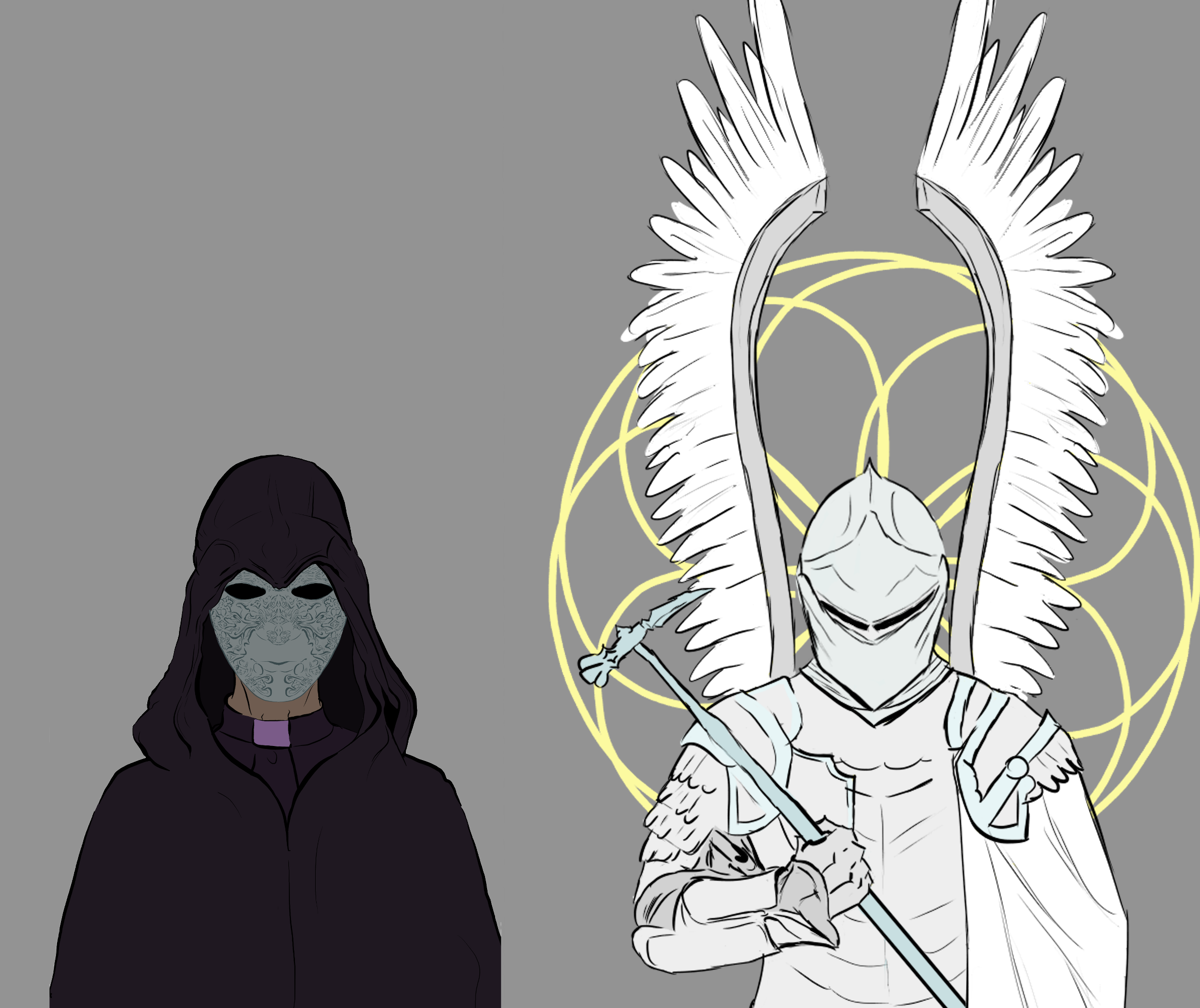
The faith is led by the head of the Varjuist church, the Pontiff, who is revered as the "Word of God" themself. Church members are forced to cover their faces while doing the Lord's work. Priests and Priestesses are seen wearing masks, often even outside sermons, whilst Paladins are seen with helmets on almost constantly. Priests and Priestesses are seen by the common people as second parents, while Paladins are seen as big siblings.
In regular worship, it is rare to hear the name of God, as most prayers go towards the countless angels of the angelic army. Worshipers often pray for good weather and a healthy life.
𝐏𝐨𝐥𝐢𝐭𝐢𝐜𝐬 & 𝐅𝐨𝐫𝐞𝐢𝐠𝐧 𝐑𝐞𝐥𝐚𝐭𝐢𝐨𝐧𝐬 (𝐒𝐮𝐦𝐦𝐚𝐫𝐲)/d
Culture | Perception |
|---|---|
Seishin | The isolationist people are seen as the most alike of all the Nowpri, respecting the will of the people and showing warmth towards any of them they meet. |
Kerinya | Recent history between the two people brings out both warmth and hate from the Khánids, but nowadays the relationship between the two cultures remains cordial. |
Sarnevalians | Khánids don't hold much, if any, view on them, mainly viewing them as merchants and nothing more. |
Selkotai | The oldest of the Nowpri, the khánids, formed a view of indifference towards them, mainly due to their lack of major interaction. |
𝐐𝐮𝐢𝐜𝐤 𝐑𝐞𝐟𝐞𝐫𝐞𝐧𝐜𝐞
Common Greeting: Servus, Sirvet
Common Farewell: Svorhem, Gracz
Dress: Depending on the region, it may range from thick leather to flowing silks, even. In all regions, however, some animalistic element, typically representing one's clan animal, is always present.
Body Art: No tradition exists for body art.
Architecture: Buildings are made of brick, from the poorest farmer to the Grófs of clans. Stacked upon eachother in levels to create shops or more living space. For religious or more important structures its often observed that they extend towards the sky, as if the building itself was reaching for heaven
Cuisine: Spicy, Meaty
Symbols: Turul bird, Burning heart, Sun, Twin Crows
For full historical, religious, and cultural detail, see Expanded Canon.