Quick Navigation
𝐈. 𝐍𝐚𝐦𝐞𝐬, 𝐋𝐚𝐧𝐠𝐮𝐚𝐠𝐞, 𝐚𝐧𝐝 𝐈𝐝𝐞𝐧𝐭𝐢𝐭𝐲
𝐄𝐧𝐝𝐨𝐧𝐲𝐦𝐬 & 𝐄𝐱𝐨𝐧𝐲𝐦𝐬
Seishin (清新)
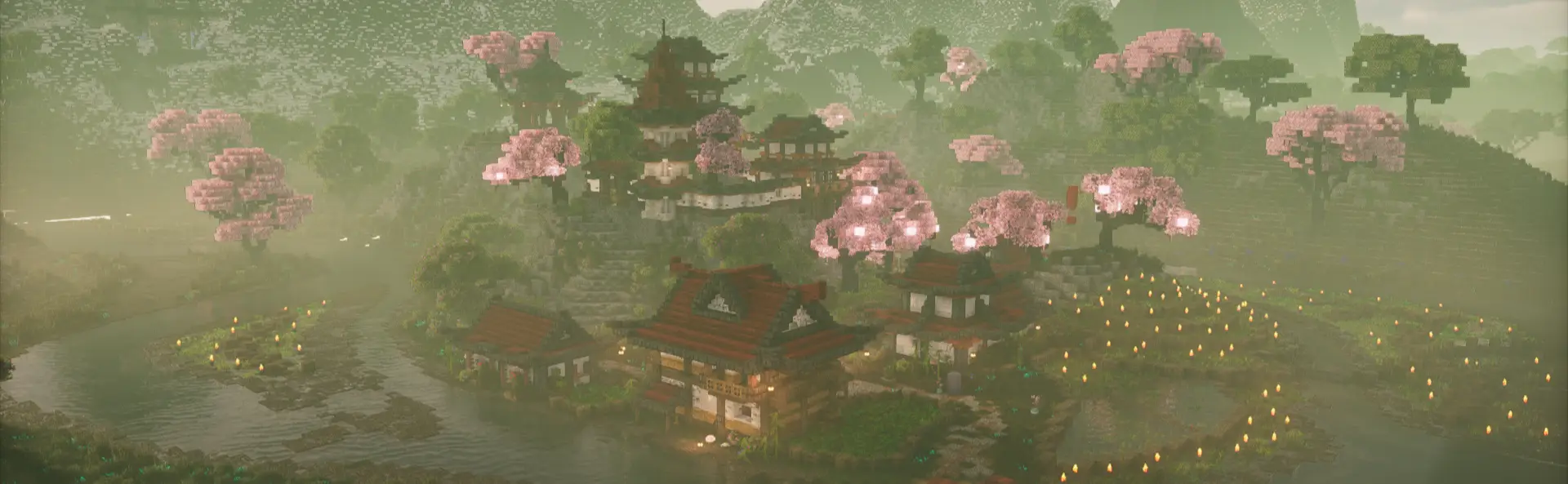
The Seishin, meaning fresh or new, is a recently coined term to describe the citizens of Shinryoku, a collection of people who migrated to Nimoria from the eastern island of Koushima during the Great Exile. While the majority of the Seishin are of Koujin descent, there are a few who hail from neighboring regions. Despite their differences, if there are a few things they all share in common, it is their diligence, humility, respect for nature, and strive for harmony.
Koujin (衡人)
Meaning "equivalence" (衡) and "person/people" (人), the Koujin are the natives of Koushima. They make up the grand majority of the Seishin, being the primary faces and leaders of the exile.
Tianren (天人)
Meaning “heavenly” (天) and “person/people” (人), the Tianren are the natives of Tianzhou. Only a rare few have sided with the Seishin during the events of the Great Exile, but even they still find it difficult to stave off the weary looks of their peers.
Hyeon-in (현인)
Meaning “prosperous” (현) and “person/people” (인), the Hyeon-in are the natives of the Hyeon Kingdom. Having lost sovereignty of their homeland after its annexation by the Tian Empire, many decided to join the Seishin on their expedition in hopes of safety.
𝐋𝐚𝐧𝐠𝐮𝐚𝐠𝐞
The primary language spoken by the Seishin is Kougo (衡語), its earliest developments dating back to over 1500 years ago from the outskirts of the now-fallen kingdom of Hyeon before splitting off, following migration to the island of Koushima. While the written form of Kougo borrows its poetic and context-dependent complexity from the ancient Yu (语) language of Tianzhou, much of spoken Kougo tends to be simplistic in both its syllable structure and tonal system.
To many, the sound of Kougo is choppy yet even-paced, with pitch changes being one of the few signifiers of conversational meaning, resembling the Seishin’s need for balance and controlled expression in the way they conduct themselves socially.
Less common languages among the Seishin include Yu, as aforementioned, and Ttangmal (땅말).
𝐖𝐫𝐢𝐭𝐢𝐧𝐠 𝐒𝐲𝐬𝐭𝐞𝐦
The script of Kougo is referred to as Kana (仮名), borrowing from Yu characters and simplified for use by the common people. Rather than using separate letters, each symbol in Kana represents either a vowel or syllable, with the exception of the nasal consonant -n.
Some words are condensed down into a single character directly from the Yu alphabet for ease of reading, sometimes being combined with others to form new words and pronunciations. There are over 50,000+ of these characters that exist, although only a small fraction of this amount is commonly used.
Common | Kana |
|---|---|
a, i, u, e, o | あ, い, う, え, お |
ka, ki, ku, ke, ko ga, gi, gu, ge, go | か, き, く, け, こ が, ぎ, ぐ, げ, ご |
sa, shi, su, se, so za, ji, zu, ze, zo | さ, し, す, せ, そ ざ, じ, ず. ぜ. ぞ |
ta, chi, tsu, te, to da, ji, zu, de, do | た, ち, つ, て, と だ, ぢ, づ, で, ど |
na, ni, nu, ne, no | な, に, ぬ, ね, の |
ha, hi, fu, he, ho ba, bi, bu, be, bo pa, pi, pu, pe, po | は, ひ, ふ, へ, ほ ば, び, ぶ, べ, ぼ ぱ, ぴ, ぷ, ぺ, ぽ |
ma, mi, mu, me, mo | ま, み, む, め, も |
ya, yu, yo | や, ゆ, よ |
ra, ri, ru, re, ro | ら, り, る, れ, ろ |
wa, wo | わ, を |
n | ん |
𝐂𝐨𝐦𝐦𝐨𝐧 𝐕𝐨𝐜𝐚𝐛𝐮𝐥𝐚𝐫𝐲
Common | Kougo | Notes / Etymology |
Greetings & Farewells | ||
Hello | Yo | An informal greeting typically reserved for close friends. |
Bye | Jaa ne (casual), Genki de (polite), Gokigenyou (formal) | "Genki de" means to take care. "Gokigenyou" means to remain in high spirits. |
Good Morning | Ohayou | Used when waking up or greeting someone during the early mornings. |
Good Afternoon | Konnichiwa | Often the common greeting for most hours of the day. |
Good Evening | Konbanwa | Shares the same prefix "Kon-" (今), meaning "now." |
Good Night | Oyasumi | A farewell shortly before slumber. |
Affirmation & Courtesy | ||
Yes | Hai (formal), Un (informal) | An enthusiastic and quick response. |
No | Iie, Uun (informal), Enryo suru (formal) | Despite being the most direct way of saying no, "Iie" is the harshest. "Uun" is more casual, while "Enryo suru" is more polite. |
Thank you | Arigatou | Often accompanied with a bow or praying motion. |
Please | Onegaishimasu (formal), Kudasai (informal) | "Kudasai" is typically used for directness or urgency. |
To be, it is | Gozaimasu | Placed after a word of greeting, gratitude, or request for politeness and formality. |
Core Nouns | ||
Art | Geijutsu | The lifeblood of many Seishin. A broad word to describe many artistic mediums. |
Beauty | Utsukushii, Kirei | A word used to describe a deep, emotional, poetic beauty. "Kirei" describes surface-level beauty. |
Nature | Shizen | The natural world, including land, sea, and sky. |
Cherry blossom | Sakura | The national symbol of Shinryoku and Koushima. It is sometimes used poetically to symbolize fleeting moments and rebirth. |
Promise, vow | Yakusoku | An arrangement eternal until fulfilled. |
Serenity | Shizukesa | A calm and soothing environment, free from chaos. |
Radiance, brightness | Kagayaki | The brilliance of something, sometimes used to describe a person's aura or presence. |
Additional Verbs & Concepts | ||
To see, look | Miteru, Mite | A basic verb for noticing or observing. |
To eat, eat | Taberu, Tabete | Sometimes used figuratively for consuming something. |
To play (an instrument) | Hiku (strings), Fuku (wind), Tataku (percussion) | A favorite pastime of many. |
To paint/coat, to draw | Nuru, Kaku | "Nuru" is used for painting or applying makeup, while "Kaku" is for sketching. |
To honor, to praise | Sonkei suru, Tataeru | Respect for those who earned it. |
Abstract Concepts & Emotions | ||
Like, passionate love, profound love, falling in love | Suki, Koi, Ai, Renai | Love is described in four different levels. "Suki" is light affection, "Koi" is intense and spontaneous, "Ai" is developed through time, and "Renai" is a combination of the two. |
Mysterious profundity | Yuugen | The latent beauty hidden inside of something, even if it is not actually present. |
Strange, bizarre | Kimyou | Describes odd occurrences, objects, or places. |
Floating world | Ukiyou | The transient lifestyle of commoners seeking escapism from the stress and pressure of society. |
Purpose, passion | Ikigai | The reason why somebody lives. |
Myth & Nature | ||
Deity, spirit | Kami | Divine or supernatural forces beyond understanding. |
Heaven, home of the gods | Tenkai | The birthplace of the Tentsukami, the divine rulers of the world. |
The Earth | Koshiji | The home of all wayfarers and the Koshigami, the long forgotten denizens of the land. |
Underworld, land of the dead | Kuraki-Michi | Where the departed come to be born anew. |
𝐄𝐱𝐚𝐦𝐩𝐥𝐞 𝐂𝐨𝐧𝐯𝐞𝐫𝐬𝐚𝐭𝐢𝐨𝐧
Kougo | Middletongue |
|---|---|
A: こんばんは。お元気ですか? (Konbanwa. Ogenkidesuka?) | A: Good evening. How are you? |
B: 元気です。ありがとう。今日は何してるの? (Genkidesu. Arigatou. Kyou wa nanishiteruno?) | B: I am fine. Thank you. What are you doing today? |
A: 桜を描こうかと考えている。自然は美しい。 (Sakura o egakou ka to kangaete iru. Shizen wa utsukushii.) | A: I am thinking of drawing cherry blossoms. Nature is beautiful. |
B: 素晴らしい!後で三味線を弾くつもりです。 (Subarashii! Atode shamisen o hajiku tsumoridesu.) | B: That's wonderful! I am going to play the shamisen later. |
A: 音楽はいつもあなたの生きがいだったよね? (Ongaku wa itsumo anata no ikigaidatta yo ne?) | A: Music has always been your passion, hasn't it? |
B: うん!じゃあまた後でね、いい? (Un! Jaa mata atode ne, ii?) | B: Yep! I will see you after, okay? |
A: じゃあね。気楽にね。 (Jaa ne. Kiraku ni ne.) | A: Bye. Take it easy. |