Quick Navigation
𝐕𝐈. 𝐌𝐚𝐭𝐞𝐫𝐢𝐚𝐥 𝐂𝐮𝐥𝐭𝐮𝐫𝐞 𝐚𝐧𝐝 𝐀𝐞𝐬𝐭𝐡𝐞𝐭𝐢𝐜𝐬
𝐁𝐨𝐝𝐲 𝐌𝐚𝐫𝐤𝐢𝐧𝐠𝐬
Tattoos were previously seen as a means of punishment before the migration to Nimoria, where the Seishin, who had just begun experimenting with woodblock paintings, started using tattooing as an artistic medium.
Sometimes, tattoos are thought to have the ability to hold spiritual protection, and so many priests and soldiers would tattoo their bodies with warding symbols.
𝐌𝐚𝐤𝐞𝐮𝐩
Paleness was seen as an indicator of wealth and high status, meaning that a person never had to work outside and expose themselves to excessive sunlight.
Entertainers would often paint their faces in pure white, as much of their performances happen indoors with dim candlelight. The lighting offsets the white while also offering natural contouring of the face.
Popularly, those who sought to decorate their face more dramatically would use special face paint to draw different shapes and patterns at the forehead, corners of the mouth, lips, underneath the eyes, or the temples, inspired by the ceremonial makeup practices of old world nobility.
While intricate lines are commonly drawn to emphasize the face's natural features, elements of nature are also painted upon certain areas to draw attention. Many might take it a step further and use a temporary glue to apply real materials to their face such as feathers, flowers, fish scales, paper, gold leaf, and insect wings.
𝐂𝐥𝐨𝐭𝐡𝐢𝐧𝐠 𝐚𝐧𝐝 𝐇𝐚𝐢𝐫
Kimonos, hanfus, and hanboks are three of the most common forms of clothing, but during the Great Exile, many were forced to use Koujin fashion as resources were scarce and time was limited. However, other clothing types have gained a resurgence after the establishment of Shinryoku, allowing for a variety of styles depending on the person.
Hemp or linen-made clothing was common among the less wealthy, while those who had money to spend would be seen sporting silk garments. The type of fabric used for clothing are very colorful and often had depictions of nature patterning the fabric, like ocean waves, flowers, trees, or stars. This craft is so intricate that such a process is a closely guarded craft by the Seishin.
Most commonly, Seishin don wooden sandals called geta (下駄), which are designed for practicality to protect garments from touching the ground. Others who opt for clothing more confined to their body choose to wear embroidered slippers made of silk or straw.
Long hair is usually considered sacred, being associated with youth, longevity, and beauty. It was seen as a precious gift from one’s parents, and as a result, would rarely be cut off after adulthood. The only formal exceptions to this were if one was entering priesthood or being punished for a crime.
In some cases, those in the military would shave only the top of their heads and style the rest in a topknot as a means of keeping helmets steady in battle. This later became a status symbol, specifically for the Koujin.
In their homeland of Koushima, heavy facial hair, such as beards, was originally seen as a symbol of masculinity and honor during the militaristic occupation of the Tianren. Upon fleeing to Nimoria, however, people’s attitudes shifted as they sought to establish an era of peace, now seeing full-fledged beards as barbaric or unclean. Thin mustaches and stubbles soared in popularity due to this fact, often being associated with modernity and sophistication among older gentlemen.
Topknots are very common for Seishin men. More specifically, it was seen as a sign of maturity for the Hyeon-in and Tianren due to the style often being adopted after marriage. Before marriage, boys would typically do their hair in braids, not dissimilar to their feminine counterparts.
Upon migrating to the West, women began inventing newer styles of doing their hair as a way to liberate themselves socially from Tianren influence, with each style being a sign of social and marital status based on complexity. While rounded buns are a common style among the Koujin regardless of marriage, those of Hyeon-in descent would differ by either braiding their hair, letting it loose, or using other simple styles to represent being single.
Hairpins and combs are used decoratively, usually among the wealthy.
𝐀𝐭𝐭𝐫𝐚𝐜𝐭𝐢𝐨𝐧
A person’s physical beauty was highly valued, as people believed that a well-kept appearance was the key to finding harmony and balance in life.
Women often concerned themselves with appearing pallid as a beauty standard, making it a common practice to powder their faces with ground rice, or in more extreme cases, lead and mercury.
𝐀𝐫𝐜𝐡𝐢𝐭𝐞𝐜𝐭𝐮𝐫𝐞
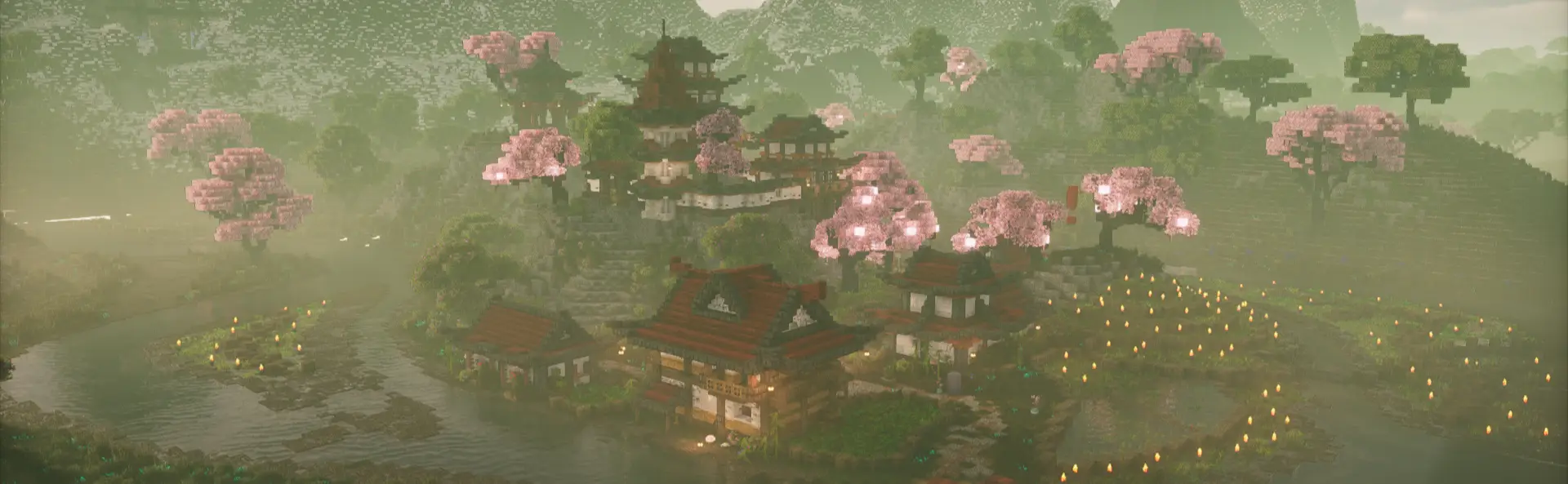
Seishin architecture is defined by their wooden foundations, slight elevation from the ground, and tiled or thatched roofs to support their lives in their native mountainous environment.
𝐀𝐫𝐭𝐬 𝐚𝐧𝐝 𝐂𝐫𝐚𝐟𝐭𝐬
Much of Seishin art focuses on capturing the beauty of the world around them. The waves of the ocean, trees in the wind, and the glittering of the stars are only a few of the artistic subjects used by artists of all kinds. In many other cases, they can also focus on the working life of commoners or the lavish lifestyles of the wealthy, as many believe that all life is beautiful in their own right.
Woodblock prints, known as ukiyo-e (浮世絵), are considered one of the most innovative forms of art in Seishin society, borrowing disciplines and principles seen in the paintings of the Tianren with asymmetrical, colorful patterning and sharply defined linework. Most characteristically, ukiyo-e prints capturing that of a person are often seen with an almost serpentine posture, mimicking the movements of traditional dance forms.
Kabuki (歌舞伎) and bunraku (文楽) theater are two of the most prized cultural forms of performing arts, utilizing elaborate costumes, kumadori (隈取) makeup, traditional dance, and opera singing. The difference between kabuki and bunraku, however, is that kabuki uses real actors and bunraku uses realistic porcelain puppets. Women and men alike may play as either gender’s roles on stage.
Bonsai (盆栽) is the art of growing and maintaining miniature potted trees, having been prevalent in the collective Seishin people’s cultures for hundreds of years. It involves cutting the branches and leaves of the tree, maintaining an aesthetically pleasing shape that can change depending on the caretaker’s desires.
Origami (折り紙) is the art of paperfolding, using square sheets of colored paper to achieve uniquely complex shapes like cranes, boats, stars, and wind wheels. These are especially popular during festivals as gifts and decorations.
Intricately decorated ceramics and porcelain dolls are some of the few artifacts known to be created by the Seishin. These are often created in honor of wealthy patrons, some even being carried over from imperial authority during the days of Tianren rule.
𝐒𝐲𝐦𝐛𝐨𝐥𝐢𝐬𝐦
The Seishin are known for their extensive use of flowers as primary symbols in artistry and government. Many of their flags will fly with depictions of very specific floral elements, some communicating peace and others hostility, while others opt for planting the actual flowers to claim and guard territories.
The cherry blossom, otherwise known as the sakura (桜), is the national symbol of Koushima, and by extension, Shinryoku. It represents the fleeting nature of life and beauty, while also being a symbol of renewal and hope.
The iris flower, or the hanashobu (花菖蒲), is used widely in the military to identify the ranks of soldiers, representing bravery, triumph over evil, and warding evil spirits due to their sword-like leaves, originally featured on the rebellion’s war banner.
The red spider lily, also known as the higanbana (彼岸花), is one of the most unique flowers native to Koushima, symbolizing death and impermanence. These flowers are believed to grow in the underworld and guide the deceased through the afterlife. They are also innately poisonous, being constantly planted in rice paddies or gravesites to ward off wildlife.
𝐈𝐝𝐢𝐨𝐦𝐬
“Even monkeys fall from trees.” Even naturally gifted people make mistakes.
“Tomorrow’s winds will blow tomorrow.” Tomorrow is a new day filled with hope.
“Gold coins to a cat.” Wasting something valuable to someone who doesn’t need it.
“Dango over flowers.” Practicality over fun.
𝐋𝐢𝐭𝐞𝐫𝐚𝐭𝐮𝐫𝐞 𝐚𝐧𝐝 𝐒𝐭𝐨𝐫𝐢𝐞𝐬
Ukiyo-zōshi (浮世草子), a form of literature purely developed by the Seishin, is characterized by its intense realism and irony. Many works written in the style of Ukiyo-zōshi often end in tragedy and have a sense of detached sentimentality. These stories would focus on the everyday man and their lives, while also sometimes including the pursuit of love or fleeting pleasures.
Haiku poetry is also a common literary form, consisting of phrases in a 5, 7, 5 syllable pattern. Their subject matters can be anything from relating to nature, mortality, or the mundane.
𝐌𝐮𝐬𝐢𝐜
The Seishin, following Koujin tradition, make heavy use of string, wind, and percussion instruments such as the koto, shamisen, taiko, shakuhachi, and biwa. Many believe this form of traditional music, referred to as hōgaku, is made to replicate the sounds of nature and the environment. Its rhythms are sparse and tend to work on a pentatonic scale, almost being described as calming or haunting.
𝐅𝐨𝐨𝐝
Seishin cuisine emphasizes the use of fresh ingredients, delicate flavors, and intricate presentation when it comes to their dishes. Many care deeply about matching their menus with that of the current season, offering homage and respect to nature.
Noodles like soba, udon, and ramen are extremely popular.
Seafood is more common than meat products, the main exception being eggs as a widely popular source of protein. Dairy is also nowhere to be seen in the Seishin diet.
Sake and shōchū are the most commonly produced forms of alcohol as per tradition.
Dashi, soy sauce, vinegar, ginger, sesame, mirin, yuzu, and wasabi are the primary flavor components of many of their dishes.
Desserts are often rice-based as seen with mochi and wagashi. Matcha, azuki paste and sakura are the most common flavors. Fruits in themselves are also considered sweets.
On occasion, the more robust, spiced flavors of Tianren and Hyeon-in cuisine tend to have spikes of popularity, only to fall short every now and then due to political concerns.
𝐂𝐚𝐥𝐞𝐧𝐝𝐚𝐫 𝐚𝐧𝐝 𝐓𝐢𝐦𝐞𝐤𝐞𝐞𝐩𝐢𝐧𝐠
Traditionally, the Seishin make use of the lunar calendar, which keeps record of the time using the cycle of the moon. This works in tandem with the modern Sarneishin Trade Calendar, which they helped to invent together with the Sarnevalians.