❝ With their elegance and pleasantries, where do you think all that frustration and anger goes to simmer? Those Seishin, I tell ya, can be a real mystery... ❞
— Chuchu Ouano, Sarnevalian tavernkeep

The Seishin are the combined people who have escaped the hands of the Tian Empire during the Great Exile, or the Erai-tsuihō (偉い追放), meshing together through their shared disdain for the imperialists. Originating from Koushima, the island of equilibrium, those who joined the Koujin leading the exile traversed the dangerous waters with them until they reached the new world of Nimoria, bearing plans to start a new age of harmony.
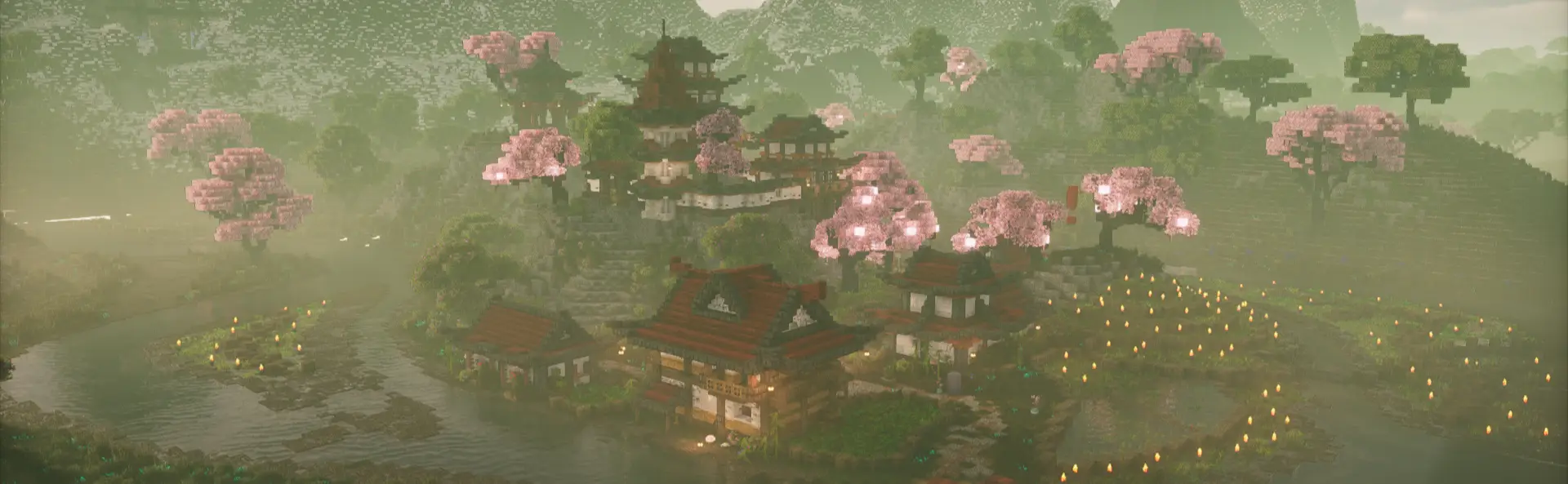
Together, they established the settlement of Shinryoku (新緑), a place meant to symbolize their rebirth as a people and their bountiful harvests moving forward. They vowed to promote the importance of harmony and respect within themselves and the universe, creating a culture where self-expression is only often seen through the controlled medium of art, theater, and literature.
𝐂𝐡𝐚𝐫𝐚𝐜𝐭𝐞𝐫 𝐂𝐫𝐞𝐚𝐭𝐢𝐨𝐧
Naming Conventions | ||
Seishin surnames are traditionally in front of their given name when written and introduced. As a sign of respect, many will also be referred to by their surnames, but with those they are familiar with, their given name may be used. Some Seishin lack surnames entirely, but this is for rare subgroups. | ||
Male | Female | Unisex / Ambiguous |
|
|
|
Backgrounds | |
Seishin find themselves in roles that are often connected to the idea of transience and impermanence, eager to work with the changing state of the world. When the final blooms come to close and the glint of iron rusts away, the Seishin will be there to repair and renew its former beauty, even if it will never quite be the same again. | |
Common Life Paths | Typical Traits |
|
|
These are merely common archetypes observed among their people; players are free to depart from them and portray a character uniquely their own. | |
𝐀𝐧𝐜𝐞𝐬𝐭𝐫𝐚𝐥 𝐕𝐚𝐫𝐢𝐞𝐭𝐲
Ancestry | Presence | Attitude |
|---|---|---|
Common | Accepting | |
Common | Accepting | |
Rare | Accepting | |
Uncommon | Skeptical | |
Common | Accepting | |
Rare | Skeptical | |
Common | Accepting | |
Common | Accepting | |
Rare | Accepting |
𝐅𝐚𝐢𝐭𝐡 & 𝐖𝐨𝐫𝐥𝐝𝐯𝐢𝐞𝐰 (𝐒𝐮𝐦𝐦𝐚𝐫𝐲)
Reidо̄ is simultaneously an animistic and non-theistic religion mainly revolving around the existence of supernatural entities known as kami (神), believing to inhabit everyday things from the outside environment to objects. Although they are referred to as gods or spirits outside of the Kougo language, this definition does not fully line up, as they are not revered in the same way as deities of other religions.
Instead, Reidо̄ is treated as a passive truth of the world, where the respect of the natural world, and by extension the spirit world, is promoted regardless of specific religious belief.
Additionally, Reidо̄ believes in the ideas of reincarnation and karma, finding great importance in meditation and self-discipline as a means
𝐏𝐨𝐥𝐢𝐭𝐢𝐜𝐬 & 𝐅𝐨𝐫𝐞𝐢𝐠𝐧 𝐑𝐞𝐥𝐚𝐭𝐢𝐨𝐧𝐬 (𝐒𝐮𝐦𝐦𝐚𝐫𝐲)
The Sekkan refers to both the system of government and the combination of the titles Kampaku (関白), the formal ruler and head of military, and Sesshō (摂政), a regent serving under the Kampaku.
Together with the Three Heavenly Clans, composed of the families of the most influential figures during the Erai-tsuihō, as the appointed ministers of the state, this creates a centralized bureaucratic monarchy focused on thoroughness, maintaining harmony, and controlling communication between the state and other foreign powers.
Culture | Perception |
|---|---|
Khánids | As their newly-settled neighbors to the north, the Mokhenor are wary of the Seishin and vice versa. While there are light tensions to be felt across the river that splits them, they are mostly neutral towards each other. |
Kerinyans | While the Kerinyans' inquisitive nature is thought to be prestigious by the Seishin, they also find the Kerinyans to be overly frugal and immovable. This causes slight skepticism, despite the cordial relations the Seishin hold with them. |
Sarnevalians | Being their greatest allies during the events of the Great Exile, the Seishin have a very high opinion of the Sarnevalians and view them as close cousins. They are also the only people they are willing to aid during times of conflict. |
Vayshnavans | Contact with the Vayshnavans has been consistent throughout the Seishin's known history, having been one of the greatest influencers of their religious practices. With this, great respect is maintained. |
𝐐𝐮𝐢𝐜𝐤 𝐑𝐞𝐟𝐞𝐫𝐞𝐧𝐜𝐞
Common Greeting: Yo, Ohayou, Konnichiwa, Konbanwa
Common Farewell: Jaa ne, Gokigenyou
Dress: Hemp, linen, and silk-made fabrics with vibrant patterning depicting varying elements of nature.
Body Art: Tattoos are often used artistically and spiritually in a similar manner as clothing or warding seals.
Architecture: Minimalistic, slightly elevated wood-based structures with tiled or thatched roofs.
Cuisine: Simple, natural, and presentable.
Symbols: Cherry blossoms, jade, dragons, yin and yang, ear of rice
For full historical, religious, and cultural detail, see Expanded Canon.