𝐈. 𝐍𝐚𝐦𝐞𝐬, 𝐋𝐚𝐧𝐠𝐮𝐚𝐠𝐞, 𝐚𝐧𝐝 𝐈𝐝𝐞𝐧𝐭𝐢𝐭𝐲
𝐄𝐧𝐝𝐨𝐧𝐲𝐦𝐬 & 𝐄𝐱𝐨𝐧𝐲𝐦𝐬
Kerinya
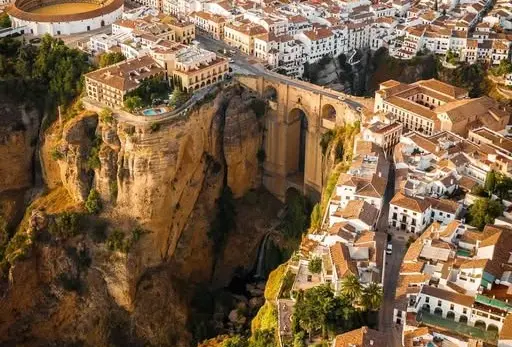
Haluvesan word derived from the Albesian word "kerni," which denotes rising or ascending, declined in the Rahali locative case using the "(e)nya" suffix. This manner of more transparent fusion of Albesian and Rahali is more common in Haluvesan neologisms. This idea of "rising land" is not uncommon, even among unrelated languages, given the sharp elevation increase from the coast to the hilly terrain that defines Nefra ka Haluvesa. Even the poetic Albesian term for the region, "kerumnon" meant "vaunted" or "heavens' seat."
𝐋𝐚𝐧𝐠𝐮𝐚𝐠𝐞
Haluvesan
A creole formed from Albesian and Rahali. Creolization happened early along the borderlands between what was once Albeseon Vela and Nefra ka Ayat. This process became more intentional upon the establishment of the Twin Crowns, as the Kerinyan identity was instilled within major population centers. The language was standardized, with Albesian and Rahali loans being loaned and transliterated more consistently into the language in recent decades.
Albesian
The language of the Albesa, descendants of Selkotai colonists that established themselves in the region over two millennia ago. It is still spoken in remote villages in the Kerinyan highlands, and Classical Albesian still serves a function in Law, but it is no longer spoken in any of the major Haluvesan settlements.
Rahali
The language of the Rahali, a nomadic group native to the shrublands and deserts East beyond the Galis mountains. It is still heavily spoken within the Ertośha—the desert that encompasses much of Eastern and Northeastern Eriat—and much of its lexicon persists unchanged among military terminology within the Tamur.