
𝐈𝐗. 𝐇𝐢𝐬𝐭𝐨𝐫𝐲
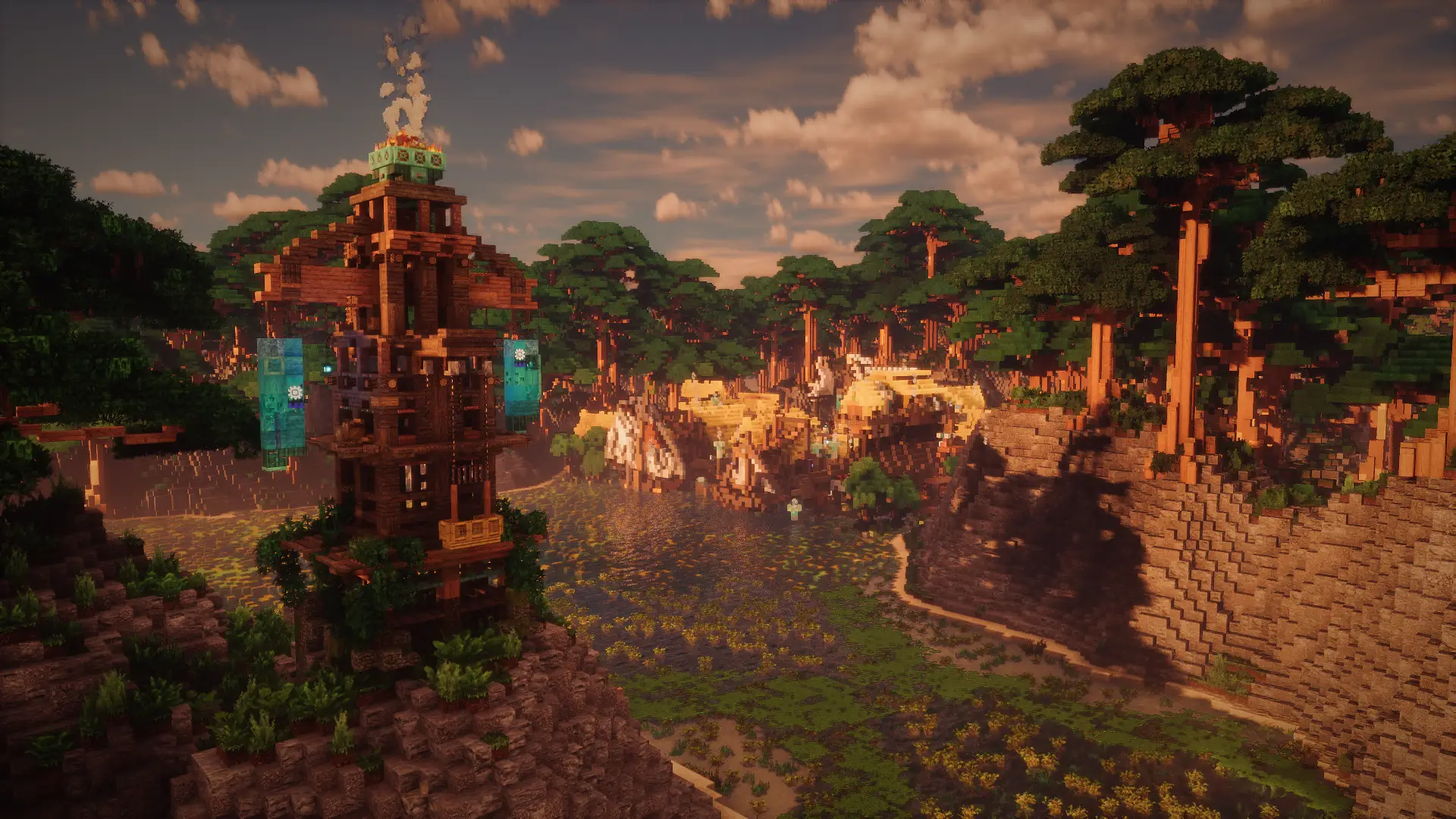
The Nevalo region was a lush subtropical haven on the continent of Esternia, bordered by Tianzhou to the west, Kalmeros to the east, and the Frigid territories to the north. Its dense forests, rugged mountains, and wetlands historically impeded settlement and military campaigns, though merchant routes ran through the valleys.
A small group of Selkotes settlers founded a trading community along these routes, gradually expanding into a crowded settlement consisting of a melting pot of different peoples from neighboring lands. Tunnels to the southern coast were dug to accommodate growth, eventually giving rise to the formal city of Xantho Empori.
Xantho Empori flourished as an independent hub of trade and culture, its quartzite and limestone walls, towering markets, and colorful docks attracted travelers and merchants from across Esternia. Craftsmen shared techniques, exotic goods flowed through its ports, and the city thrived as a beacon of prosperity.
As the city developed, the sea became both a trade route and a source of mystery. It was during a particularly violent monsoon that a sailor claimed salvation by an enormous divine serpentine being from the depths. His story inspired visions among other sailors and shipbuilders, forming the roots of a new faith. This being would go on to be known as the Tidemother Saranae, and miracles attributed to her; storms parting, ships spared, illnesses healed, led to the construction of shrines and the rise of the Tidecallers, who guided both worship and daily life.
Nevalians adopted cleansing rituals, engraved spiral sigils on vessels, and embraced fluid social roles: women captained fleets, men served as priests, and all honored her balance of mercy and fury. Faith became inseparable from identity, shaping culture, commerce, and maritime life.
However, tensions rose when the Tian Empire sought expansion, seeking Nevalo as a contested prize they could take for their own and keep from the other neighboring lands. Armies marched, forests burned, rivers ran red, and Xantho Empori faced war. Its people, resourceful and united, constructed a massive floating city, the Ark Nevalion and fled seaward as Nevalo was plunged into the Cinderfall War, carrying not only their city's people but everyone else they could find along the way. Taking with them their culture and faith.
After wandering for twenty centuries at sea, Saranaë faded from daily life; miracles ceased, shrines weathered, and faith became more like tradition. The Ark sailed through countless waters, absorbing new settlers and blending tongues into Sarnic, a creole born of necessity and trade. In this long silence, some believed themselves still carried within her current, while others feared they had drifted beyond her notice.
In the long centuries of exile aboard the Ark Nevalion, Saranaë’s miracles grew faint. Some still felt her presence carrying them, their prayers answered in quiet ways; these came to be called Arvorien, “those held in the water.” Others feared they had slipped beyond her notice, finding no response when they prayed or sought her protection. They named themselves, in hushed tones, Arvorles, “those loosed from the water.”
The divide was never formal, nor marked by exile. Arvorien and Arvorles lived side by side, indistinguishable at a glance. Only the Arvorles themselves knew when the tide no longer answered, and most concealed it out of shame. When revealed, companions often tried to restore them to balance; without such ties, they drifted into shunning or outlaw life.
It was until a storm arose unlike anything they've seen, that Saranaë returned, manifesting as a colossal, serpentine figure whose hundredfold arms stilled the furious seas. She carved the ark a path through the fog to a new archipelago, where they settled and rebuilt, transforming the Ark’s remnants into the city of Nevalion. They dissipated throughout the islands to establish more cities, and despite brutal rivalries over trade that led to many civil wars, they remained bound by faith and shared history.
Unfortunately, the Tianren later returned and conquered the islands, exploiting the people's lack of unity for centuries. Yet hope arrived with the Seishin, who shared their desire for freedom. United, the islands rose in rebellion, overthrowing their oppressors.
In honor of their past and the Tidemother, they named their nation Sarnevalia.
From there, ambition carried them westward, with the Harbor Lord Utari founding Port Ramu on Nimoria. The first Nevalian settlers chose a secluded cove on a small island as their home, while their Seishin and Vayshnavan brethren ventured further inland. At first, the native Xevalians and Mokhenor regarded them with caution, wary of foreign ambitions. But trade soon opened between the settlements; Nevalian glass and dyes for Xevalian hardwood and Mokhenor iron, and for a time, coexistence flourished.
Then came the Withering Plague, a mysterious illness that spread swiftly along trade routes, decimating populations across every nation of the region. Panic and suspicion followed; ports closed, faiths fractured, and diplomacy faltered. It took the city years to rebuild, but eventually they regained their foothold.