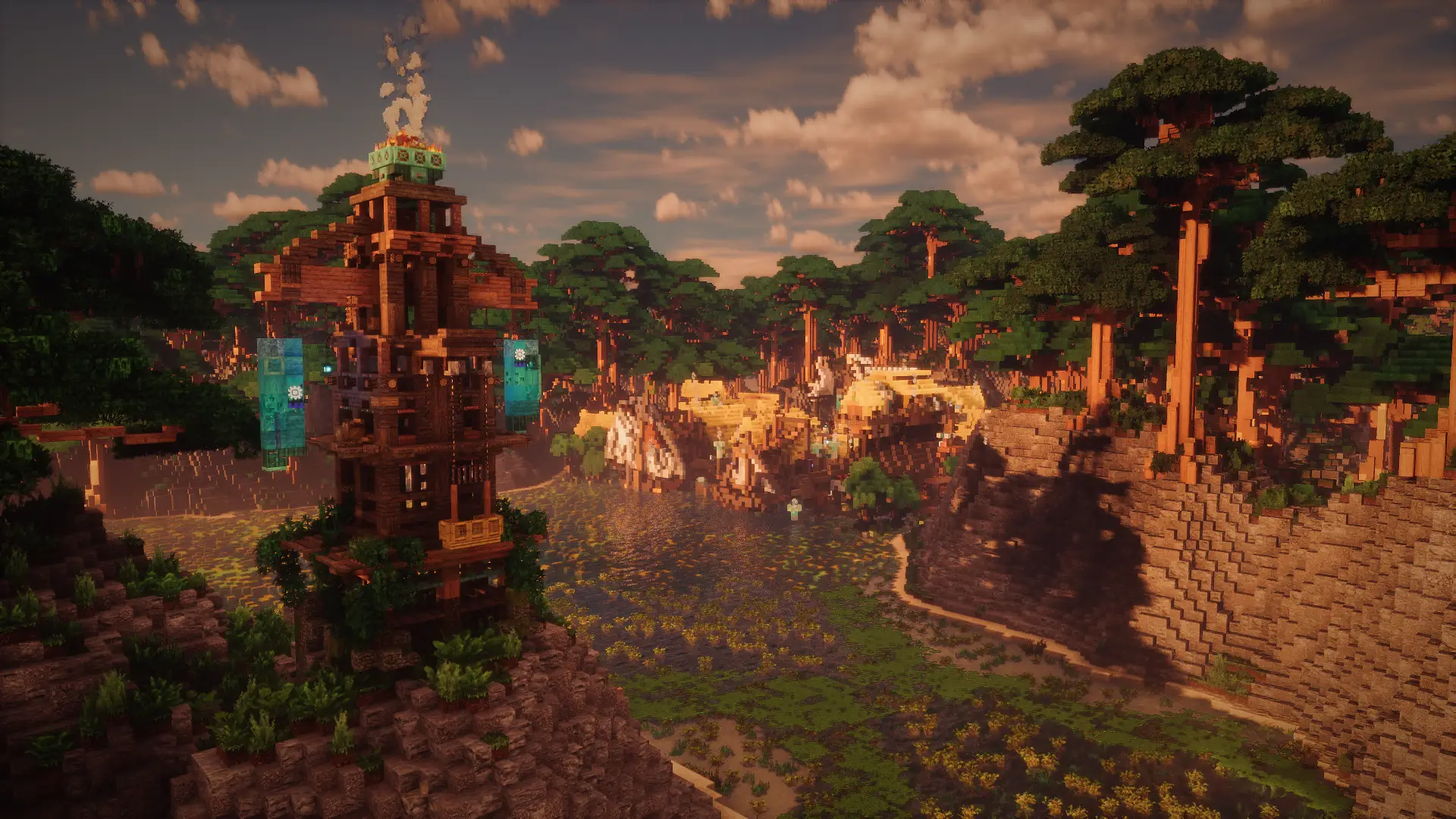

Quick Navigation
𝐈. 𝐍𝐚𝐦𝐞𝐬, 𝐋𝐚𝐧𝐠𝐮𝐚𝐠𝐞, 𝐚𝐧𝐝 𝐈𝐝𝐞𝐧𝐭𝐢𝐭𝐲
𝐄𝐧𝐝𝐨𝐧𝐲𝐦𝐬 & 𝐄𝐱𝐨𝐧𝐲𝐦𝐬
Sarnëvali (ᜐᜀᬭᬦᬏᮗᜀᬮᜁ) (plural) / Sarnëval (ᜐᜀᬭᬦᜁ᭝ᜀᬮ) (singular)
meaning “people of Saranaë and Nevalo,” trace their name to the Tidemother goddess Saranaë, who saved their people, and to Nevalo, their lost homeland of origin.
Ramuan
The residents of Port Ramu sometimes call themselves Ramuan, though rarely.
Haihua (海华) – “sea-born” or “drifting flower”
A Tianren term, poetic yet often dismissive.Sorajin (空人) – “people of the sky and sea”
A Seishin name, reflecting the Sarnevalians’ nomadic and maritime roots.Sarnies
A playful shorthand moniker given to them by the Dustwalkers, whom they conversely refer to as "Dusties".Sarnevalians / Driftlanders
A neutral descriptor in Middletongue used broadly by outsiders.Arvorien - The Moored
Arvorles - The Unmoored
Trivia
The original name for the nation during the server lore ideation phase was “Sarnavaria,” a portmanteau of the Sanskrit words śaraṇa (शरण), meaning “refuge,” “shelter,” or “protection,” and vāri (वारि), which primarily refers to water, especially flowing water or a liquid. Together, they mean “refuge of water.”
It was later altered to incorporate the Latin word nāvālis (“pertaining to ships”), derived from nāvis (“ship”) to also act as a reference to its Selkian roots, as well as the Samoan word ‘Alia (pronounced ah-lee-ah) which is a traditional double-hulled sailing canoe or catamaran. With this change, the second a was replaced with an e for stylistic purposes, resulting in the name Sarnevalia.
Their goddess Saranae's name however has remained the same since the early conceptualization of the culture in December 2024.
𝐓𝐫𝐢𝐛𝐞𝐬
Before unification, the Nevalian descended peoples were organized into broad cultural tribes defined by environment and livelihood rather than bloodline. Each tribe inhabited a set of islands on one of the four quadrants of the archipelago that consisted of multiple families and lineages or "clans".
Tribes overlapped, traded, and intermarried, but developed distinct customs and labor roles. As populations expanded, territorial disputes escalated into recurring civil wars as well as conflict with the native populations (particularly Floren, Therianids and Anden), weakening the archipelago and leading to its colonization by the Empire of Tianzhou, which ruled for roughly 500 years.
When Sarnevalia was liberated and unified, tribal identities were not erased; instead, their practices were absorbed into a shared culture, and previously forcibly taken land was returned to their respective owners, as the entire Archipelago was now considered the nation of Sarnevalia, though cultural assimilation was not mandated after the decree. Port Ramu today in particular is the best example of this cultural merging, with most folks being synonymous upon first glance, but in reality, are divided by tribes according to occupational heritage.
The Gunumaukani (Mountain Tribe)
Gunung (Indonesian, “mountain”) + Mauka (Hawaiian, “toward the mountain”) + -ni
Builders, metalworkers, pass guards, and weather watchers; focused on fortifications and highland travel.
The Gunumaukani inhabited the highlands, cliffs, and volcanic ridges of some of the southwestern isles near Veduah, favoring defensible sites and long sightlines. Through sustained contact with neighboring dwarves, they adopted advanced masonry and metallurgy earlier than other tribes. They specialized in stonework, metalcraft, mining, pass-keeping, and weather observation. They were the first tribe contacted by the Seishin to organize a formal rebellion against Tianren rule, helping provide the tribes with an arsenal against the occupation. After unification, their traditions shaped Sarnevalian fortifications, armaments, and the practice of delaying travel or warfare based on weather conditions.
The Narimbahele (Forest Tribe)
Rimba (Indonesian, “jungle”) + Nahele (Hawaiian, “forest”) → -hele
Farmers, grovekeepers, herbalists, and water tenders; responsible for land use and seasonal cycles.
The Narimbahele lived in a handful of the forested interiors and fertile lowlands of the southeastern isles, organizing society around seasonal cycles and land stewardship. They pioneered agriculture, irrigation, and shrine tending, with authority centered on caretakers rather than rulers. Their customs became the foundation of Sarnevalian farming practices, seasonal festivals, and grove-shrine traditions.
People who are descended from this tribe are often Farmers, environmental stewards, healers, and planners; focused on agriculture, conservation, water management, and community care.
The Dagakaiu (Ocean Tribe)
Dagat (Filipino, “sea”) + Kai (Hawaiian, “sea”)
Sailors, navigators, traders, and fishers; centered on seafaring, trade routes, and long travel.
The Dagakaiu were primarily sea-bound, living aboard ships, underwater settlements, or temporary anchorages, and valuing crew loyalty over territory. Though mobile, they made a few of the northwestern isles their home which consisted of islets that allowed for easy ship travel in between. They excelled in navigation, exploration, and long-distance trade. Sarnevalian maritime law, navigation schools, and sailor customs derive largely from Dagakaiu tradition.
The Bayinmakaino (Coastal Tribe)
Baybayin (Filipino, “shore”) → Yin + Makai (Hawaiian, “toward the sea”) + -no
Port workers, merchants, clerks, and negotiators; managing trade, records, and movement between regions.
The Bayinmakaino occupied the coasts, reefs, and ports of the northeastern isles, which also house the capital city of Nevalion, being the most predominantly Sarnevalian island group in its entirety. Acting as intermediaries between all other tribes, they specialized in trade, negotiation, and resources, and were widely relied upon by all tribes despite persistent distrust. Their influence persists in Sarnevalian trade law, port culture, and the ritual language of debt and return. The Ramu Clan originates from this tribe, recognized for its role in establishing the colonial city of Port Ramu in Nimoria.
𝐋𝐚𝐧𝐠𝐮𝐚𝐠𝐞
Sarnevalians speak Sarnic, a creole language formed through long contact between traders, migrants, and seafarers. Its structure is largely derived from Old Nevalic (A Selkian daughter language), with additional vocabulary and phonetic influence from Tianrenese, Seishinese, Kalmerosian, Maelstravic, and other eastern tongues.
Everyday Sarnic favors clear, practical constructions suited to trade and communal use, while ceremonial or poetic forms preserve older elements from its mixed origins. Phonetically, the language tends toward open syllables and softened consonants.
Notable influences include:
Selkian: shared root vocabulary
Tianrenese / Seishinese: softer sibilants and tonal variation, often in formal or ritual speech
Kalmerosian: repetitive rhythms and open vowel groupings
Maelstravian: maritime terminology and denser consonant clusters in nautical contexts
Others: regional loanwords and idioms
𝐖𝐫𝐢𝐭𝐢𝐧𝐠 𝐒𝐲𝐬𝐭𝐞𝐦
Common | Sarnicscript | Real Life Equivalent |
|---|---|---|
A | ᜀ | Baybayin A |
B | ᬩ | Balinese Ba |
C | ᮎ | Sundanese C |
D | ᬤ | Balinese Da |
E | ᬏ | Balinese E |
F | ᮖ | Sundanese F |
G | ᬕ | Balinese Ga |
H | ᬳ | Balinese Ha |
I | ᜁ | Baybayin I |
J | ᮏ | Sundanese Ja |
K | ᜃ | Baybayin Ka |
L | ᬮ | Balinese La |
M | ᬫ | Balinese Ma |
N | ᬦ | Balinese Na |
O | ᬒ | Balinese O |
P | ᜉ | Baybayin Pa |
Q | ᬔ | Balinese Ka Mahaprana |
R | ᬭ | Balinese Ra |
S | ᜐ | Baybayin Sa |
T | ᬢ | Balinese Ta |
U | ᜂ | Baybayin U |
V | ᮗ | Sundanese Va |
W | ᬯ | Balinese Wa |
X | ᬱ | Balinese Sa Sapa |
Y | ᬬ | Balinese Ya |
Z | ᮐ | Sundanese Za |
𝐂𝐨𝐦𝐦𝐨𝐧 𝐕𝐨𝐜𝐚𝐛𝐮𝐥𝐚𝐫𝐲
Common | Sarnic | Notes / Etymology |
Greetings & Farewells | ||
Hello | Meriavén | A common greeting accompanied by a slight bow. |
Good Morning | Mersolei | A warm greeting for the start of the day. |
Welcome | Merdeiva | Inviting someone into a space or gathering. |
Goodbye | Merdinhe | Means “go safely.” Often accompanied by a nod or hand gesture. |
Good Night | Merloone | A farewell wishing peaceful rest. |
Affirmation & Courtesy | ||
Yes | Hai | A short, affirmative reply. |
No | Teada | Direct and firm negation. |
Thank you | Asanti | Conveys gratitude, often used in both casual and ceremonial contexts. |
Please | Mercieum | A formal request phrase meaning “if it pleases you.” |
Core Nouns | ||
Water | Arvor | Central to Sarnevalian life; “Arvor” is used for both water and sea. |
Ship | Navio | A key term in maritime trade; the word has softened over time. |
Market | Emporiome | A bustling hub of trade and social exchange. |
Trade | Handekalen | Can be used as both a noun and a verb (“to do business”). |
Clan/Family | Familien | Connotes extended family or lineage bound by tradition and trade. |
Friend | Ahen | Denotes both personal friendship and allied kinship. |
Storm | Badashio | Often used in poetry to refer to turmoil or conflict as well as weather phenomena. |
Home (abstract) | Cavalion | Driven from the name of their lost city, now a metaphor for belonging and communal identity. |
Captain (Leader) | Princinuno | Title for those in command; ship captains, guild leaders, or community heads. |
Additional Verbs & Concepts | ||
To See / Look | Tarenhana | A basic verb for noticing or observing. |
To Build | Pandai | Indicates construction or assembly, especially in shipbuilding. |
To Trade | Ontulai | Can function as “to exchange” in everyday commerce. |
To Sail | Navigo | Means “to sail” or “to journey on the water.” |
To Pray | Hanaye | Used in religious contexts, e.g., “Hanaye Saranaë” means “pray to the Tidemother.” |
Abstract Concepts & Emotions | ||
Friendship | Ahenya | Connotes a deep bond or alliance among individuals. |
Love | Amorro | Represents deep affection, both romantic and familial. |
Myth & Nature | ||
God/Goddess | Naoë/Naë | Used to denote deities or divine forces. |
Dragon | Drekiyulong | Legendary beasts as old as time |
Harbor/Port | Portus | Denotes a safe haven or sanctuary in both literal and metaphorical terms. |
𝐄𝐱𝐚𝐦𝐩𝐥𝐞 𝐂𝐨𝐧𝐯𝐞𝐫𝐬𝐚𝐭𝐢𝐨𝐧
Sarnic | Middletongue |
|---|---|
A: ᬫᬏᬭᜁᜀᮗÉᬦ, ᜀᬳᬏᬦ! ᬏᬫᜀ ᬢᬒ ᮖᜀᬫᜁᬮᜁᬏᬦ ᜐᜀ? (Meriavén, ahen! Ema to familien sa?) | A: Hello, Friend! How is your family? |
B: ᬫᬏᬭᜁᜀᮗÉᬦ, ᜀᬳᬏᬦ. ᬫᜁ ᮖᜀᬫᜁᬮᜁᬏᬦ ᜐᜀ ᬩᬒᬦᬒ. ᜀᜐᜀᬦᬢᜁ. ᬏᬫᜀ ᬢᬒ ᬳᜀᬦᬤᬏᜃᜀᬮᬏᬦ, ᬤᜁᬏᜐᬒ? (Meriavén, ahen. Mi familien sa bono. Asanti. Ema to handekalen, dieso?) | B: Hello, Friend. My family is well. Thank you. How is your trade, today? |
A: ᜉᜁᮎᬳᬒ ᬳᜀᬦᬤᬏᜃᜀᬮᬏᬦ, ᜉᜁᮎᬳᬒ ᬒᬦᬢᜂᬮᜀᜁ. ᬮᬒ ᬦᜀᮗᜁᬒ ᬦᜀᮗᜁᬕᬒ, ᬩᬒᬦᬒ. (Picho Handekalen, picho ontulai. Lo navio navigo, bono.) | A: Little trade, little exchange. The ship sails, well. |
B: ᬩᬒᬦᬒ. ᬢᜀᬭᬏᬦᬳᜀᬦᜀ ᬮᬒ ᜀᬭᮗᬒᬭ. ᬮᬒ ᜀᬭᮗᬒᬭ ᜐᜀ ᮎᜀᬮᬫᬒ. (Bono. Tarenhana lo arvor. Lo arvor sa calmo.) | B: Good. Look at the sea/water. The sea/water is calm. |
A: ᬳᜀᜁ. ᬫᬏᬭᮎᜁᬏᜂᬫ, ᬳᜀᬦᜀᬬᬏ ᜐᜀᬭᜀᬦᜀË. ᬢᬏᜀᬤᜀ ᬩᜀᬤᜀᜐᬳᜁᬒ ᮗᬏᜁᬭᜀ. (Hai. Mercieum, Hanaye Saranaë. Teada Badashio veira.) | A: Yes. Please, pray to the Tidemother. No storm comes. |
B: ᬳᜀᬦᜀᬬᬏ ᬦᜀË. ᬢᬒ ᮎᜀᮗᜀᬮᜁᬒᬦ ᜐᜀ ᜐᬏᬫᜉᬭᬏ ᬩᬒᬦᬒ. ᬫᬏᬭᬤᜁᬦᬳᬏ! (Hanaye Naë. To Cavalion sa sempre bono. Merdinhe!) | B: Pray to the Goddess. Your home/belonging is always well. Go safely! |
A: ᬫᬏᬭᬤᜁᬦᬳᬏ. (Merdinhe.) | A: Go safely. |