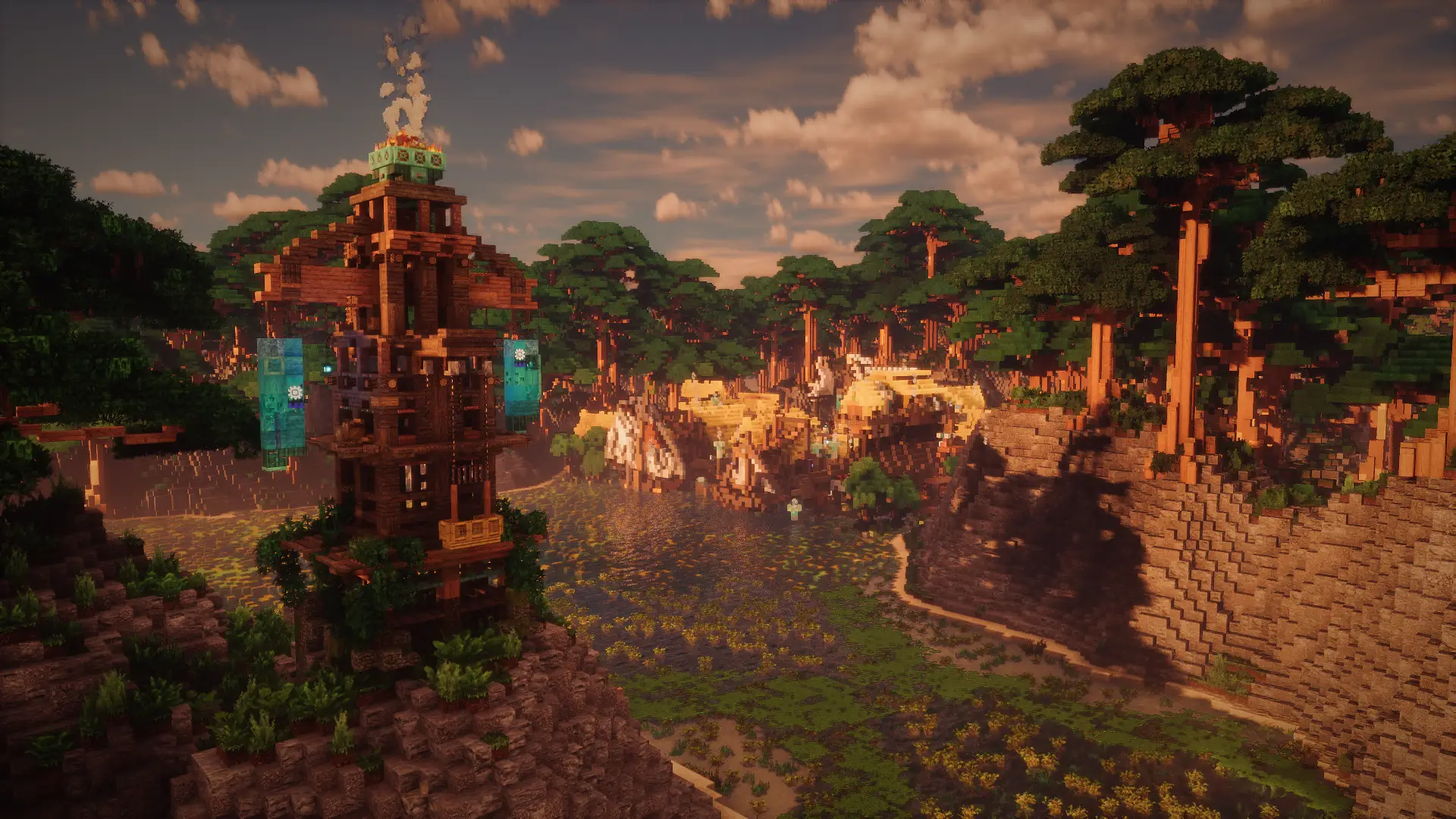

❝ Easy folk ta drink with, very hard to fool. Best not ta betray their kindness.
Sarnevalians remember both favors and debts. ❞— Olekhan Covalenco, Dustwalker mercenary
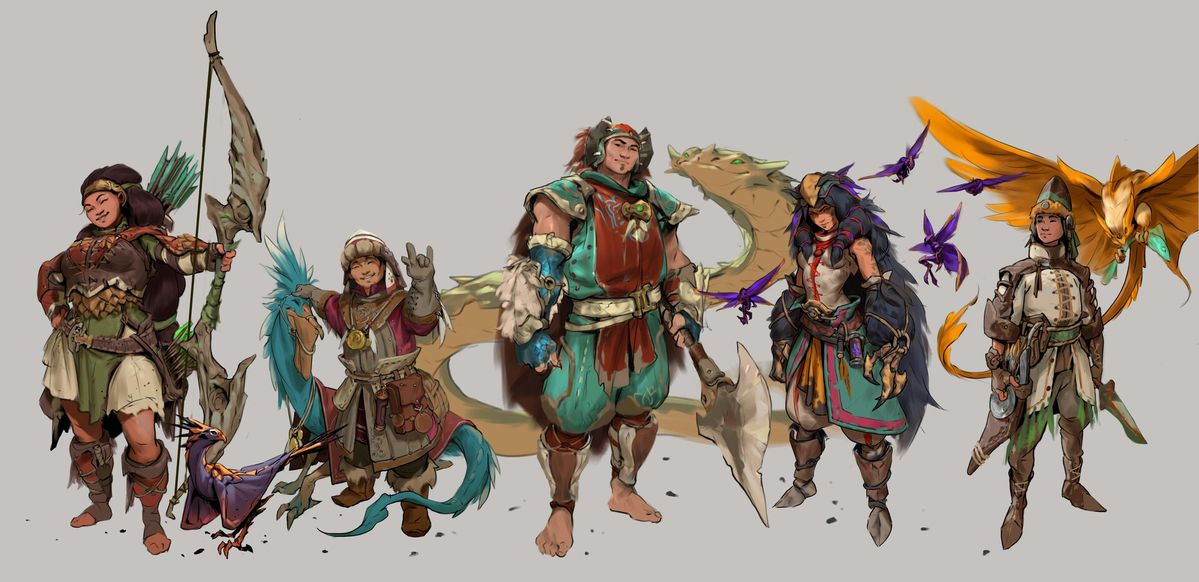
Placeholder image, art by Mads Ahm ArtStation - Game IP
The Sarnevalians are a seafaring people shaped by long periods of displacement, trade, and cultural exchange. Their origins trace back to the merchant city of Xantho Empori in Nevalo, destroyed during the Cinderfall War. In its aftermath, survivors lived for generations aboard the Ark Nevalion before eventually settling the islands now known as the Sarnevalian Archipelago.
Maritime labor, negotiation, and ritual structure daily life, with devotion to the Tidemother Saranaë providing a shared spiritual framework. Formed from many migrating peoples, Sarnevalian society places limited weight on ancestry alone; belonging is more often earned through participation, obligation, and adherence to custom.
Sarnevalians speak of two currents of belonging: the Moored and the Unmoored.
The Moored (Arvorien)
Those still carried within Saranaë’s current. To be Moored is to remain in harmony: debts honored, kindness returned, obligations kept, and balance preserved. Even the quiet or solitary may be Moored, for Saranaë watches over all who do not betray the rhythm of the world. Belonging is not about being seen, but about not breaking trust.
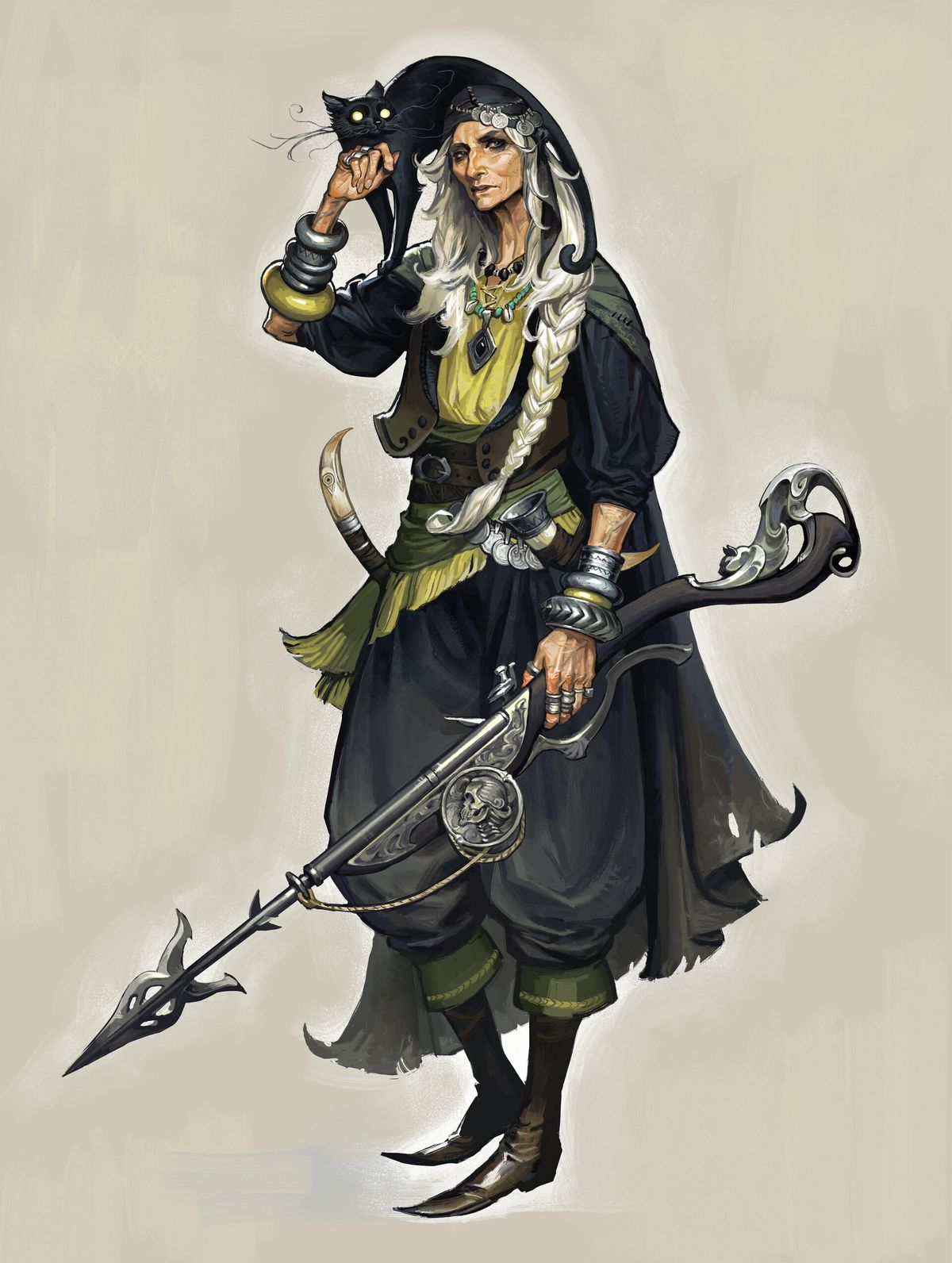
placeholder image
The Unmoored (Arvorles)
Those who have slipped beyond Saranaë’s notice. This comes not from solitude, but from imbalance, crime, betrayal, or repeated neglect of obligation. The Unmoored are not punished but ignored; prayers go unanswered, protection fades, and opportunities pass them by. Only they know when the current no longer responds, and most conceal it out of shame. If discovered, trusted companions may try to restore them; without such ties, they drift into shunning or outlaw life.
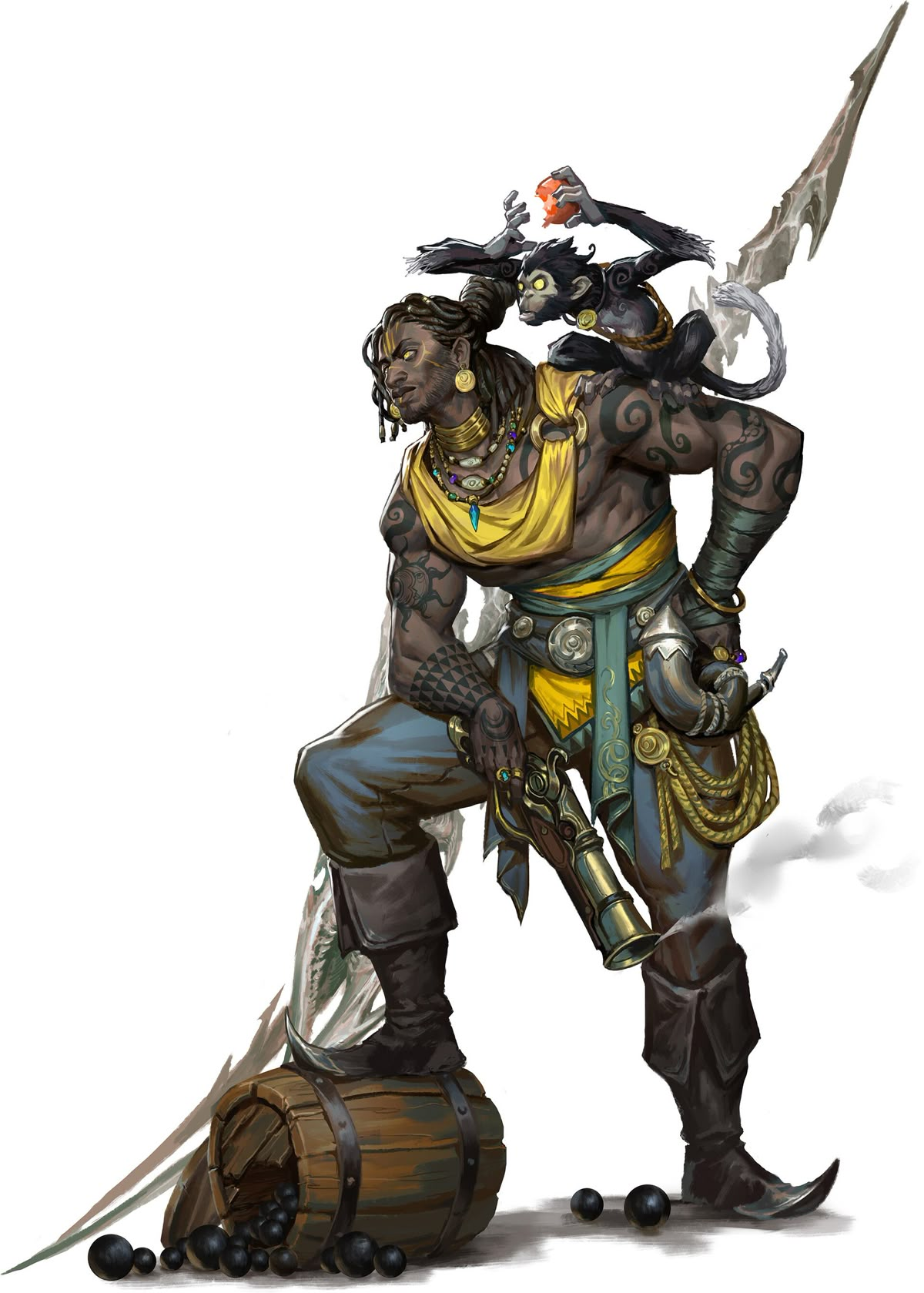
placeholder image
In the present era, Sarnevalia functions as a significant maritime trade state, maintaining routes and outposts beyond its home waters, especially the colonial port of Port Ramu in Nimoria.
𝐂𝐡𝐚𝐫𝐚𝐜𝐭𝐞𝐫 𝐂𝐫𝐞𝐚𝐭𝐢𝐨𝐧
Naming Conventions | ||
Male | Female | Unisex / Ambiguous |
|
|
|
Backgrounds | |
Sarnevalians are commonly found in roles that involve travel, negotiation, or the movement of goods and information. In matters of magic, faith, and foreign custom, outcomes tend to matter more than orthodoxy; practices are weighed by their effect on balance and communal stability rather than adherence to doctrine. | |
Common Life Paths | |
Moored
| Unmoored
|
Typical Traits | |
Moored
| Unmoored
|
These are merely common archetypes observed among their people; players are free to depart from them and portray a character uniquely their own. | |
𝐀𝐧𝐜𝐞𝐬𝐭𝐫𝐚𝐥 𝐕𝐚𝐫𝐢𝐞𝐭𝐲
Ancestry | Presence | Attitude |
|---|---|---|
Kalment (Humans) | Very Common | Accepting |
Eituhel (Elves) | Common | Accepting |
Anden (Dwarves) | Very Common | Accepting |
Héroska (Orcs) | Uncommon | Accepting |
Claduhan (Goblins) | Common | Accepting |
Istania (Tieflings) | Common | Accepting |
Floren (Halflings) | Very Common | Accepting |
Therianids (Beastfolk) | Very Common | Accepting |
Vistora (Myconids) | Rare | Skeptical |
𝐇𝐨𝐦𝐞𝐥𝐚𝐧𝐝 𝐚𝐭 𝐚 𝐆𝐥𝐚𝐧𝐜𝐞
The Sarnevalian Archipelago sits within the ocean known as the Meridian Deep, near the junction of the eastern and western hemispheres. Its islands span tropical and subtropical climates, shaped by monsoon cycles, shifting tides, and coastal landforms long associated with Saranaë.
Port Ramu, located on Nimoria’s northwest coast, functions as Sarnevalia’s westernmost outpost. While its customs remain recognizably Sarnevalian, prolonged distance from the archipelago alongside contact with neighboring cultures has produced a distinct, hybrid character.
Seasons
Tidebloom (Wet Season): heavy rains, rough seas, heightened risk
Whispwind (Dry Season): steadier weather, trade traffic, seasonal gatherings
𝐅𝐚𝐢𝐭𝐡 & 𝐖𝐨𝐫𝐥𝐝𝐯𝐢𝐞𝐰 (𝐒𝐮𝐦𝐦𝐚𝐫𝐲)
Most Sarnevalians follow Arvorism (“Water’s Grace”), a henotheistic tradition centered on Saranaë. The sea is treated as both a source of livelihood and a force of consequence, and life is commonly described in terms of currents, crossings, and balance rather than mastery.
Ancestors are acknowledged as guides, and everyday routines often include minor rites of cleansing or thanks, practiced more as habit than ceremony.
𝐏𝐨𝐥𝐢𝐭𝐢𝐜𝐬 & 𝐃𝐢𝐩𝐥𝐨𝐦𝐚𝐜𝐲
Sarnevalia is governed by the Council of Tides, a theocratic republic balancing commerce, faith, and maritime security.
Culture | Perception |
|---|---|
Seishin | Sarnevalians hold the Seishin in high regard, treating them with warmth and camaraderie. The two share strong cultural and maritime ties, often seen as cousin nations bonded by mutual respect and trade. |
Khánids | Relations are relatively calm and civil, diplomatic exchanges are measured, and though trade persists, trust remains fragile. |
Kerinya | Relations with Kerinya are limited and largely pragmatic, the two nations maintain formal diplomacy and trade. |
Selkotai | Deep respect is reserved for the Selkotai, regarded as one of Sarnevalia’s ancestral influences. Their customs and spiritual traditions continue to shape Sarnevalian heritage and tradition. |
Vayshnavans | Relations with the Vayshnavan are largely neutral. As another cousin culture, the two share faint ancestral links, though their interactions rarely go beyond occasional trade or cultural exchange. |
𝐐𝐮𝐢𝐜𝐤 𝐑𝐞𝐟𝐞𝐫𝐞𝐧𝐜𝐞
Common Greeting: Meriavén
Common Farewell: Merdinhe (“Go safely”)
Dress: lightweight fabrics, coastal/bucolic indigenous materials, oceanic colors, layered sashes
Body Art: tattoos (vekarim) marking life achievements
Architecture: stilted homes, shipwood structures, pearl inlays
Cuisine: seafood, crimson rice, fermented fruits, honey-dairy
Symbols: spiral wave, pearls, open palm of the ocean
For full historical, religious, and cultural detail, see Expanded Canon.